Dynas

Hip Hop
Contemporary Hip Hop
Boom Bap
 Viberate Rank: 468425
 Viberate Rank: 468425
 Monthly ListenersFollowers
 Subscribers
 Followers
 Followers
 FansTop Spotify Songs
| Track | 7-Day Streams | |
|---|---|---|
1 | 64 | |
2 | 64 | |
3 | 47 | |
4 | 47 | |
5 | 40 |
Top YouTube Videos| Video | 7-Day Views | |
|---|---|---|
1 | 18 | |
2 | 7 | |
3 | 3 | |
4 | 1 | |
5 | 1 |
Monthly ListenersFeatured in Playlists| Playlist | Followers | |
|---|---|---|
1 |  Rap Us. Pitch-Us | 15.94K |
2 |  City Nights 🌙 90s Style Hip Hop Chill Select | 7.68K |
3 |  DILLA TIME LISTENING GUIDE DILLA TIME | 6.89K |
4 |  Night Check - Underground Hip Hop Vlad Dobrescu | 6.21K |
5 |  Samples + Originals Forever a Jam | 5.50K |
Audience| City | Monthly Listeners | |
|---|---|---|
1 |  | 18 |
2 |  | 12 |
3 |  | 10 |
4 |  | 9 |
5 | | 8 |
See full performance history, audience data, playlist activity, rankings, comparisons, and more in Viberate music analytics. Start with a free trial, then continue with a paid plan.
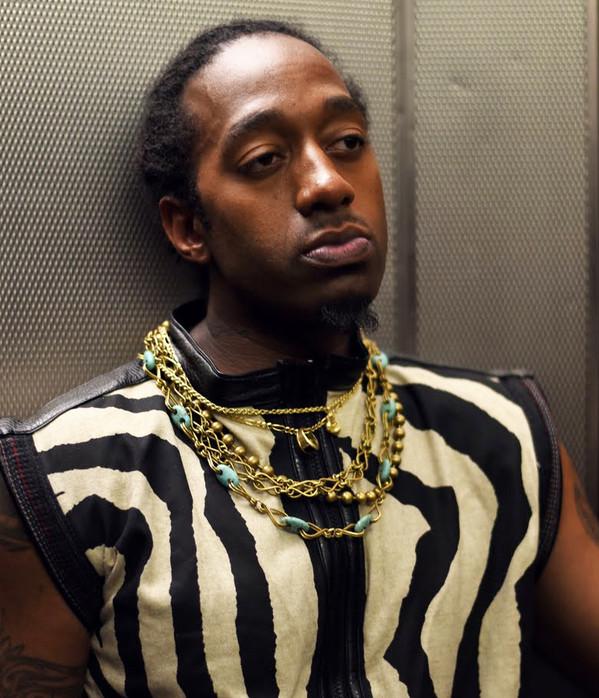
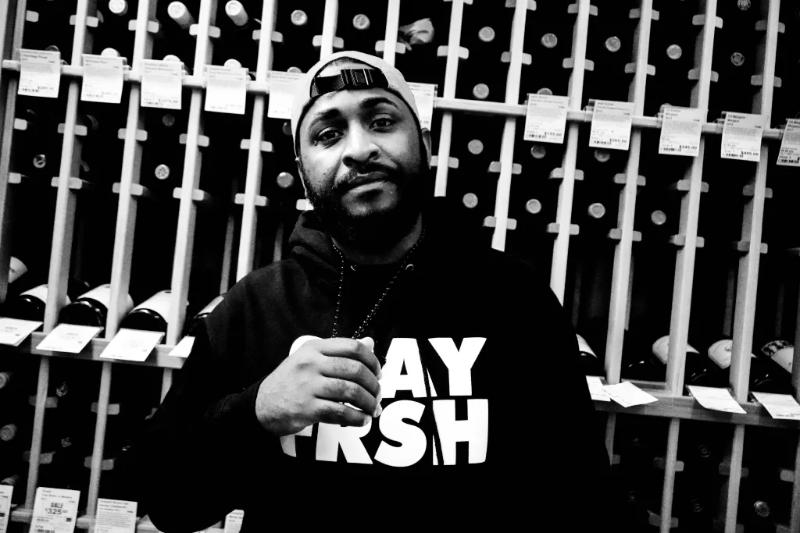
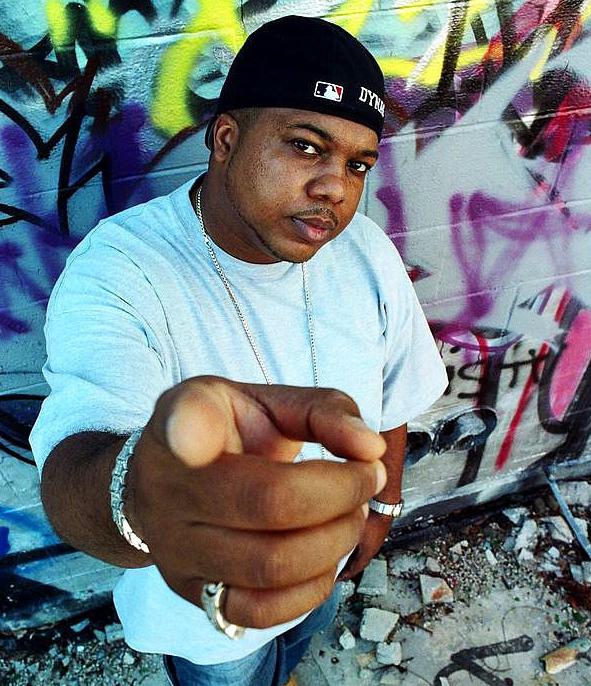
Dynas’ Spotify BioOriginally from Queens, NY, Caribbean-influenced rapper Dynas (b. Anthony Theodore) transplanted to the Miami area in 1995 when still a teen. An earnest competitor, he immediately thrust himself into the local MC battle scene in South Florida. Before his recording career even got off the ground, major label RCA showed interest in the battle rapper; however, Dynas wasn't willing to conform his music and image to RCA's liking. So, of course, a deal never panned out, but as a direct product of brushing shoulders with many industry reps, DJ Spinna began tapping Dynas for collaborations on the DJ's small Beyond Real imprint. Dynas also recorded a few 12"s for the label, including "Spittin'" b/w "Miami" (2002) and the Masta Ace-guested "Game Huntin'" (2004). Founding his own imprint, Bad Gramma, Dynas finally generated buzz with the 12" EP Blame Game, the title track of which was produced by Little Brother sensation 9th Wonder. As Dynas' imprint began to see success, he landed many other… distribution deals for his recordings and expanded his underground catalog. The Nikki 12" (2007) was cut for ABB Records; the digital LP Me, Myself, & Rhymes (2007) was recorded for Rawkus; and the proper full-length The Apartment (2008), which featured DJ Jazzy Jeff, Little Brother, and Jay Dee, was issued on the U.K.-based BBE. ~ Cyril Cordor, Rovi
Viberate is a music analytics platform built for A&Rs, artist managers, labels, booking agents, marketers, and artists.
It helps music professionals track artist growth, analyze audience data, monitor playlist activity, compare artists, follow song performance, and identify opportunities across the music market.
Public artist pages provide a free preview of selected artist data. Paid plans provide access to deeper analytics, historical data, charts, comparisons, playlist tools, exports, alerts, reports, and additional professional features.
Yes. Public Viberate artist pages provide selected artist analytics and music data for free.
Viberate also offers a 7-day free trial of the full platform. A credit card is required to start the trial. The trial includes access to the complete product so users can test deeper artist analytics, historical views, playlist insights, comparisons, charts, exports, alerts, and reporting features before choosing a paid plan.
Viberate provides artist analytics across streaming, playlists, social media, video, radio airplay, songs, and audience markets.
Users can analyze Spotify performance, Spotify and Apple Music playlists, YouTube activity, TikTok and Instagram growth, radio spins, song performance, audience locations, demographics, rankings, and overall artist momentum.
Artist profiles also connect to music charts, similar artists, and comparison tools, helping users benchmark performance and evaluate artists in context.
Viberate updates key artist and track data daily.
For followed artists and tracks, selected data is refreshed multiple times per day. This helps teams monitor playlist changes, streaming movement, audience growth, releases, and campaign performance with more current data.
Update frequency can vary depending on the metric and data source.
Yes. Viberate lets users compare up to five artists side by side across streaming, social media, audience, and engagement metrics.
Users can compare fanbase growth, audience demographics, locations, Spotify performance, social metrics, and other artist data over selected time periods.
Artist comparison can be used for A&R scouting, benchmarking, booking decisions, campaign planning, and evaluating artists with similar audiences or market positions.