Dwayne Ford

Classical
Classical Crossover
Pop Rock
 Viberate Rank: 220738
 Viberate Rank: 220738
 Monthly ListenersFollowers
 Subscribers
 Followers
 Followers
 FansTop Spotify Songs
| Track | 7-Day Streams | |
|---|---|---|
1 | 15.36K | |
2 | 1.96K | |
3 | 176 | |
4 | 108 | |
5 | 103 |
Top YouTube VideosMonthly ListenersFeatured in Playlists| Playlist | Followers | |
|---|---|---|
1 |  Yacht Rock Spotify | 1.85M |
2 |  YACHT ROCK | TOP 100 SONGS Filtr US | 242.00K |
3 |  Dear Anthony: Questlove's Defense Of Yacht Rock, Smooth Soul & Dentist Office Pop Ahmir Khalib Thompson | 78.25K |
4 |  Epic Motivational Powerful Music - Motivation Songs, Cinematic Orchestral Buildups - 2026 Playlist Demfire Creation | 30.82K |
5 |  YACHT ROCK - CERTIFIED PLAYLIST jdryznar | 15.94K |
Audience| City | Monthly Listeners | |
|---|---|---|
1 | | 558 |
2 | | 537 |
3 | | 460 |
4 | | 413 |
5 |  | 412 |
See full performance history, audience data, playlist activity, rankings, comparisons, and more in Viberate music analytics. Start with a free trial, then continue with a paid plan.
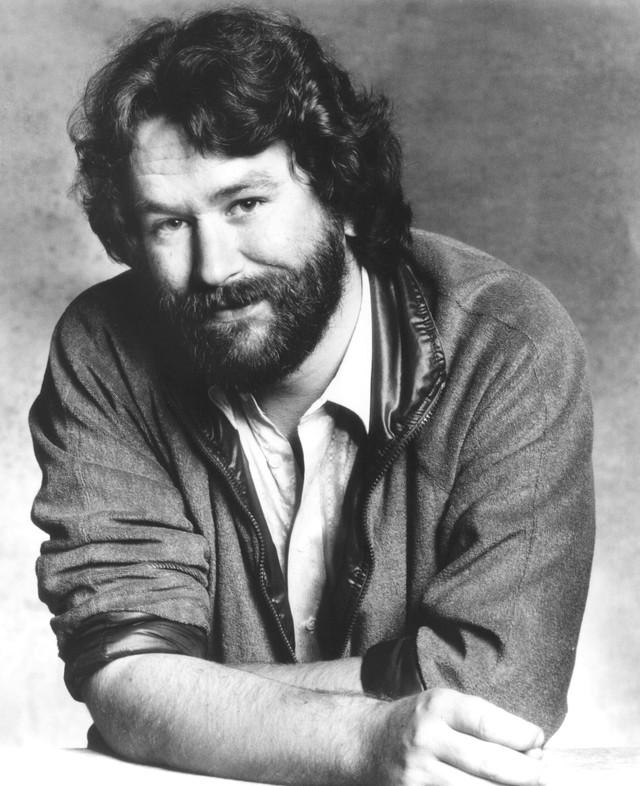
Dwayne Ford’s Spotify BioDwayne Ford began his professional music career in the early '70s working with the Nomads. His next group was formed with bassist Terry Danko, guitarists Jim Atkinson and Hugh Brockie, and drummer Brian Hilton. They simply called the collaboration Atkinson, Danko and Ford. It was with the latter that Ford recorded for the first time. There were other groups over the years and some notable solo work. Along the way, Ford, a guitarist, singer, drummer, and keyboardist, also became a popular session player.
A Canadian native, Ford was raised in Edmonton. He was little more than a teenager when he hit the road as a musician, working in a band for Ronnie Hawkins. Ford polished his musical skills while performing at clubs and concerts around Canada. Throughout the '70s he recorded a number of albums, including Friends With Bearfoot, Passing Time, and a self-titled group effort titled. He finished out the decade and started a new one working solo on two albums, Another Way to Fly and Needless… Freaking. He also completed a number of solo singles, such as "Everlasting Love," "Roll Me Away," "Stranger in Paradise," "Hurricane," and "We'll Find a Way." ~ Charlotte Dillon
Viberate is a music analytics platform built for A&Rs, artist managers, labels, booking agents, marketers, and artists.
It helps music professionals track artist growth, analyze audience data, monitor playlist activity, compare artists, follow song performance, and identify opportunities across the music market.
Public artist pages provide a free preview of selected artist data. Paid plans provide access to deeper analytics, historical data, charts, comparisons, playlist tools, exports, alerts, reports, and additional professional features.
Yes. Public Viberate artist pages provide selected artist analytics and music data for free.
Viberate also offers a 7-day free trial of the full platform. A credit card is required to start the trial. The trial includes access to the complete product so users can test deeper artist analytics, historical views, playlist insights, comparisons, charts, exports, alerts, and reporting features before choosing a paid plan.
Viberate provides artist analytics across streaming, playlists, social media, video, radio airplay, songs, and audience markets.
Users can analyze Spotify performance, Spotify and Apple Music playlists, YouTube activity, TikTok and Instagram growth, radio spins, song performance, audience locations, demographics, rankings, and overall artist momentum.
Artist profiles also connect to music charts, similar artists, and comparison tools, helping users benchmark performance and evaluate artists in context.
Viberate updates key artist and track data daily.
For followed artists and tracks, selected data is refreshed multiple times per day. This helps teams monitor playlist changes, streaming movement, audience growth, releases, and campaign performance with more current data.
Update frequency can vary depending on the metric and data source.
Yes. Viberate lets users compare up to five artists side by side across streaming, social media, audience, and engagement metrics.
Users can compare fanbase growth, audience demographics, locations, Spotify performance, social metrics, and other artist data over selected time periods.
Artist comparison can be used for A&R scouting, benchmarking, booking decisions, campaign planning, and evaluating artists with similar audiences or market positions.