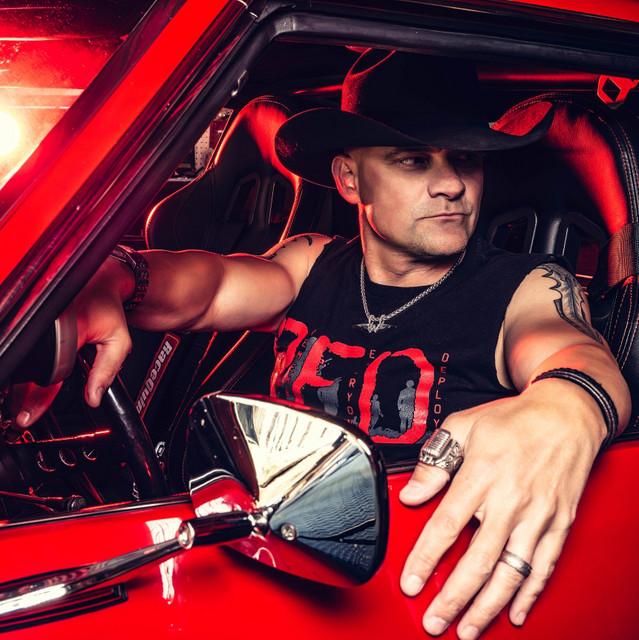
Dustin Collins

Country
Americana/Alt Country
Contemporary Country
 Viberate Rank: 272496
 Viberate Rank: 272496
 Monthly ListenersFollowers
 Subscribers
 Followers
 Followers
 FansTop Spotify Songs
| Track | 7-Day Streams | |
|---|---|---|
1 | 1.06K | |
2 | 241 | |
3 | 151 | |
4 | 127 | |
5 | 91 |
Top YouTube VideosMonthly ListenersFeatured in Playlists| Playlist | Followers | |
|---|---|---|
1 | Today’s Country 2026 trosser6258 | 101.90K |
2 |  New Country 2026 Travis James | 82.66K |
3 |  Rednecks, Hillbillies & Moonshine Hillbilly🤠 | 10.57K |
4 |  GermanRednecks German Rednecks | 9.01K |
5 | Country Hits 2021-2023 Xstream Playlists | 8.53K |
Audience| City | Monthly Listeners | |
|---|---|---|
1 | | 92 |
2 | | 92 |
3 | | 91 |
4 | | 86 |
5 | | 85 |
See full performance history, audience data, playlist activity, rankings, comparisons, and more in Viberate music analytics. Start with a free trial, then continue with a paid plan.
Dustin Collins’ Spotify BioCold Dead Hands," Dustin Collins' 2017 breakthrough hit, was a defiant pro-Second Amendment anthem, suggesting the Kentucky-based country singer was a bit of a rebel. In fact, Collins grew up in a musical household, one where his father played with his uncle in an actively recording group, and his straight-ahead country music certainly shows a debt to tradition while also incorporating sly modern elements, such as a fondness for the smooth, murmuring electronic rhythms of Jason Aldean and the rousing bro-country of Luke Bryan.
Born in northern Georgia but raised in Bardstown, Kentucky, Dustin Collins remembers spending time in the recording studio as a child, but he wasn't drawn to music until he was a teenager. First, he played covers of classic rock and post-grunge, but soon he was drawn to country through the music of Hank Williams, Jr.
He released the mini-album She Does in 2016. He continued to build an audience through touring, including an opening position on Aaron Watson's… Vaquero tour.
Collins first cracked the national country charts when "Cold Dead Hands" reached number one on Billboard's Hot Single Sales Chart in March 2017. He signed with Colt Ford's Average Joe's Entertainment and didn't release another single that year, but 2018 brought "The Barn." Both songs were featured on his mini-album It's Been Awhile, which came out in August of 2018.
Viberate is a music analytics platform built for A&Rs, artist managers, labels, booking agents, marketers, and artists.
It helps music professionals track artist growth, analyze audience data, monitor playlist activity, compare artists, follow song performance, and identify opportunities across the music market.
Public artist pages provide a free preview of selected artist data. Paid plans provide access to deeper analytics, historical data, charts, comparisons, playlist tools, exports, alerts, reports, and additional professional features.
Yes. Public Viberate artist pages provide selected artist analytics and music data for free.
Viberate also offers a 7-day free trial of the full platform. A credit card is required to start the trial. The trial includes access to the complete product so users can test deeper artist analytics, historical views, playlist insights, comparisons, charts, exports, alerts, and reporting features before choosing a paid plan.
Viberate provides artist analytics across streaming, playlists, social media, video, radio airplay, songs, and audience markets.
Users can analyze Spotify performance, Spotify and Apple Music playlists, YouTube activity, TikTok and Instagram growth, radio spins, song performance, audience locations, demographics, rankings, and overall artist momentum.
Artist profiles also connect to music charts, similar artists, and comparison tools, helping users benchmark performance and evaluate artists in context.
Viberate updates key artist and track data daily.
For followed artists and tracks, selected data is refreshed multiple times per day. This helps teams monitor playlist changes, streaming movement, audience growth, releases, and campaign performance with more current data.
Update frequency can vary depending on the metric and data source.
Yes. Viberate lets users compare up to five artists side by side across streaming, social media, audience, and engagement metrics.
Users can compare fanbase growth, audience demographics, locations, Spotify performance, social metrics, and other artist data over selected time periods.
Artist comparison can be used for A&R scouting, benchmarking, booking decisions, campaign planning, and evaluating artists with similar audiences or market positions.