Dumonde

Electronic
Techno
Trance
 Viberate Rank: 116816
 Viberate Rank: 116816
 Monthly ListenersFollowers
 Subscribers
 Followers
 Followers
 FansTop Spotify Songs
| Track | 7-Day Streams | |
|---|---|---|
1 | 15.96K | |
2 | 9.79K | |
3 | 9.03K | |
4 | 8.99K | |
5 | 7.66K |
Top YouTube VideosMonthly ListenersFeatured in Playlists| Playlist | Followers | |
|---|---|---|
1 |  Trance Top 1000 | Armada Music Armada Music | 468.57K |
2 |  Armin van Buuren Presents Armin van Buuren | 382.34K |
3 |  ASOT 1305 | A State Of Trance Radio Episodes - By Armin van Buuren Armin van Buuren | 188.01K |
4 |  The Sound of Everything The Sounds of Spotify | 53.83K |
5 |  Techno Classics my.charts.music | 39.90K |
Audience| City | Monthly Listeners | |
|---|---|---|
1 | | 4.15K |
2 | | 3.65K |
3 |  | 3.16K |
4 |  | 2.94K |
5 | | 2.89K |
See full performance history, audience data, playlist activity, rankings, comparisons, and more in Viberate music analytics. Start with a free trial, then continue with a paid plan.
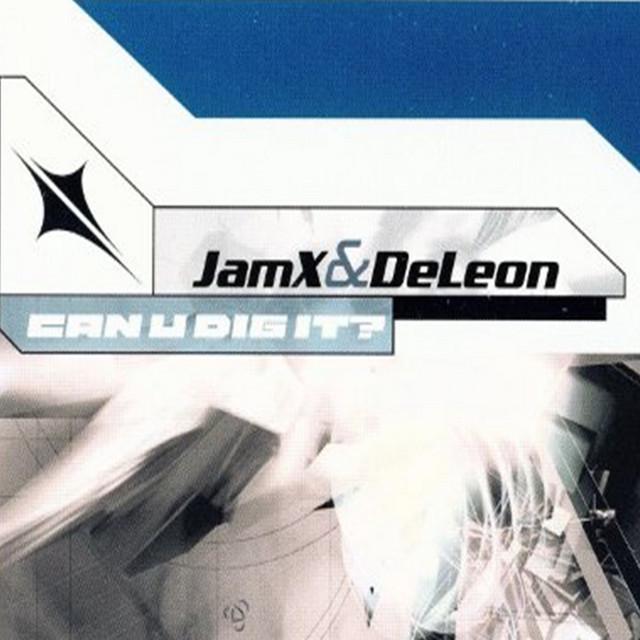
Dumonde’s Spotify BioGerman Hard Trance project DuMonde emerged in 1997 as a collaboration between René Dumont, Jürgen Mutschall, and Dominik de León. With a powerful blend of euphoric melodies and driving energy, the project quickly carved out a space in the international trance scene. Their early release Tomorrow (1998) became a breakthrough success, entering Germany’s Top Ten and appearing on numerous major label compilations worldwide. Further success followed with subsequent singles as See the Light (1999) and Just Feel Free (Tomorrow 2000).
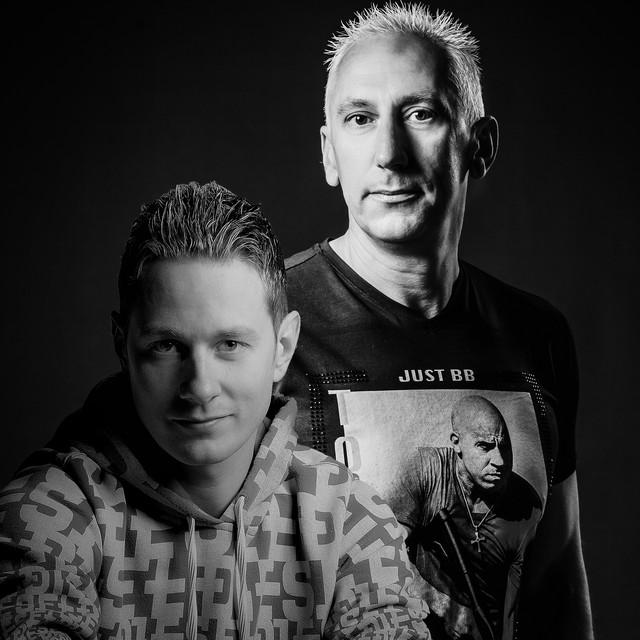
In early 2001, René Dumont left the group. DuMonde continued as a duo, releasing iconic trance tracks as Never Look Back, Memory, God Music, Human, and Ich will raus / Let me out —timeless anthems still heard in clubs today.
Their remixes for Binary Finary, Alice Deejay, Push, and Barthezz showcased their distinct sound and secured their place in the golden era of trance. Mutschall (aka JAMX) and de León (aka De Leon) became key figures in shaping the early 2000s… German trance scene.
After disbanding in 2007 to pursue solo careers, DuMonde made a surprise comeback in 2024 with Sometimes. Now led by founding member Jürgen Mutschall and joined by producer Daniel Körber (aka D.Mand), DuMonde is once again pushing trance forward—honoring their roots while embracing the future.
Viberate is a music analytics platform built for A&Rs, artist managers, labels, booking agents, marketers, and artists.
It helps music professionals track artist growth, analyze audience data, monitor playlist activity, compare artists, follow song performance, and identify opportunities across the music market.
Public artist pages provide a free preview of selected artist data. Paid plans provide access to deeper analytics, historical data, charts, comparisons, playlist tools, exports, alerts, reports, and additional professional features.
Yes. Public Viberate artist pages provide selected artist analytics and music data for free.
Viberate also offers a 7-day free trial of the full platform. A credit card is required to start the trial. The trial includes access to the complete product so users can test deeper artist analytics, historical views, playlist insights, comparisons, charts, exports, alerts, and reporting features before choosing a paid plan.
Viberate provides artist analytics across streaming, playlists, social media, video, radio airplay, songs, and audience markets.
Users can analyze Spotify performance, Spotify and Apple Music playlists, YouTube activity, TikTok and Instagram growth, radio spins, song performance, audience locations, demographics, rankings, and overall artist momentum.
Artist profiles also connect to music charts, similar artists, and comparison tools, helping users benchmark performance and evaluate artists in context.
Viberate updates key artist and track data daily.
For followed artists and tracks, selected data is refreshed multiple times per day. This helps teams monitor playlist changes, streaming movement, audience growth, releases, and campaign performance with more current data.
Update frequency can vary depending on the metric and data source.
Yes. Viberate lets users compare up to five artists side by side across streaming, social media, audience, and engagement metrics.
Users can compare fanbase growth, audience demographics, locations, Spotify performance, social metrics, and other artist data over selected time periods.
Artist comparison can be used for A&R scouting, benchmarking, booking decisions, campaign planning, and evaluating artists with similar audiences or market positions.