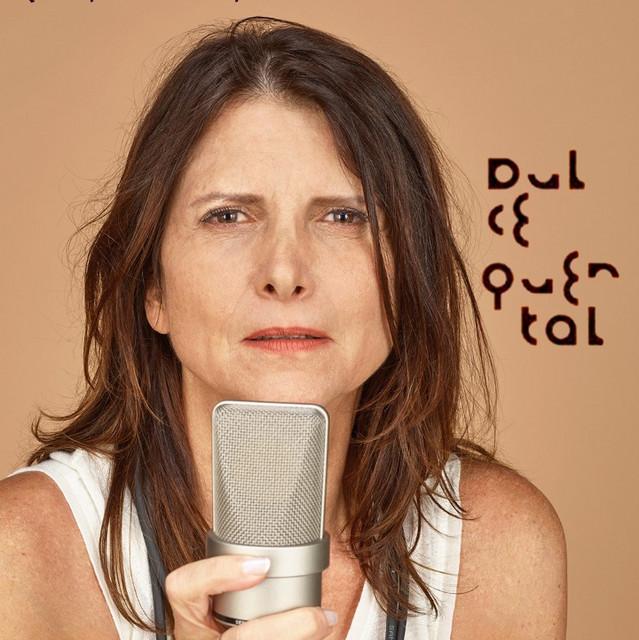
Dulce Quental

Rock
Alternative Rock
Nova MPB
 Viberate Rank: 164692
 Viberate Rank: 164692
 Monthly ListenersFollowers
 Subscribers
 Followers
 Followers
 FansTop Spotify Songs
| Track | 7-Day Streams | |
|---|---|---|
1 | 6.10K | |
2 | 1.47K | |
3 | 1.24K | |
4 | 65 | |
5 | 63 |
Top YouTube Videos| Video | 7-Day Views | |
|---|---|---|
1 | 1.35K | |
2 | 1.24K | |
3 | 69 | |
4 | 68 | |
5 | 53 |
Monthly ListenersFeatured in Playlists| Playlist | Followers | |
|---|---|---|
1 |  Anos 80 Nacionais alex_travassos | 27.05K |
2 |  Cantos Medicina - Ayahuasca Session Music SidNyah Sol | 10.20K |
3 | Flashback Nacional - Anos 80 & 90 regyidt | 7.05K |
4 | Nacionais anos 70, 80 e 90 Mario Sergio S Reis | 4.58K |
5 |  carnavalzinho. Ogeid | 3.67K |
Audience| City | Monthly Listeners | |
|---|---|---|
1 | | 4.34K |
2 | | 2.57K |
3 | | 1.53K |
4 | | 925 |
5 | | 876 |
See full performance history, audience data, playlist activity, rankings, comparisons, and more in Viberate music analytics. Start with a free trial, then continue with a paid plan.
Dulce Quental’s Spotify BioDulce Quental is a Brazilian singer and songwriter who emerged in the 80s, influenced by Brazilian rock and bossa nova. She gained prominence in 1984 with the song "Eu sou free" by the group Sempre Livre, during the BRock movement. In 1985, she began her solo career with the album "Délica," where she mixed rock, pop, jazz, and bossa nova, collaborating with musicians and artists such as João Donato and Titãs.
Her musical journey includes albums like "Voz Azul" (1986) and "Dulce Quental" (1988), and partnerships with artists such as Herbert Vianna, Itamar Assumpção, Arrigo Barnabé, Cazuza, and Frejat. In the 90s, she stood out as a lyricist, composing hits like "O Poeta Está Vivo."
After a break, Dulce returned with "Beleza Roubada" (2004) and continued to release original works, including "Música e Maresia" (2016) and the recent "Sob o Signo do Amor" (Cafezinho).
Anchored in a base of moving timbres and textures, the album is provided by the cream of the crop of avant-garde Carioca… instrumentalists, led by the multi-instrumentalist brothers Pedro Sá (bass, guitars) and Jonas Sá (keyboards, programming, synthesizers), who are also producers and arrangers, along with Dulce. DQ has a multidisciplinary artistic journey, exploring various musical styles.
Viberate is a music analytics platform built for A&Rs, artist managers, labels, booking agents, marketers, and artists.
It helps music professionals track artist growth, analyze audience data, monitor playlist activity, compare artists, follow song performance, and identify opportunities across the music market.
Public artist pages provide a free preview of selected artist data. Paid plans provide access to deeper analytics, historical data, charts, comparisons, playlist tools, exports, alerts, reports, and additional professional features.
Yes. Public Viberate artist pages provide selected artist analytics and music data for free.
Viberate also offers a 7-day free trial of the full platform. A credit card is required to start the trial. The trial includes access to the complete product so users can test deeper artist analytics, historical views, playlist insights, comparisons, charts, exports, alerts, and reporting features before choosing a paid plan.
Viberate provides artist analytics across streaming, playlists, social media, video, radio airplay, songs, and audience markets.
Users can analyze Spotify performance, Spotify and Apple Music playlists, YouTube activity, TikTok and Instagram growth, radio spins, song performance, audience locations, demographics, rankings, and overall artist momentum.
Artist profiles also connect to music charts, similar artists, and comparison tools, helping users benchmark performance and evaluate artists in context.
Viberate updates key artist and track data daily.
For followed artists and tracks, selected data is refreshed multiple times per day. This helps teams monitor playlist changes, streaming movement, audience growth, releases, and campaign performance with more current data.
Update frequency can vary depending on the metric and data source.
Yes. Viberate lets users compare up to five artists side by side across streaming, social media, audience, and engagement metrics.
Users can compare fanbase growth, audience demographics, locations, Spotify performance, social metrics, and other artist data over selected time periods.
Artist comparison can be used for A&R scouting, benchmarking, booking decisions, campaign planning, and evaluating artists with similar audiences or market positions.