Drunk Uncle

Rock
Indie Rock
 Viberate Rank: 416829
 Viberate Rank: 416829
 Monthly ListenersFollowers
 Subscribers
 Followers
 Followers
 FansTop Spotify Songs
| Track | 7-Day Streams | |
|---|---|---|
1 | 132 | |
2 | 128 | |
3 | 64 | |
4 | 46 | |
5 | 43 |
Top YouTube VideosMonthly ListenersFeatured in Playlists| Playlist | Followers | |
|---|---|---|
1 |  Math rock/midwest emo Jusu | 19.61K |
2 |  The Sound of 5th Wave Emo The Sounds of Spotify | 9.01K |
3 | Fifth Wave Emo JesseXGomez | 4.25K |
4 |  "real emo" Skillingtons | 3.12K |
5 |  midwest emo (literally everything) matheusbc | 2.12K |
Audience| City | Monthly Listeners | |
|---|---|---|
1 | | 66 |
2 | | 46 |
3 | | 28 |
4 | | 24 |
5 | | 23 |
See full performance history, audience data, playlist activity, rankings, comparisons, and more in Viberate music analytics. Start with a free trial, then continue with a paid plan.
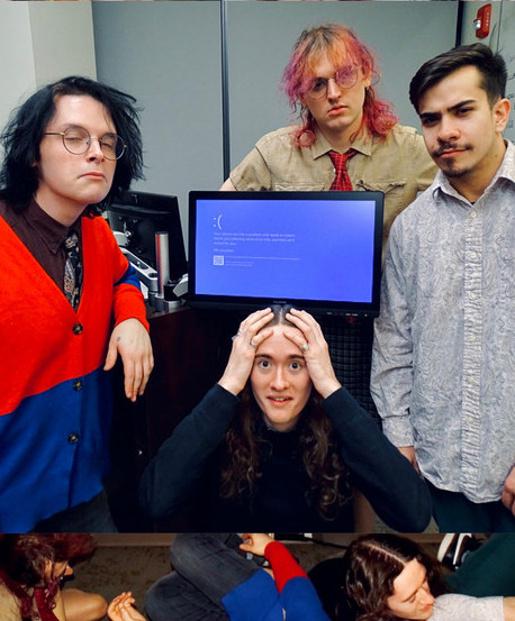
Drunk Uncle’s Spotify Bio"Drunk Uncle hails from Austin, TX, but their namesake is probably drawn from someone you know. Think about your last family gettogether—Uncle Bill is halfway through a six-pack when the alien conspiracy theories start pouring out of his mouth. He starts chaotic and loud, then gets quiet and sad as he keeps drinking. His mood will swing wildly in-between emotions. His speech is raw and his vulnerability is beautiful. Bottle that energy up into music form and you have Drunk Uncle." - Keith Latinen, CYLS Records
Drunk Uncle began in 2019 as the slacker-emo brainchild of Peyton Heinig (guitar/vox) accompanied by Will Gore (bass) after connecting at a house party. Jake Rhodes (drums) responded to a Craigslist ad by the drummerless duo and this collaborative effort became the band's first EP, Fiction Years, a lofi, scrambly freshman attempt at pushing away boredom and misery by playing as loud as humanly possible.
Shortly after, they released split, Lucky.Dizzy.Bored alongside Houston’s Breat…hwish, written and recorded during lockdown, a time of uncertainty and anxiety that was held at bay by the calming effects of hard seltzer and video games.
Summer 2020, the trio was joined by Tyler Miller (guitar/keys/vox/etc) and immediately began writing their first LP, "Look Up", an album about calling it quits, starting back up again, winning, losing, and staying sane despite the bullshit. Look Up drops March 11, 2022 on Count Your Lucky Stars (CYLS) records.
Viberate is a music analytics platform built for A&Rs, artist managers, labels, booking agents, marketers, and artists.
It helps music professionals track artist growth, analyze audience data, monitor playlist activity, compare artists, follow song performance, and identify opportunities across the music market.
Public artist pages provide a free preview of selected artist data. Paid plans provide access to deeper analytics, historical data, charts, comparisons, playlist tools, exports, alerts, reports, and additional professional features.
Yes. Public Viberate artist pages provide selected artist analytics and music data for free.
Viberate also offers a 7-day free trial of the full platform. A credit card is required to start the trial. The trial includes access to the complete product so users can test deeper artist analytics, historical views, playlist insights, comparisons, charts, exports, alerts, and reporting features before choosing a paid plan.
Viberate provides artist analytics across streaming, playlists, social media, video, radio airplay, songs, and audience markets.
Users can analyze Spotify performance, Spotify and Apple Music playlists, YouTube activity, TikTok and Instagram growth, radio spins, song performance, audience locations, demographics, rankings, and overall artist momentum.
Artist profiles also connect to music charts, similar artists, and comparison tools, helping users benchmark performance and evaluate artists in context.
Viberate updates key artist and track data daily.
For followed artists and tracks, selected data is refreshed multiple times per day. This helps teams monitor playlist changes, streaming movement, audience growth, releases, and campaign performance with more current data.
Update frequency can vary depending on the metric and data source.
Yes. Viberate lets users compare up to five artists side by side across streaming, social media, audience, and engagement metrics.
Users can compare fanbase growth, audience demographics, locations, Spotify performance, social metrics, and other artist data over selected time periods.
Artist comparison can be used for A&R scouting, benchmarking, booking decisions, campaign planning, and evaluating artists with similar audiences or market positions.