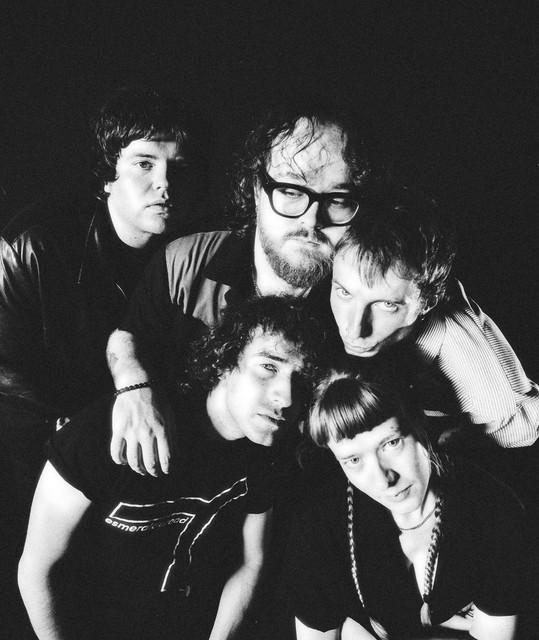
DRUMFISH

Rock
Alternative Rock
Hard Rock
 Viberate Rank: 503604
 Viberate Rank: 503604
 Monthly ListenersFollowers
 Subscribers
 Followers
 Followers
 FansTop Spotify Songs
| Track | 7-Day Streams | |
|---|---|---|
1 | 412 | |
2 | 16 | |
3 | 15 | |
4 | 12 | |
5 | 10 |
Top YouTube VideosMonthly ListenersFeatured in Playlists| Playlist | Followers | |
|---|---|---|
1 |  Editors' Picks: Best Rock & Alt Songs of 2025 Spotify | 69.27K |
2 |  Secuencia Xtrema Secuencia Xtrema | 1.40K |
3 |  Curated Rock NPS Music | 1.06K |
4 |  MoMA Museum Store Hunter W-M | 1.04K |
5 |  Thrifted William Guevara | 1.01K |
Audience| City | Monthly Listeners | |
|---|---|---|
1 | | 26 |
2 | | 20 |
3 | | 19 |
4 |  | 17 |
5 |  | 16 |
See full performance history, audience data, playlist activity, rankings, comparisons, and more in Viberate music analytics. Start with a free trial, then continue with a paid plan.
DRUMFISH’s Spotify BioJohannesburg-based four-piece Drumfish emerged in late 2020, stepping into a local scene still reeling from the effects of the pandemic. Using their influences from garage rock and noise rock, the band took little time to carve about a small space for their raw, high-volume sound. With their debut album introducing their listeners to heavy blend of fuzz-driven guitars, aggressive vocals and pure, unfiltered energy - traits that would quickly become hallmarks of their shows.
By 2025 the line-up had evolved, with Lerato Sekonya - the high energy front man of Lefokolodi - on bass guitar and Luke Beckwith of Smokey Mercle stepping in on rhythm guitar.
With a new five track EP releasing later in 2025, Drumfish enters an exciting new phase of their ever-evolving sound, while holding onto the grit and intensity that defines them.
“Drumfish is, by their own description, “just three guys making a boatload of noise.” As true as that might be, it sure downplays how fun and fantastic the noise is.… Their album, ‘Eating Dirt’, debuts June 2nd, and in anticipation ROACH decided to probe the band on the process of its creation, both personally and materially.” - Article by ROACH
Viberate is a music analytics platform built for A&Rs, artist managers, labels, booking agents, marketers, and artists.
It helps music professionals track artist growth, analyze audience data, monitor playlist activity, compare artists, follow song performance, and identify opportunities across the music market.
Public artist pages provide a free preview of selected artist data. Paid plans provide access to deeper analytics, historical data, charts, comparisons, playlist tools, exports, alerts, reports, and additional professional features.
Yes. Public Viberate artist pages provide selected artist analytics and music data for free.
Viberate also offers a 7-day free trial of the full platform. A credit card is required to start the trial. The trial includes access to the complete product so users can test deeper artist analytics, historical views, playlist insights, comparisons, charts, exports, alerts, and reporting features before choosing a paid plan.
Viberate provides artist analytics across streaming, playlists, social media, video, radio airplay, songs, and audience markets.
Users can analyze Spotify performance, Spotify and Apple Music playlists, YouTube activity, TikTok and Instagram growth, radio spins, song performance, audience locations, demographics, rankings, and overall artist momentum.
Artist profiles also connect to music charts, similar artists, and comparison tools, helping users benchmark performance and evaluate artists in context.
Viberate updates key artist and track data daily.
For followed artists and tracks, selected data is refreshed multiple times per day. This helps teams monitor playlist changes, streaming movement, audience growth, releases, and campaign performance with more current data.
Update frequency can vary depending on the metric and data source.
Yes. Viberate lets users compare up to five artists side by side across streaming, social media, audience, and engagement metrics.
Users can compare fanbase growth, audience demographics, locations, Spotify performance, social metrics, and other artist data over selected time periods.
Artist comparison can be used for A&R scouting, benchmarking, booking decisions, campaign planning, and evaluating artists with similar audiences or market positions.