Drowningman

Metal
Alternative Metal
Metalcore/Deathcore
Indie Rock
 Viberate Rank: 378764
 Viberate Rank: 378764
 Monthly ListenersFollowers
 Subscribers
 Followers
 Followers
 FansTop Spotify Songs
| Track | 7-Day Streams | |
|---|---|---|
1 | 101 | |
2 | 66 | |
3 | 56 | |
4 | 48 | |
5 | 46 |
Top YouTube VideosMonthly ListenersFeatured in Playlists| Playlist | Followers | |
|---|---|---|
1 | 2nd Wave Emo & Post-Hardcore Pop Distro | 5.54K |
2 |  The Sound of Mathcore The Sounds of Spotify | 5.13K |
3 |  2022 Hardcore Releases No Echo | 2.29K |
4 |  What's Inspiring LP5 Touché Amoré | 1.91K |
5 |  Amped: Freestyle Snowboarding Soundtrack David Alton | 1.19K |
Audience| City | Monthly Listeners | |
|---|---|---|
1 | | 26 |
2 | | 20 |
3 | | 18 |
4 | | 17 |
5 | | 12 |
See full performance history, audience data, playlist activity, rankings, comparisons, and more in Viberate music analytics. Start with a free trial, then continue with a paid plan.
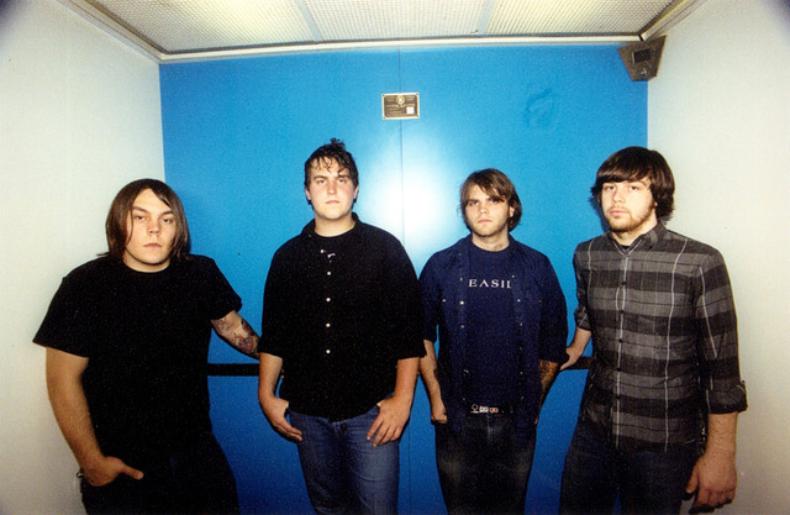
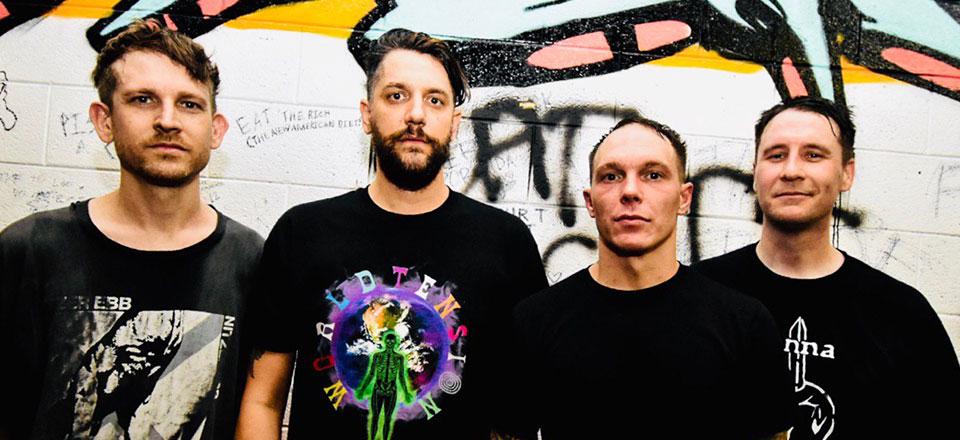
Drowningman’s Spotify BioNot easily pigeonholed, Drowningman's blisteringly intense sound combines elements of heavy metal, modern hardcore, grinding noise, math rock, and emo (in both its melodic and progressive, Dischord-esque forms). The band was formed in the unlikely college town of Burlington, VT; its members included vocalist Simon Brody, guitarists Javin Leonard and Matt Roy, bassist Dave Barnett, and drummer Joe Villemaire. Drowningman debuted in 1997 with a 7" single, "Weighted and Weighed Down," on Boston-based Hydra Head Records; the same label issued their debut LP, Busy Signal at the Suicide Hotline, in 1998. The album caused a stir in the metalcore underground, which only increased when the group switched to the Revelation label and issued the EP How They Light Cigarettes in Prison in 2000. Drowningman's second full-length, Rock and Roll Killing Machine, followed later that year to enthusiastic reviews, expanding their cult following. The band toured extensively in 2001, and released an EP… through Equal Vision called Drowningman Still Loves You. But the lineup wasn't solid, and Drowningman started to drift. However, by 2004 Brody had reconnected with early member Denny Donovan, and with the aid of other area musicians hit restart on Drowningman. A rarities collection appeared in 2004, and Don't Push Us When We're Hot appeared from Thorp in autumn 2005. ~ Steve Huey, Rovi
Viberate is a music analytics platform built for A&Rs, artist managers, labels, booking agents, marketers, and artists.
It helps music professionals track artist growth, analyze audience data, monitor playlist activity, compare artists, follow song performance, and identify opportunities across the music market.
Public artist pages provide a free preview of selected artist data. Paid plans provide access to deeper analytics, historical data, charts, comparisons, playlist tools, exports, alerts, reports, and additional professional features.
Yes. Public Viberate artist pages provide selected artist analytics and music data for free.
Viberate also offers a 7-day free trial of the full platform. A credit card is required to start the trial. The trial includes access to the complete product so users can test deeper artist analytics, historical views, playlist insights, comparisons, charts, exports, alerts, and reporting features before choosing a paid plan.
Viberate provides artist analytics across streaming, playlists, social media, video, radio airplay, songs, and audience markets.
Users can analyze Spotify performance, Spotify and Apple Music playlists, YouTube activity, TikTok and Instagram growth, radio spins, song performance, audience locations, demographics, rankings, and overall artist momentum.
Artist profiles also connect to music charts, similar artists, and comparison tools, helping users benchmark performance and evaluate artists in context.
Viberate updates key artist and track data daily.
For followed artists and tracks, selected data is refreshed multiple times per day. This helps teams monitor playlist changes, streaming movement, audience growth, releases, and campaign performance with more current data.
Update frequency can vary depending on the metric and data source.
Yes. Viberate lets users compare up to five artists side by side across streaming, social media, audience, and engagement metrics.
Users can compare fanbase growth, audience demographics, locations, Spotify performance, social metrics, and other artist data over selected time periods.
Artist comparison can be used for A&R scouting, benchmarking, booking decisions, campaign planning, and evaluating artists with similar audiences or market positions.