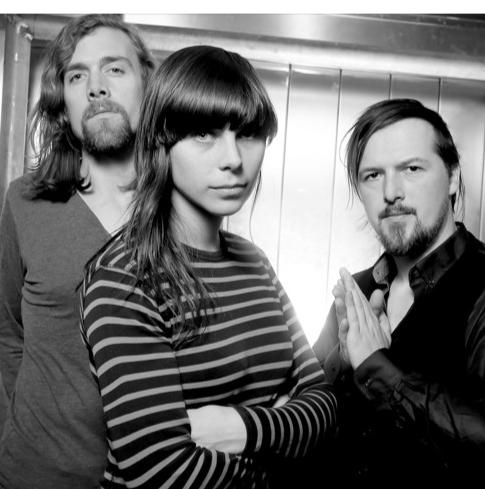
Drive Like Maria

Rock
Alternative Rock
Indie Rock
 Viberate Rank: 373601
 Viberate Rank: 373601
 Monthly ListenersFollowers
 Subscribers
 Followers
 Followers
 FansTop Spotify Songs
| Track | 7-Day Streams | |
|---|---|---|
1 | 182 | |
2 | 136 | |
3 | 85 | |
4 | 50 | |
5 | 36 |
Top YouTube VideosMonthly ListenersFeatured in Playlists| Playlist | Followers | |
|---|---|---|
1 |  Best Audiophile songs to test speakers and headphones juriaan van der zwan | 4.25K |
2 | rbb radio eins playlist carl_berg | 3.26K |
3 |  Belpop Bonanza Erik Spikmans | 2.55K |
4 | 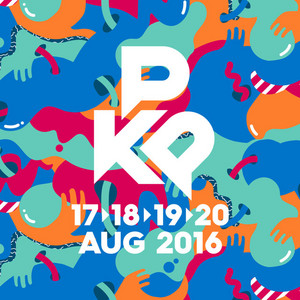 Pukkelpop 2016 - Official Playlist Pukkelpop | 2.09K |
5 |  3voor12 #HELEOUDEMUZIEK 3voor12 | 1.64K |
Audience| City | Monthly Listeners | |
|---|---|---|
1 |  | 93 |
2 |  | 30 |
3 | | 27 |
4 | | 26 |
5 | | 22 |
See full performance history, audience data, playlist activity, rankings, comparisons, and more in Viberate music analytics. Start with a free trial, then continue with a paid plan.
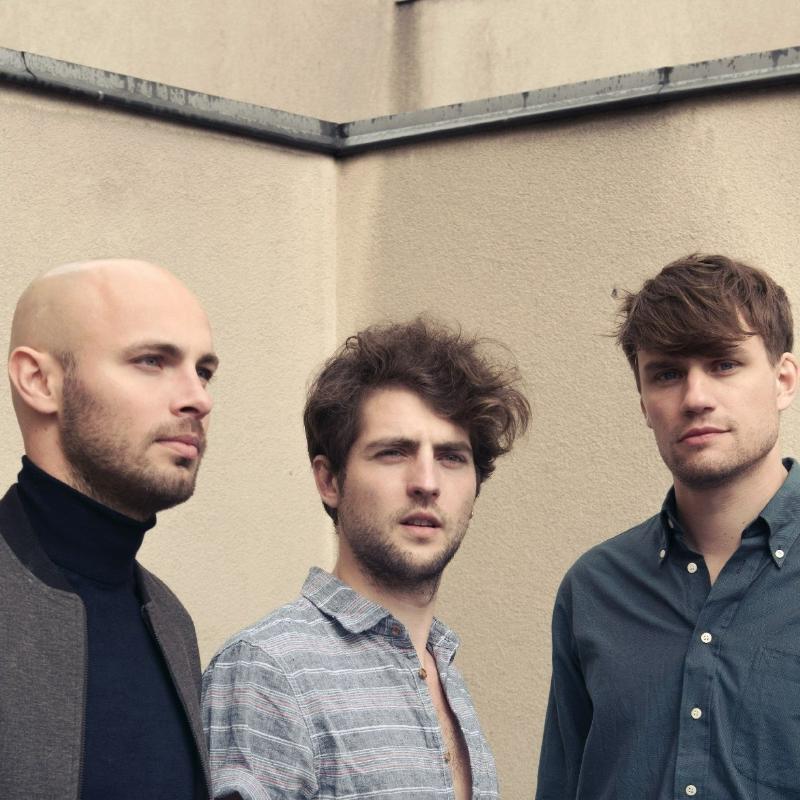
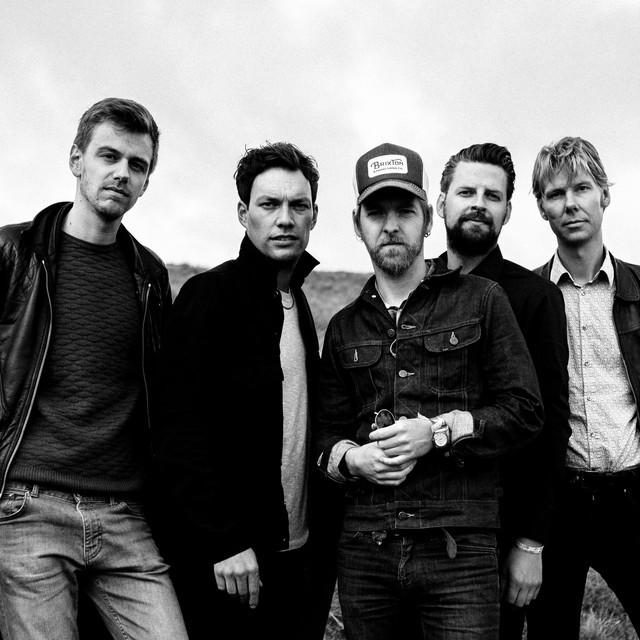
Drive Like Maria’s Spotify BioBelgian/Dutch band Drive Like Maria got their first breakthrough with the Global Battle of the Bands in 2005. Having won the Dutch leg of the event, they went on to finish in the second tier at the final in London. The events brought them to the attention of a wider audience, and soon after the competition they were signed to the Belgian-founded PIAS label. Drive Like Maria were built on three core members -- Bjorn Awouters on guitar and vocals, Nitzan Hoffmann on guitar, and Bram van den Berg on drums -- and they released their debut, Elmwood, in 2009. They embarked on a major tour that saw them perform at many key European festivals including Pukkelpop, Lowlands, and Mjarktrock. The band also supported legendary rockers Motörhead , AC/DC, and ZZ Top, whose sound they were no doubt heavily influenced by. Their debut was also aided by heavy airplay of their first single, "I'm on a Train," on Dutch radio. Drive Like Maria recorded their follow-up in an underground studio, and opened up… the process to a number of collaborators. De Staat's Jop van Summeren, Intergalactic Lovers' Lara Chedraoui, and Italy's string band Badabimbumband all contributed to the record. They also enlisted highly regarded producer John Agnello (Kurt Vile, Sonic Youth, Dinosaur Jr.) to finalize the mixes. Their self-titled sophomore effort was released in 2012, and they swiftly followed that up with the live album Howl in 2013. For their third release, they took a more unusual approach. Presented as a triptych, the first EP, Creator, arrived in April 2016, followed by the EP Preserver in September of the same year, and then the full record Creator Preserver Destroyer was released in January 2017. ~ Bekki Bemrose, Rovi
Viberate is a music analytics platform built for A&Rs, artist managers, labels, booking agents, marketers, and artists.
It helps music professionals track artist growth, analyze audience data, monitor playlist activity, compare artists, follow song performance, and identify opportunities across the music market.
Public artist pages provide a free preview of selected artist data. Paid plans provide access to deeper analytics, historical data, charts, comparisons, playlist tools, exports, alerts, reports, and additional professional features.
Yes. Public Viberate artist pages provide selected artist analytics and music data for free.
Viberate also offers a 7-day free trial of the full platform. A credit card is required to start the trial. The trial includes access to the complete product so users can test deeper artist analytics, historical views, playlist insights, comparisons, charts, exports, alerts, and reporting features before choosing a paid plan.
Viberate provides artist analytics across streaming, playlists, social media, video, radio airplay, songs, and audience markets.
Users can analyze Spotify performance, Spotify and Apple Music playlists, YouTube activity, TikTok and Instagram growth, radio spins, song performance, audience locations, demographics, rankings, and overall artist momentum.
Artist profiles also connect to music charts, similar artists, and comparison tools, helping users benchmark performance and evaluate artists in context.
Viberate updates key artist and track data daily.
For followed artists and tracks, selected data is refreshed multiple times per day. This helps teams monitor playlist changes, streaming movement, audience growth, releases, and campaign performance with more current data.
Update frequency can vary depending on the metric and data source.
Yes. Viberate lets users compare up to five artists side by side across streaming, social media, audience, and engagement metrics.
Users can compare fanbase growth, audience demographics, locations, Spotify performance, social metrics, and other artist data over selected time periods.
Artist comparison can be used for A&R scouting, benchmarking, booking decisions, campaign planning, and evaluating artists with similar audiences or market positions.