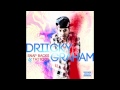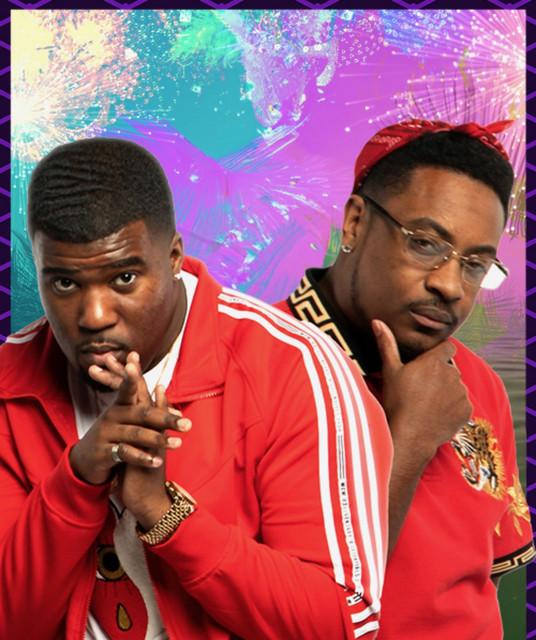
Driicky Graham

Hip Hop
Contemporary Hip Hop
Alternative Hip Hop
 Viberate Rank: 116004
 Viberate Rank: 116004
 Monthly ListenersFollowers
 Subscribers
 Followers
 Followers
 FansTop Spotify SongsTop YouTube VideosMonthly ListenersFeatured in Playlists
| Playlist | Followers | |
|---|---|---|
1 | NEW SH*T || Updated weekly || ORIGINAL RAPCAVIAR Simon Grum | 91.04K |
2 |  2000 to NOW by Nameless James Nameless James | 61.51K |
3 |  90s kidz Nameless James | 45.56K |
4 | Stripper Music Neil Beinert | 39.03K |
5 | R&B + Hip Hop 2010-2020 Arben Duci | 34.64K |
Audience| City | Monthly Listeners | |
|---|---|---|
1 | | 2.50K |
2 | | 2.26K |
3 | | 1.74K |
4 | | 1.73K |
5 | | 1.65K |
See full performance history, audience data, playlist activity, rankings, comparisons, and more in Viberate music analytics. Start with a free trial, then continue with a paid plan.
Driicky Graham’s Spotify BioOld name Driicky new name Narsi was only 19 when his single "Snapbacks and Tattoos" rose up the charts, but he was also a hip-hop veteran, having played a major role in the 1994 video for Lords Of The Underground's single "Tic Toc." He was just three years old at the time, miming all the lines to member Doitall's verse, and hip-hop continued to be the soundtrack of his life, thanks to parents who were devoted to the genre, and they remained so as they moved the young Graham from Oxford, North Carolina to Newark, New Jersey. In his teen years, social networking and Internet uploads helped introduce his lively material to a wide audience, including Three 6 Mafia producer Juicy J, who offered to helm a Driicky Graham mixtape. Work was underway on the project when "Snapbacks and Tattoos" climbed the charts in early 2012. Two years later his debut album, Success by the Graham, landed on the https://open.spotify.com/search/label%3A%22E1%22 label. ~ David Jeffries, Rovi
Viberate is a music analytics platform built for A&Rs, artist managers, labels, booking agents, marketers, and artists.
It helps music professionals track artist growth, analyze audience data, monitor playlist activity, compare artists, follow song performance, and identify opportunities across the music market.
Public artist pages provide a free preview of selected artist data. Paid plans provide access to deeper analytics, historical data, charts, comparisons, playlist tools, exports, alerts, reports, and additional professional features.
Yes. Public Viberate artist pages provide selected artist analytics and music data for free.
Viberate also offers a 7-day free trial of the full platform. A credit card is required to start the trial. The trial includes access to the complete product so users can test deeper artist analytics, historical views, playlist insights, comparisons, charts, exports, alerts, and reporting features before choosing a paid plan.
Viberate provides artist analytics across streaming, playlists, social media, video, radio airplay, songs, and audience markets.
Users can analyze Spotify performance, Spotify and Apple Music playlists, YouTube activity, TikTok and Instagram growth, radio spins, song performance, audience locations, demographics, rankings, and overall artist momentum.
Artist profiles also connect to music charts, similar artists, and comparison tools, helping users benchmark performance and evaluate artists in context.
Viberate updates key artist and track data daily.
For followed artists and tracks, selected data is refreshed multiple times per day. This helps teams monitor playlist changes, streaming movement, audience growth, releases, and campaign performance with more current data.
Update frequency can vary depending on the metric and data source.
Yes. Viberate lets users compare up to five artists side by side across streaming, social media, audience, and engagement metrics.
Users can compare fanbase growth, audience demographics, locations, Spotify performance, social metrics, and other artist data over selected time periods.
Artist comparison can be used for A&R scouting, benchmarking, booking decisions, campaign planning, and evaluating artists with similar audiences or market positions.