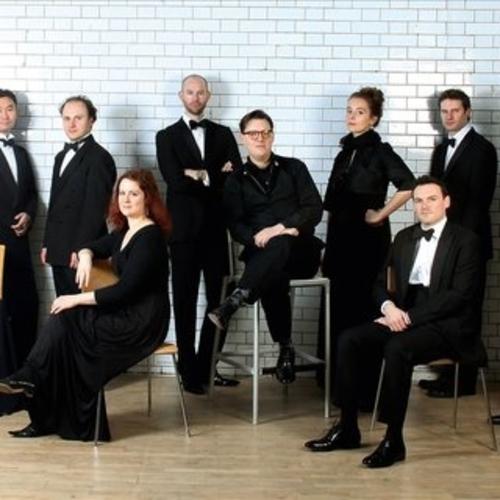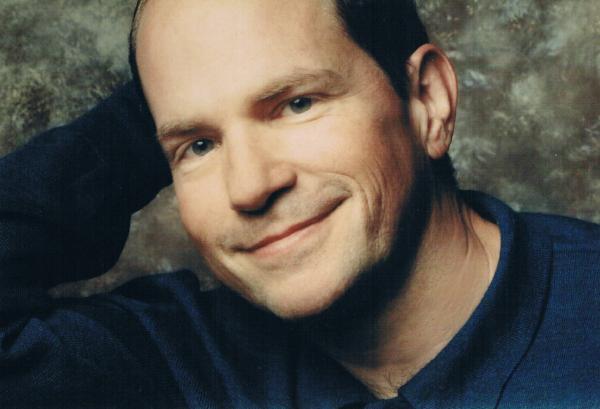
Drew Minter

Classical
Opera
Other European Music
 Viberate Rank: 599312
 Viberate Rank: 599312
 Monthly ListenersFollowers
 Subscribers
 Followers
 Followers
 FansTop Spotify Songs
| Track | 7-Day Streams | |
|---|---|---|
1 | 202 | |
2 | 86 | |
3 | 86 | |
4 | 71 | |
5 | 68 |
Top YouTube Videos| Video | 7-Day Views | |
|---|---|---|
1 | 2 |
Monthly ListenersFeatured in Playlists| Playlist | Followers | |
|---|---|---|
1 |  This Is Purcell Spotify | 35.80K |
2 |  baroque bangers jackson ellis | 11.43K |
3 |  Musica Sacra /Gregorian Chant Claes Eriksson | 3.77K |
4 | Italian Renaissance Music stylerino | 2.27K |
5 |  Sacred Choral Music samaudily | 2.22K |
Audience| City | Monthly Listeners | |
|---|---|---|
1 |  | 62 |
2 | | 36 |
3 |  | 34 |
4 |  | 31 |
5 |  | 28 |
See full performance history, audience data, playlist activity, rankings, comparisons, and more in Viberate music analytics. Start with a free trial, then continue with a paid plan.
Drew Minter’s Spotify BioAmerican Drew Minter is one of the world's leading countertenors and is active in early music (the natural era of that type of voice), but also in contemporary music.
He began performing at the age of nine as a boy treble in the Washington National Cathedral in the nation's capital. He graduated from Indiana University's School of Music in 1977. By then he had already won a prize in the 's-Hertogenbosch International Singing Competition in 1976. He joined the Collegium Musicum Budapest and in 1977 shared in its prize in the Bruges Early Music Competition. He also received Martha Baird Rockefeller and Fulbright study grants. He continued his musical studies at the Hochschule für Musik in Vienna, winning his performer's diploma in 1979.
He won a prize in the 1981 Erwin Bodky Competition. Entering the Bruges Early Music Competition in 1983, he won a prize as a soloist. He continued his vocal and musical studies with Myron McPherson, whom he cites as his principal instructor.
Minter is a… founding member of the Newberry Consort, Trefoil, and of My Lord Chamberlain's Consort, a vocal and plucked-string band, in which he both sings and plays early harps. Other ensembles with which he regularly performs include the Washington, D.C., vocal chamber music group Ensemble Five/One, the Folger Consort, and the early music vocal ensemble Pomerium. In addition, he has sung with such groups as Les Arts Florissants, the Academy of Ancient Music, Philharmonia Baroque Orchestra, the Freiburger Baroque Opera, Tafelmusik, and the Handel and Haydn Society. He has appeared at festivals such as BAM's Next Wave, the Boston Early Music Festival, and the Spoleto, Regensburg, and Edinburgh Festivals and the Handel Festivals of Hallé, Karlsruhe, Maryland, and Göttingen.
In addition to this active schedule of concert and recital appearances, he is highly active on the early operatic stage. He has sung leading roles in opera for the Opéras of Nice, Marseilles, Toulouse, and Brussels, and the BAM, Wolf Trap, Berkshire, Omaha, Santa Fe, Boston, Washington, Skylight, and Glimmerglass opera companies or festivals.
In 1994, Minter began a second career as an opera stage director, and has over 20 productions to his credit. As a singer or a director (or both) he has participated in productions of over two dozen Handel dramatic works. He directs them based on deep research of the acting methods and stage practice of the era. He also sings many Handel oratorios and other vocal/choral works, estimating that he had sung Messiah over 200 times in his career as of the year 2000.
Minter has made over 50 recordings and two films, including Peter Sellars' production of Giulio Cesare (as Tolomeo) and in a biography of the life of Abbess Hildegard von Bingen. He contributes regularly to Opera News magazine.
He also is widely known as a teacher. He conducts master classes and lessons on interpretation of early vocal music, the instrumental technique of early harps, and dramatic interpretation and staging of Baroque opera, including a class that discusses both the physical gestures and musical ornamentations well known to all Baroque opera singers. He has taught as a guest professor at Vassar and Smith Colleges, and is a regular teacher at the Amherst Early Music workshops. He has also prepared his own realization of Purcell's Dido and Aeneas.
Viberate is a music analytics platform built for A&Rs, artist managers, labels, booking agents, marketers, and artists.
It helps music professionals track artist growth, analyze audience data, monitor playlist activity, compare artists, follow song performance, and identify opportunities across the music market.
Public artist pages provide a free preview of selected artist data. Paid plans provide access to deeper analytics, historical data, charts, comparisons, playlist tools, exports, alerts, reports, and additional professional features.
Yes. Public Viberate artist pages provide selected artist analytics and music data for free.
Viberate also offers a 7-day free trial of the full platform. A credit card is required to start the trial. The trial includes access to the complete product so users can test deeper artist analytics, historical views, playlist insights, comparisons, charts, exports, alerts, and reporting features before choosing a paid plan.
Viberate provides artist analytics across streaming, playlists, social media, video, radio airplay, songs, and audience markets.
Users can analyze Spotify performance, Spotify and Apple Music playlists, YouTube activity, TikTok and Instagram growth, radio spins, song performance, audience locations, demographics, rankings, and overall artist momentum.
Artist profiles also connect to music charts, similar artists, and comparison tools, helping users benchmark performance and evaluate artists in context.
Viberate updates key artist and track data daily.
For followed artists and tracks, selected data is refreshed multiple times per day. This helps teams monitor playlist changes, streaming movement, audience growth, releases, and campaign performance with more current data.
Update frequency can vary depending on the metric and data source.
Yes. Viberate lets users compare up to five artists side by side across streaming, social media, audience, and engagement metrics.
Users can compare fanbase growth, audience demographics, locations, Spotify performance, social metrics, and other artist data over selected time periods.
Artist comparison can be used for A&R scouting, benchmarking, booking decisions, campaign planning, and evaluating artists with similar audiences or market positions.