Drew Citron

Rock
Indie Rock
Punk Rock
 Viberate Rank: 608557
 Viberate Rank: 608557
 Monthly ListenersFollowers
 Subscribers
 Followers
 Followers
 FansTop Spotify Songs
| Track | 7-Day Streams | |
|---|---|---|
1 | 26 | |
2 | 26 | |
3 | 10 | |
4 | 4 | |
5 | 4 |
Top YouTube VideosMonthly ListenersFeatured in Playlists| Playlist | Followers | |
|---|---|---|
1 |  The Class by Taryn Toomey Favorites Sam Suzenaar | 6.36K |
2 |  Discover New Artists tationmedi | 4.59K |
3 |  SAD - Melancholy songs Sirio | 3.17K |
4 |  The New Indie 1283802749 | 2.18K |
5 |  Novedades Indiespot 2020 Indiespot | 2.01K |
Audience| City | Monthly Listeners | |
|---|---|---|
1 | | 4 |
2 |  | 3 |
3 | | 3 |
4 | | 3 |
See full performance history, audience data, playlist activity, rankings, comparisons, and more in Viberate music analytics. Start with a free trial, then continue with a paid plan.
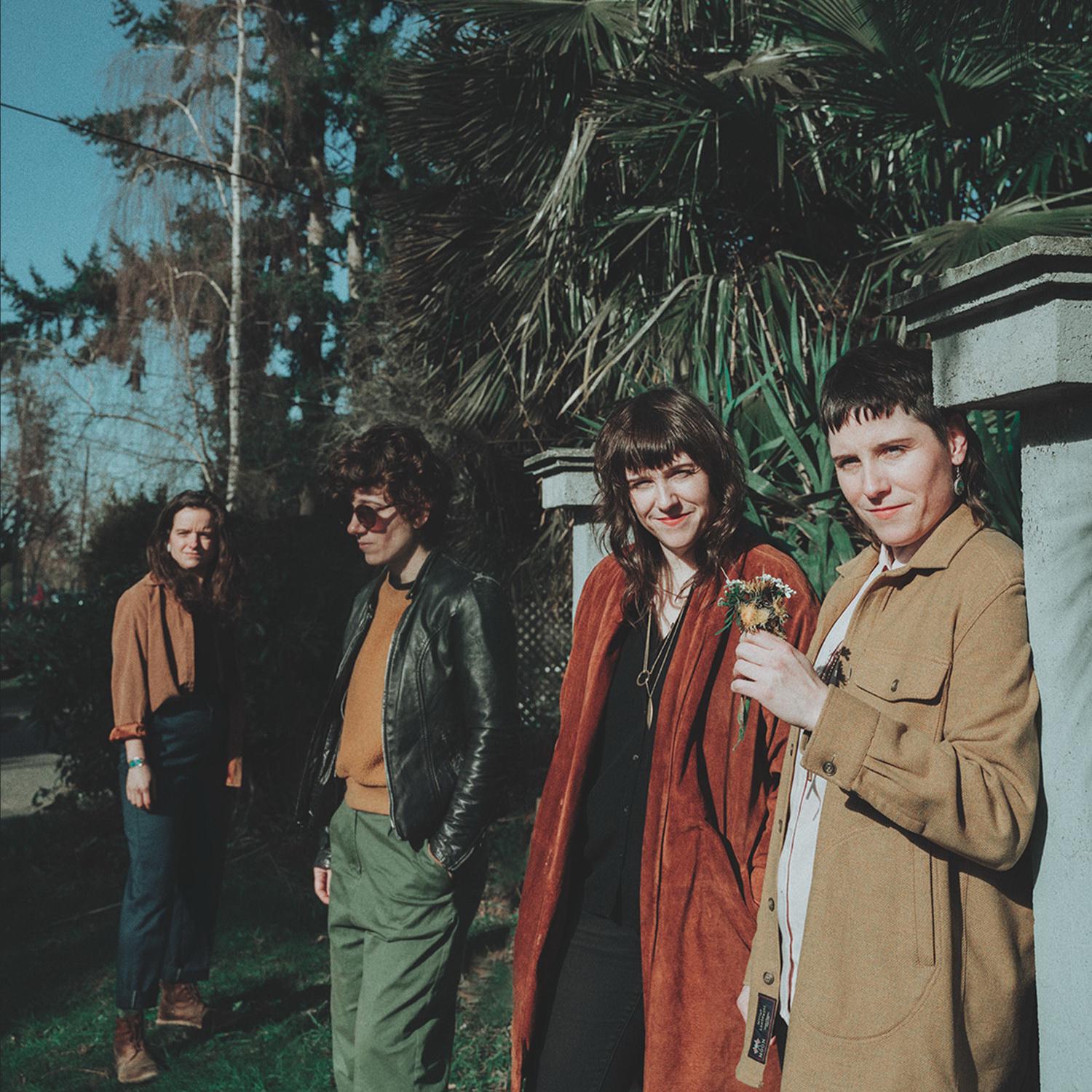
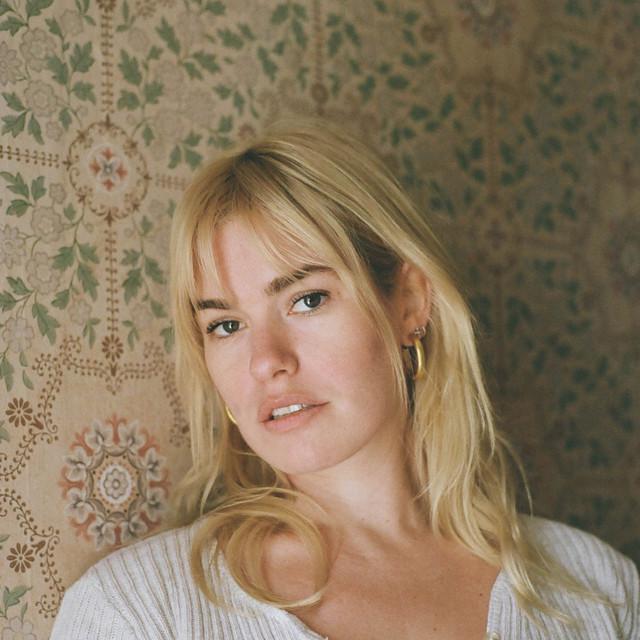
Drew Citron’s Spotify BioBrooklyn indie-rock stalwart Drew Citron formed Beverly in 2013, after having got her start as a touring member with Frankie Rose and The Pains of Being Pure of Heart. Drew Citron and Beverly drummer, Scott Rosenthal, would go on to open storied Bushwick music-venue, Alphaville, and more recently embark on the highly regarded post-punk outfit, Public Practice. In all these collaborative endeavors, Citron has been developing, refining, and ultimately giving life to what is her latest project, Free Now.
“Growing up in San Francisco, I used to take so many long melancholic walks listening to The Smiths on my Discman. And those walks now strike me as a kind of prelude to the feeling I’m getting at with this album,” says Citron. “Most of the songs were written in Northern California, camped out on the coast recalling much of how it felt to be an adolescent of sixteen, in love with a record.”
Citron, after the break up of Beverly and the end of her long-term relationship with Rosenthal, writes… a lot about heartbreak on Free Now. In recording, Citron recruited an extremely talented pool of musicians, recording with Sam Owens (aka Sam Evian) at Flying Cloud, Tim Wheeler (of Ash) at Atomic Heart, John Agnello (Dinosaur Jr., Sonic Youth, Kurt Vile) at Water Music, and Danny Taylor.
With Free Now, one of the most beautiful voices in Indie Rock, comes to the table with a whole lot of pain to sing about and the full musical knowledge to put herself, and her talents, front and center.
Viberate is a music analytics platform built for A&Rs, artist managers, labels, booking agents, marketers, and artists.
It helps music professionals track artist growth, analyze audience data, monitor playlist activity, compare artists, follow song performance, and identify opportunities across the music market.
Public artist pages provide a free preview of selected artist data. Paid plans provide access to deeper analytics, historical data, charts, comparisons, playlist tools, exports, alerts, reports, and additional professional features.
Yes. Public Viberate artist pages provide selected artist analytics and music data for free.
Viberate also offers a 7-day free trial of the full platform. A credit card is required to start the trial. The trial includes access to the complete product so users can test deeper artist analytics, historical views, playlist insights, comparisons, charts, exports, alerts, and reporting features before choosing a paid plan.
Viberate provides artist analytics across streaming, playlists, social media, video, radio airplay, songs, and audience markets.
Users can analyze Spotify performance, Spotify and Apple Music playlists, YouTube activity, TikTok and Instagram growth, radio spins, song performance, audience locations, demographics, rankings, and overall artist momentum.
Artist profiles also connect to music charts, similar artists, and comparison tools, helping users benchmark performance and evaluate artists in context.
Viberate updates key artist and track data daily.
For followed artists and tracks, selected data is refreshed multiple times per day. This helps teams monitor playlist changes, streaming movement, audience growth, releases, and campaign performance with more current data.
Update frequency can vary depending on the metric and data source.
Yes. Viberate lets users compare up to five artists side by side across streaming, social media, audience, and engagement metrics.
Users can compare fanbase growth, audience demographics, locations, Spotify performance, social metrics, and other artist data over selected time periods.
Artist comparison can be used for A&R scouting, benchmarking, booking decisions, campaign planning, and evaluating artists with similar audiences or market positions.