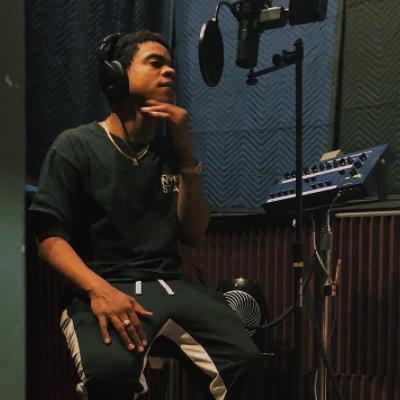
Drew Ashby

R&B
Contemporary R&B
Nu Jazz
 Viberate Rank: 714582
 Viberate Rank: 714582
 Monthly ListenersFollowers
 Subscribers
 Followers
 Followers
 FansTop Spotify Songs
| Track | 7-Day Streams | |
|---|---|---|
1 | 40 | |
2 | 33 | |
3 | 17 | |
4 | 17 | |
5 | 10 |
Top YouTube VideosMonthly ListenersFeatured in Playlists| Playlist | Followers | |
|---|---|---|
1 |  soul songs to chill to FRTYFVE | 54.17K |
2 |  crushing on u 🥰 FRTYFVE | 36.80K |
3 |  fine jazz Spotify | 27.48K |
4 |  RNB 2026 / Best R&B Songs 2026 / 🐠 indiemono | 17.00K |
5 |  curated essentials FRTYFVE | 2.75K |
Audience| City | Monthly Listeners | |
|---|---|---|
1 | | 5 |
2 |  | 5 |
3 | | 4 |
4 |  | 4 |
5 |  | 3 |
See full performance history, audience data, playlist activity, rankings, comparisons, and more in Viberate music analytics. Start with a free trial, then continue with a paid plan.
Drew Ashby’s Spotify BioDrew Ashby is emerging as one of the most exciting new voices in jazz. His unique visual style and innovative creative approach earned him a notable victory at the SXSW 2023 IMDbPro Music Video Competition, where he stood out among remarkable talents like Docheii, Mac Miller, Diplo, Miguel and others.
Drew Ashby’s music is a gumbo of jazz, hip-hop, R&B, and electronic elements, seamlessly intertwining in each of his compositions. His eclectic style combines traditional acoustic instruments like grand piano, upright bass, and horns with modern electronic textures and grooves from the contemporary rap and hip-hop scenes.
Originating from Richmond, Virginia, he began playing the trumpet at the tender age of 6. With guidance from his father, jazz composer Ashby Anderson, Drew was already performing with Trombone Shorty and learning from the late Frank Foster by the age of 12. By just 14, he had already drawn the admiration of jazz icons such as Quincy Jones and Wynton Marsalis.
By age 17,… Drew Ashby had relocated from Richmond to immerse himself in the vibrant New York City jazz scene. There, he quickly made a name for himself, performing and touring with artists Solange Knowles, Talib Kweli, Terrace Martin, Natasha Diggs, Ulysses Owens Jr., and Yasiin Bey (formerly known as Mos Def).
Viberate is a music analytics platform built for A&Rs, artist managers, labels, booking agents, marketers, and artists.
It helps music professionals track artist growth, analyze audience data, monitor playlist activity, compare artists, follow song performance, and identify opportunities across the music market.
Public artist pages provide a free preview of selected artist data. Paid plans provide access to deeper analytics, historical data, charts, comparisons, playlist tools, exports, alerts, reports, and additional professional features.
Yes. Public Viberate artist pages provide selected artist analytics and music data for free.
Viberate also offers a 7-day free trial of the full platform. A credit card is required to start the trial. The trial includes access to the complete product so users can test deeper artist analytics, historical views, playlist insights, comparisons, charts, exports, alerts, and reporting features before choosing a paid plan.
Viberate provides artist analytics across streaming, playlists, social media, video, radio airplay, songs, and audience markets.
Users can analyze Spotify performance, Spotify and Apple Music playlists, YouTube activity, TikTok and Instagram growth, radio spins, song performance, audience locations, demographics, rankings, and overall artist momentum.
Artist profiles also connect to music charts, similar artists, and comparison tools, helping users benchmark performance and evaluate artists in context.
Viberate updates key artist and track data daily.
For followed artists and tracks, selected data is refreshed multiple times per day. This helps teams monitor playlist changes, streaming movement, audience growth, releases, and campaign performance with more current data.
Update frequency can vary depending on the metric and data source.
Yes. Viberate lets users compare up to five artists side by side across streaming, social media, audience, and engagement metrics.
Users can compare fanbase growth, audience demographics, locations, Spotify performance, social metrics, and other artist data over selected time periods.
Artist comparison can be used for A&R scouting, benchmarking, booking decisions, campaign planning, and evaluating artists with similar audiences or market positions.