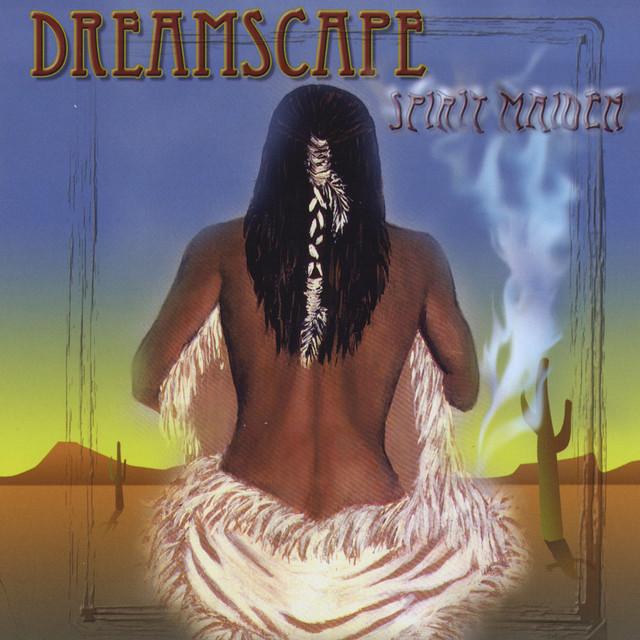
Dreamscape

Metal
Progressive Metal
Downtempo
 Viberate Rank: 317277
 Viberate Rank: 317277
 Monthly ListenersFollowers
 Subscribers
 Followers
 Followers
 FansTop Spotify Songs
| Track | 7-Day Streams | |
|---|---|---|
1 | 353 | |
2 | 344 | |
3 | 270 | |
4 | 259 | |
5 | 126 |
Top YouTube VideosMonthly ListenersFeatured in Playlists| Playlist | Followers | |
|---|---|---|
1 |  Deep House Classics 2026 Thomas Coxhead | 15.03K |
2 | Buda bar jaimekh | 10.51K |
3 |  Jazzy Soulful Disco House 2026 Swung Out Records | 7.57K |
4 | Instrumental yoga flow music Yoga with Yvonne | 7.40K |
5 |  Moxie NTS Radio Show Archive DJ Moxie | 7.33K |
Audience| City | Monthly Listeners | |
|---|---|---|
1 | | 86 |
2 |  | 75 |
3 |  | 41 |
4 | | 37 |
5 | | 32 |
See full performance history, audience data, playlist activity, rankings, comparisons, and more in Viberate music analytics. Start with a free trial, then continue with a paid plan.
Dreamscape’s Spotify BioThe victims of that killer of many bands, that is to say multiple line-up changes, Munich, Germany's Dreamscape managed to rise above the fray, and carved out quite a solid career for themselves over the years. Formed by guitarist Wolfgang Kerinnis and guitarist Stefan Gassner in 1986, the progressive rock outfit settled with the addition of vocalist Tobi Zoltan, bassist Benno Schmidtler, and drummer Andreas Angerer, and began live performances in 1992. The first of many line up changes began here, and when the dust settled, Dreamscape began work on the first of a series of demos. The first, Dreamscape, was released in 1993, and was followed by Decisions in 1994, and Changes in 1995. Understanding the changing face of the music business at the time, Dreamscape decided to move away from the concept of shopping demos to labels, and decided to self-fund the recording of a full length debut. The recording sessions is 1996 resulted in 1997's debut Trance-Like State. During the sessions, a… keyboardist was brought in to add to and flesh out the sound. This shake up caused the sudden exit of founder Stefan Gassner and Andreas Angerer, leaving the band with a few holes to fill. The recording and release went on as planned, and 1997's debut was taken on and promoted by Rising Sun Productions. Before the band could get rolling with their new members, however, vocalist Tobi Zoltan was asked to leave, and eventually a replacement was found in Hubi Meisel. With the new set up in place the band released the 1999 opus, Very. After spending a good deal of 1999 working on the band's studio, Meisel left, and the band took some time out to regroup. Dreamscape returned in 2004 with End of Silence, followed up by 2005's Revoiced. For 2007's album, 5th Season, founder Kerinnis brought together a wholly new band, including Mischa Mang on vocals, Ralf Schwager on Bass, David Bertok on keys, and Micahel Schwager on drums. ~ Chris True, Rovi
Viberate is a music analytics platform built for A&Rs, artist managers, labels, booking agents, marketers, and artists.
It helps music professionals track artist growth, analyze audience data, monitor playlist activity, compare artists, follow song performance, and identify opportunities across the music market.
Public artist pages provide a free preview of selected artist data. Paid plans provide access to deeper analytics, historical data, charts, comparisons, playlist tools, exports, alerts, reports, and additional professional features.
Yes. Public Viberate artist pages provide selected artist analytics and music data for free.
Viberate also offers a 7-day free trial of the full platform. A credit card is required to start the trial. The trial includes access to the complete product so users can test deeper artist analytics, historical views, playlist insights, comparisons, charts, exports, alerts, and reporting features before choosing a paid plan.
Viberate provides artist analytics across streaming, playlists, social media, video, radio airplay, songs, and audience markets.
Users can analyze Spotify performance, Spotify and Apple Music playlists, YouTube activity, TikTok and Instagram growth, radio spins, song performance, audience locations, demographics, rankings, and overall artist momentum.
Artist profiles also connect to music charts, similar artists, and comparison tools, helping users benchmark performance and evaluate artists in context.
Viberate updates key artist and track data daily.
For followed artists and tracks, selected data is refreshed multiple times per day. This helps teams monitor playlist changes, streaming movement, audience growth, releases, and campaign performance with more current data.
Update frequency can vary depending on the metric and data source.
Yes. Viberate lets users compare up to five artists side by side across streaming, social media, audience, and engagement metrics.
Users can compare fanbase growth, audience demographics, locations, Spotify performance, social metrics, and other artist data over selected time periods.
Artist comparison can be used for A&R scouting, benchmarking, booking decisions, campaign planning, and evaluating artists with similar audiences or market positions.