DREAMERS

Rock
Indie Rock
Alternative Rock
 Viberate Rank: 34172
 Viberate Rank: 34172
 Monthly ListenersFollowers
 Subscribers
 Followers
 Followers
 FansTop Spotify Songs
| Track | 7-Day Streams | |
|---|---|---|
1 | 51.63K | |
2 | 34.46K | |
3 | 30.29K | |
4 | 27.74K | |
5 | 26.09K |
Top YouTube VideosMonthly ListenersFeatured in Playlists| Playlist | Followers | |
|---|---|---|
1 |  Badass Villain Vibes! CloudKid | 1.36M |
2 |  Rock Me Up Spotify | 605.46K |
3 |  Alternative Beats Spotify | 502.60K |
4 |  Energy Booster Rock Spotify | 417.03K |
5 |  Rocking Indie PopFiltr | 374.83K |
Audience| City | Monthly Listeners | |
|---|---|---|
1 | | 8.36K |
2 | | 6.58K |
3 | | 5.73K |
4 | | 5.53K |
5 | | 4.96K |
See full performance history, audience data, playlist activity, rankings, comparisons, and more in Viberate music analytics. Start with a free trial, then continue with a paid plan.
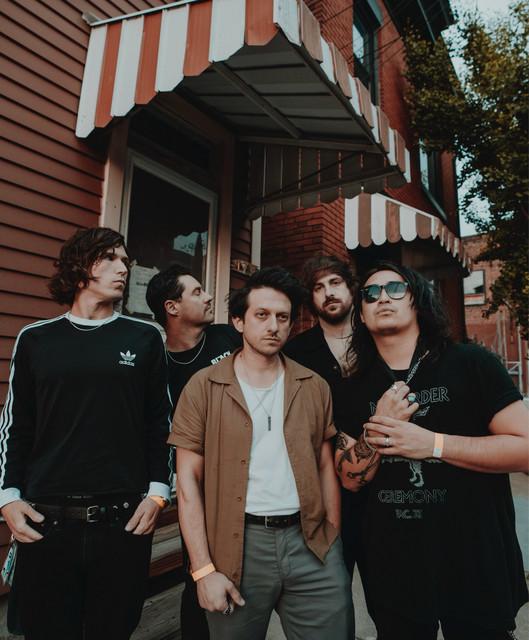
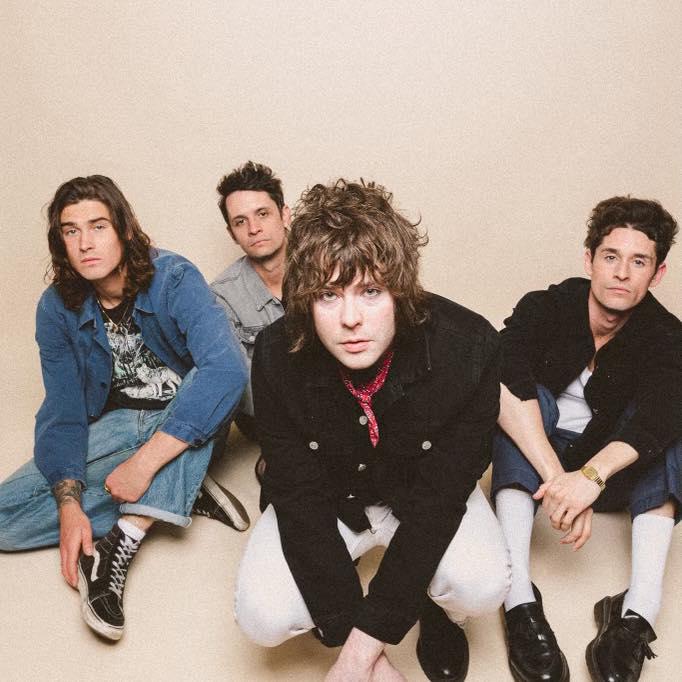
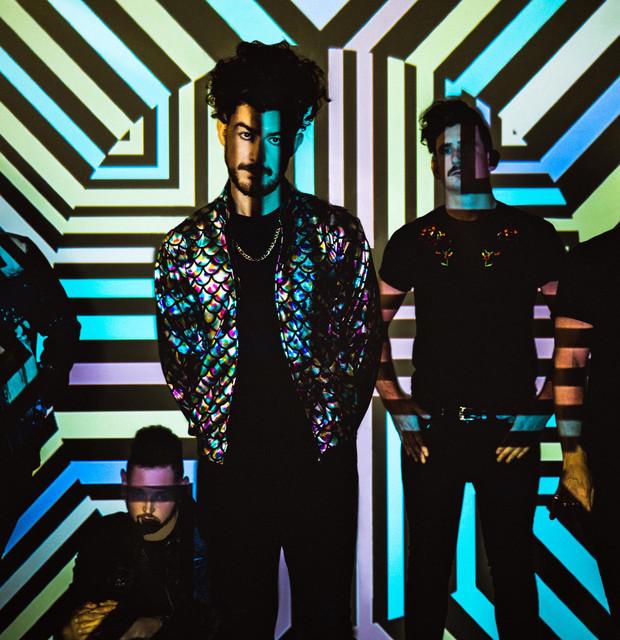
DREAMERS’ Spotify BioFrom clubs & arenas to festivals including Lollapalooza, Bumbershoot, Firefly, Reading and Leeds, Los Angeles-via-Brooklyn band DREAMERS (Nick Wold and Nelson) has shared stages with the likes of Stone Temple Pilots, The 1975, Third Eye Blind, X Ambassadors, Bleachers, Catfish & The Bottlemen, & Weezer while garnering coverage from Fader, Entertainment Weekly and Paste, among others, and performing on Jimmy Kimmel Live. In 2016, the band released their debut full-length album This Album Does Not Exist, featuring the top 10 Alternative radio hit, the electro-sprinkled pop gem “Sweet Disaster.” Three other songs also charted nationally: the ’90s throwback “Drugs,” the crooning “Wolves (You Got Me),” and the soulful, brisk power-pop of their single “Painkiller.” In 2019 DREAMERS released LAUNCH FLY LAND, their second full-length album that spawned the top 10 alternative radio hit “Die Happy.” In 2020, the band released two more alternative radio hits: “Heat Seeker” ft. grandson which was… featured in Spotify’s Rock This Presents…Best Rock Songs of 2020, & the dark-pop love song “True Crime” ft. DeathByRomy. In 2021, the band came back with yet another collaboration: DREAMERS teamed up with legendary rapper Big Boi & alt-pop disruptor UPSAHL for “Palm Reader,” off their EP of the same name, which also got the remix treatment by legendary rock band All Time Low. Now, unfortunately, they’re all ded. But someone, or something, is still posting music to their spotify..
Viberate is a music analytics platform built for A&Rs, artist managers, labels, booking agents, marketers, and artists.
It helps music professionals track artist growth, analyze audience data, monitor playlist activity, compare artists, follow song performance, and identify opportunities across the music market.
Public artist pages provide a free preview of selected artist data. Paid plans provide access to deeper analytics, historical data, charts, comparisons, playlist tools, exports, alerts, reports, and additional professional features.
Yes. Public Viberate artist pages provide selected artist analytics and music data for free.
Viberate also offers a 7-day free trial of the full platform. A credit card is required to start the trial. The trial includes access to the complete product so users can test deeper artist analytics, historical views, playlist insights, comparisons, charts, exports, alerts, and reporting features before choosing a paid plan.
Viberate provides artist analytics across streaming, playlists, social media, video, radio airplay, songs, and audience markets.
Users can analyze Spotify performance, Spotify and Apple Music playlists, YouTube activity, TikTok and Instagram growth, radio spins, song performance, audience locations, demographics, rankings, and overall artist momentum.
Artist profiles also connect to music charts, similar artists, and comparison tools, helping users benchmark performance and evaluate artists in context.
Viberate updates key artist and track data daily.
For followed artists and tracks, selected data is refreshed multiple times per day. This helps teams monitor playlist changes, streaming movement, audience growth, releases, and campaign performance with more current data.
Update frequency can vary depending on the metric and data source.
Yes. Viberate lets users compare up to five artists side by side across streaming, social media, audience, and engagement metrics.
Users can compare fanbase growth, audience demographics, locations, Spotify performance, social metrics, and other artist data over selected time periods.
Artist comparison can be used for A&R scouting, benchmarking, booking decisions, campaign planning, and evaluating artists with similar audiences or market positions.