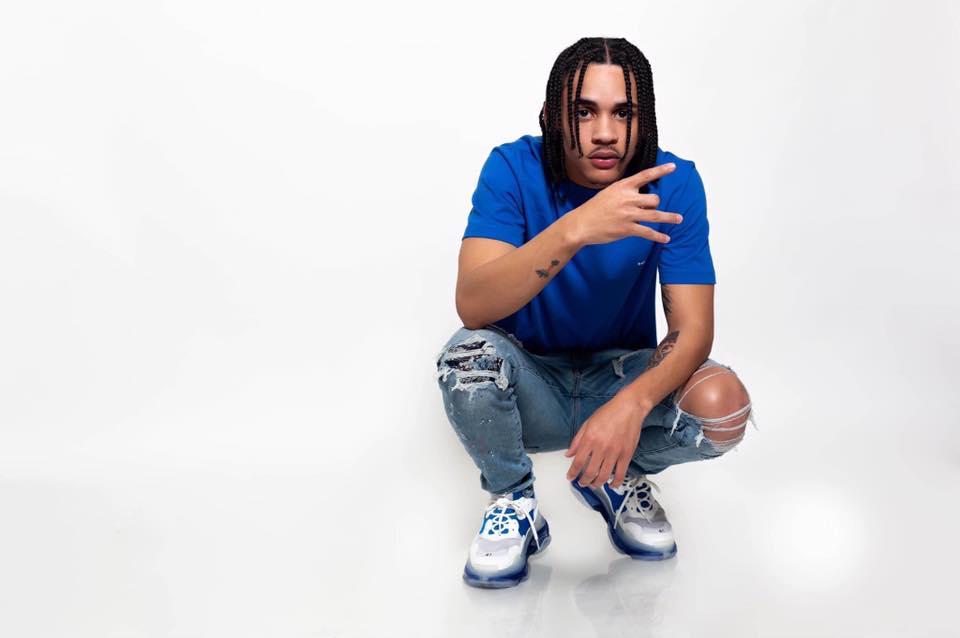
Dread Woo

Hip Hop
Alternative Hip Hop
Drill
 Viberate Rank: 178386
 Viberate Rank: 178386
 Monthly ListenersFollowers
 Subscribers
 Followers
 Followers
 FansTop Spotify Songs
| Track | 7-Day Streams | |
|---|---|---|
1 | 9.71K | |
2 | 9.06K | |
3 | 604 | |
4 | 281 | |
5 | 248 |
Top YouTube VideosMonthly ListenersFeatured in Playlists| Playlist | Followers | |
|---|---|---|
1 |  Pop Smoke Woo Hits Pop Smoke | 163.07K |
2 |  Sidetalk Sound Spotify | 127.48K |
3 | ELETRONICAS 2026 ⚡ Oblivious | 126.10K |
4 |  Rap Rising Rap Rising | 72.63K |
5 |  It’s Gym Time Boys Koda Kammer | 66.99K |
Audience| City | Monthly Listeners | |
|---|---|---|
1 | | 95 |
2 | | 77 |
3 |  | 39 |
4 |  | 32 |
5 | | 32 |
See full performance history, audience data, playlist activity, rankings, comparisons, and more in Viberate music analytics. Start with a free trial, then continue with a paid plan.
Dread Woo’s Spotify BioThe new decade of music is flooded with acts eager to make their stamp in the music industry. The Woo movement glamorized by the late Pop Smoke gathered a league of motivated acts to share their talents and stories with the world. One of those new acts are fellow friend ,
Dread Woo.
Dread Woo was born in Brooklyn, New York at the turn of the millennium. Growing up in the inner city, he found his inspirations in artists like Meek Mill, Lil Baby, The Migos, Lil Durk and more. All of these acts have turned their hardships into riches by sharing their pain and desires with listeners across the globe. Part of the Woo frenzy is influenced by the unique melodies inspired by UK drill beats and the New York swag. On these tracks artists will take beats influenced by the Chicago drill genre that has been infused to New York’s gllt rap. Paired with harmonies enveloped in themes of finessing and overcoming obstacles and adversities the Woo sound keeps their listeners entertained.
Since his… introduction, Woo has dropped a few singles and garnered over
1.5 million streams on various platforms.
Woo was featured on the album,
Shoot for the Stars, Aim for the Moon
by Pop Smoke
with the track
“Woo Year”
For the upcoming year, Woo intends on keeping the Woo lifestyle alive as he prepares for the new releases and a full EP with artists like Rah Swish and other local acts. You can find Dread Woo’s music on all streaming platforms and stay up to date with him on Instagram and twitter
Viberate is a music analytics platform built for A&Rs, artist managers, labels, booking agents, marketers, and artists.
It helps music professionals track artist growth, analyze audience data, monitor playlist activity, compare artists, follow song performance, and identify opportunities across the music market.
Public artist pages provide a free preview of selected artist data. Paid plans provide access to deeper analytics, historical data, charts, comparisons, playlist tools, exports, alerts, reports, and additional professional features.
Yes. Public Viberate artist pages provide selected artist analytics and music data for free.
Viberate also offers a 7-day free trial of the full platform. A credit card is required to start the trial. The trial includes access to the complete product so users can test deeper artist analytics, historical views, playlist insights, comparisons, charts, exports, alerts, and reporting features before choosing a paid plan.
Viberate provides artist analytics across streaming, playlists, social media, video, radio airplay, songs, and audience markets.
Users can analyze Spotify performance, Spotify and Apple Music playlists, YouTube activity, TikTok and Instagram growth, radio spins, song performance, audience locations, demographics, rankings, and overall artist momentum.
Artist profiles also connect to music charts, similar artists, and comparison tools, helping users benchmark performance and evaluate artists in context.
Viberate updates key artist and track data daily.
For followed artists and tracks, selected data is refreshed multiple times per day. This helps teams monitor playlist changes, streaming movement, audience growth, releases, and campaign performance with more current data.
Update frequency can vary depending on the metric and data source.
Yes. Viberate lets users compare up to five artists side by side across streaming, social media, audience, and engagement metrics.
Users can compare fanbase growth, audience demographics, locations, Spotify performance, social metrics, and other artist data over selected time periods.
Artist comparison can be used for A&R scouting, benchmarking, booking decisions, campaign planning, and evaluating artists with similar audiences or market positions.