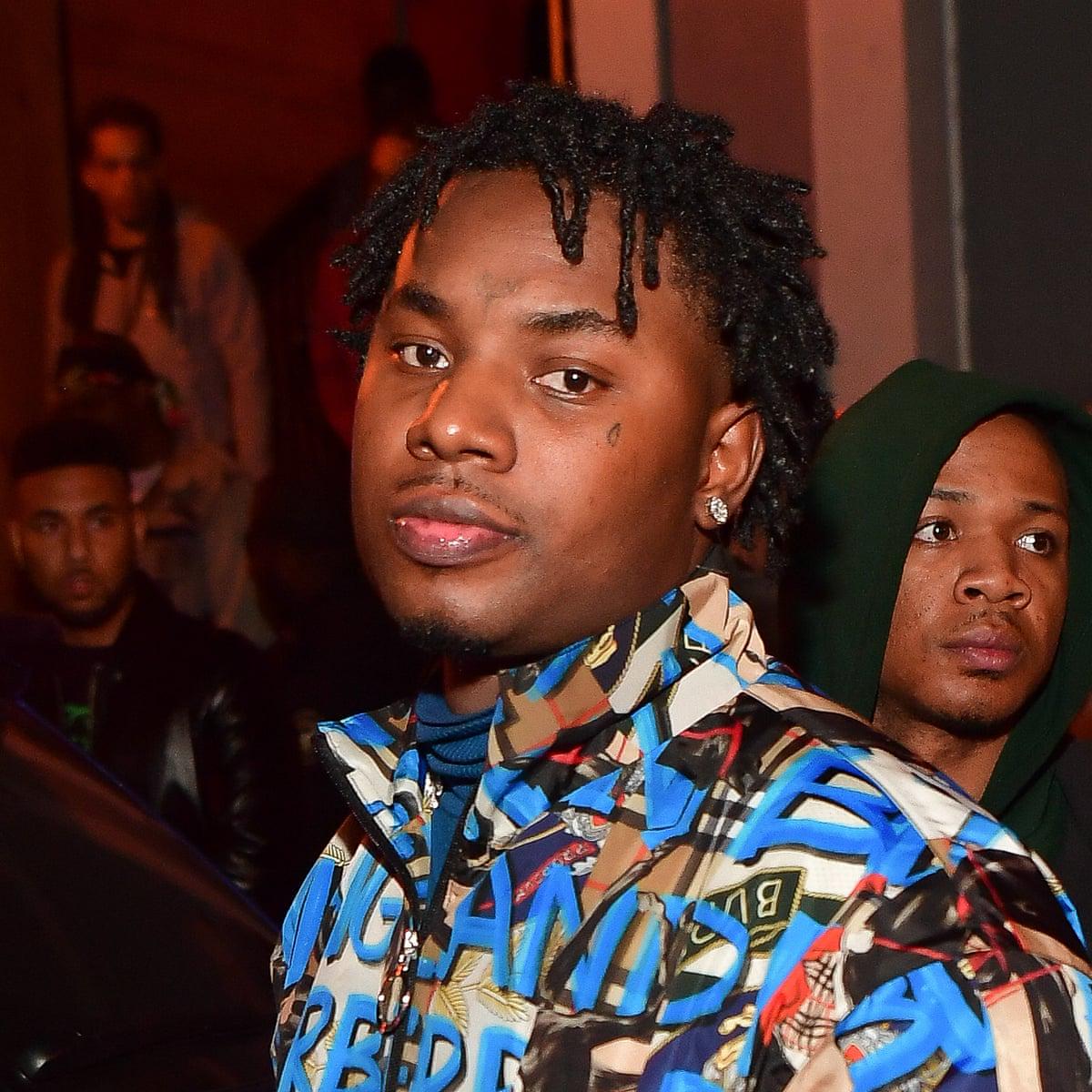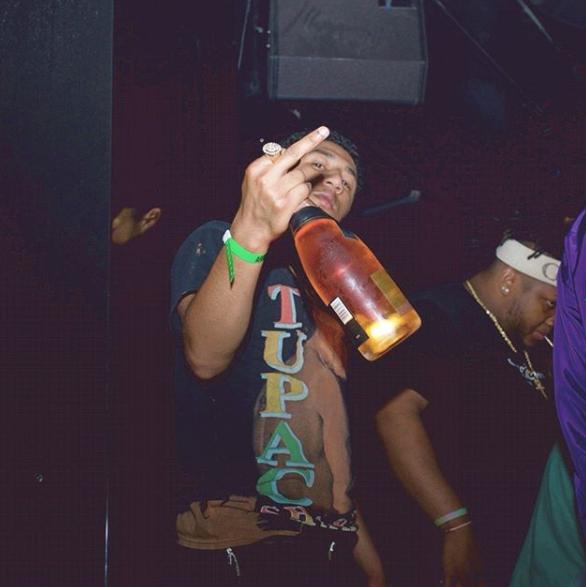
Drako

Hip Hop
Contemporary Hip Hop
Trap
 Viberate Rank: 186954
 Viberate Rank: 186954
 Monthly ListenersFollowers
 Subscribers
 Followers
 Followers
 FansTop Spotify Songs
| Track | 7-Day Streams | |
|---|---|---|
1 | 19.80K | |
2 | 309 | |
3 | 293 | |
4 | 187 | |
5 | 166 |
Top YouTube VideosMonthly ListenersFeatured in Playlists| Playlist | Followers | |
|---|---|---|
1 |  The Rap Game 2019 Michael Patrick | 77.59K |
2 |  Chill Rap - Drake, Kendrick Lamar, Wiz Khalifa - new songs and more.. Mateusz Kościelak | 73.92K |
3 | NWS 2 Niklas-Wilson Suárez Diego | 65.78K |
4 |  Moneybagg Yo Complete Collection Moneybagg Yo | 53.74K |
5 |  Lil baby - All songs Spiker | 48.42K |
Audience| City | Monthly Listeners | |
|---|---|---|
1 |  | 1.03K |
2 |  | 964 |
3 |  | 931 |
4 | | 909 |
5 |  | 853 |
See full performance history, audience data, playlist activity, rankings, comparisons, and more in Viberate music analytics. Start with a free trial, then continue with a paid plan.
Drako’s Spotify BioDrako, first emerged onto the Atlanta hip-hop scene with his debut Babygrande single, "Watch Me Do It.” After the Daps-directed (Migos) video premiered, the track took off on Atlanta's V-103 and Streets 94.5 FM and gained exposure on a national level. The song also made it's mark on the Atlanta club scene, charting at #2 behind "Bodak Yellow" on Atlanta's Coalition DJs club charts, while receiving national mixshow airplay.
Drako's follow-up single, “Boss,” featuring Yung Bans, was a massive viral hit, accumulating over a million streams within five days of its release.
Drako’s next single "Racks On Me" featuring Lil Baby, a smooth yet street-certified banger produced by Lil Voe, exploded upon its release and is still growing in 2021.
Viberate is a music analytics platform built for A&Rs, artist managers, labels, booking agents, marketers, and artists.
It helps music professionals track artist growth, analyze audience data, monitor playlist activity, compare artists, follow song performance, and identify opportunities across the music market.
Public artist pages provide a free preview of selected artist data. Paid plans provide access to deeper analytics, historical data, charts, comparisons, playlist tools, exports, alerts, reports, and additional professional features.
Yes. Public Viberate artist pages provide selected artist analytics and music data for free.
Viberate also offers a 7-day free trial of the full platform. A credit card is required to start the trial. The trial includes access to the complete product so users can test deeper artist analytics, historical views, playlist insights, comparisons, charts, exports, alerts, and reporting features before choosing a paid plan.
Viberate provides artist analytics across streaming, playlists, social media, video, radio airplay, songs, and audience markets.
Users can analyze Spotify performance, Spotify and Apple Music playlists, YouTube activity, TikTok and Instagram growth, radio spins, song performance, audience locations, demographics, rankings, and overall artist momentum.
Artist profiles also connect to music charts, similar artists, and comparison tools, helping users benchmark performance and evaluate artists in context.
Viberate updates key artist and track data daily.
For followed artists and tracks, selected data is refreshed multiple times per day. This helps teams monitor playlist changes, streaming movement, audience growth, releases, and campaign performance with more current data.
Update frequency can vary depending on the metric and data source.
Yes. Viberate lets users compare up to five artists side by side across streaming, social media, audience, and engagement metrics.
Users can compare fanbase growth, audience demographics, locations, Spotify performance, social metrics, and other artist data over selected time periods.
Artist comparison can be used for A&R scouting, benchmarking, booking decisions, campaign planning, and evaluating artists with similar audiences or market positions.