Drag The River

Country
Contemporary Country
Americana/Alt Country
 Viberate Rank: 218602
 Viberate Rank: 218602
 Monthly ListenersFollowers
 Subscribers
 Followers
 Followers
 FansTop Spotify Songs
| Track | 7-Day Streams | |
|---|---|---|
1 | 669 | |
2 | 395 | |
3 | 355 | |
4 | 348 | |
5 | 318 |
Top YouTube VideosMonthly ListenersFeatured in Playlists| Playlist | Followers | |
|---|---|---|
1 |  Best Get Ready Tyler Childers | 15.82K |
2 | Happy Hour Beach Music Jimmy Buffett Fvale | 2.54K |
3 |  The Sound of Alternative Country The Sounds of Spotify | 2.11K |
Audience| City | Monthly Listeners | |
|---|---|---|
1 | | 106 |
2 | | 95 |
3 | | 70 |
4 | | 56 |
5 | | 54 |
See full performance history, audience data, playlist activity, rankings, comparisons, and more in Viberate music analytics. Start with a free trial, then continue with a paid plan.
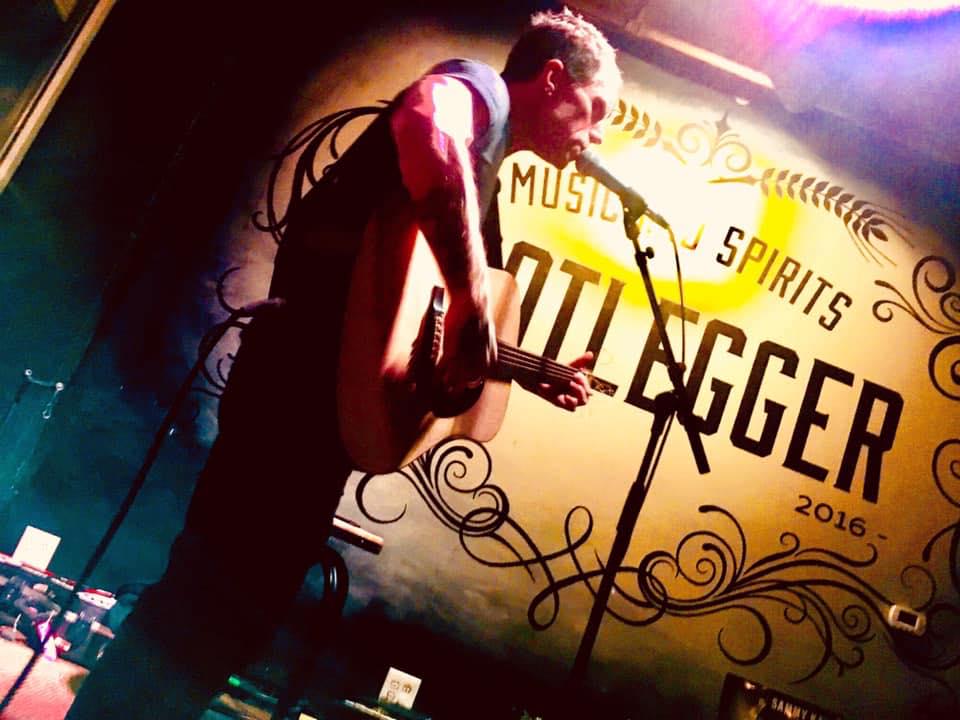
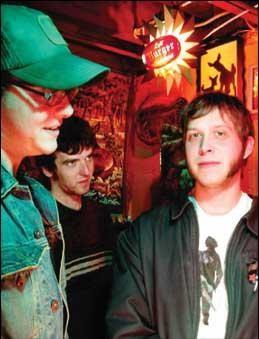
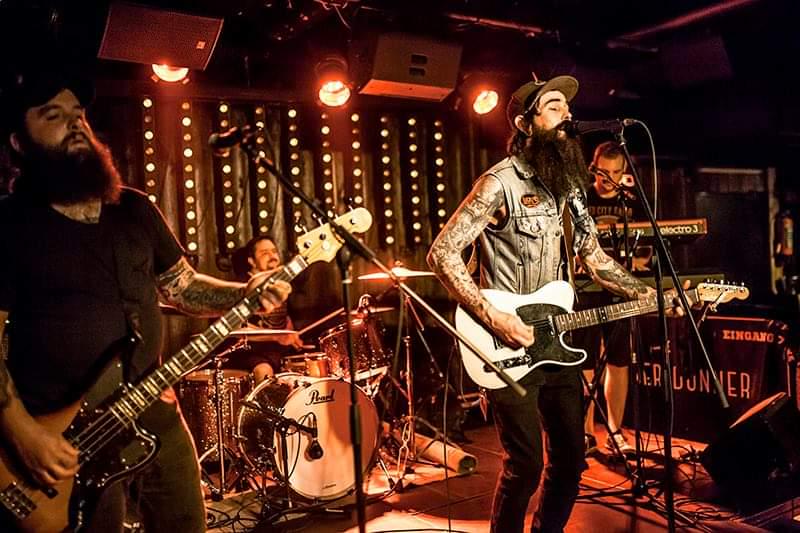
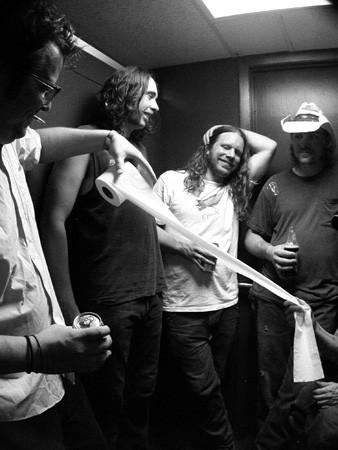
Drag The River’s Spotify BioBased out of Fort Collins, CO, Drag the River was a musical outlet for some of punk's seasoned veterans. All frontman Chad Price hooked up with Armchair Martian's Jon Snodgrass and Paul Rucker and the Nobodys' J.J. Nobody and formed Drag the River for a country-rock fix in 1996. Hobo's Demo's was released in mid-2000 (reissued by Suburban Home in late 2006) and captured Drag the River's rough-cut rock & roll woven around lyrical introspections. Pedal steel guitarist Zach Boddicker was added to the fray by 2001 and Drag the River prepped for a sophomore effort while playing gigs out west. Closed, which shaped into a booze-soaked storybook of heartbreak and loneliness, was issued on Upland in spring 2002. Recorded that July, Live at the Starlight was also released by the year's end through Mars Motors Records. Chicken Demos appeared in May 2004, comprised mostly of songs that didn't make the cut for Hobo's Demo's, before the Hey Buddies... EP followed late that fall. Boddicker then… exited to return to school, and Chad Rex filled in from time to time before Hot Rod Circuit's Casey Prestwood took over steel duties. Rucker exited in late 2005 and was replaced on drums by Dave Barker (ex-Pinhead Circus). Drag the River then released It's Crazy in June 2006, also contributing the track "Portland" to October's Replacements tribute album, We'll Inherit the Earth. They closed out the year on tour dates with Lucero and spent the first part of 2007 on the road opening for Rocky Votolato. The latter tour saw Snodgrass dropping out of the band's ranks midway through (he simply left the tour, not the band), which left fans asking questions. Things didn't really get better for Drag the River, and in May members announced they were amicably going their separate ways. ~ MacKenzie Wilson, Rovi
Viberate is a music analytics platform built for A&Rs, artist managers, labels, booking agents, marketers, and artists.
It helps music professionals track artist growth, analyze audience data, monitor playlist activity, compare artists, follow song performance, and identify opportunities across the music market.
Public artist pages provide a free preview of selected artist data. Paid plans provide access to deeper analytics, historical data, charts, comparisons, playlist tools, exports, alerts, reports, and additional professional features.
Yes. Public Viberate artist pages provide selected artist analytics and music data for free.
Viberate also offers a 7-day free trial of the full platform. A credit card is required to start the trial. The trial includes access to the complete product so users can test deeper artist analytics, historical views, playlist insights, comparisons, charts, exports, alerts, and reporting features before choosing a paid plan.
Viberate provides artist analytics across streaming, playlists, social media, video, radio airplay, songs, and audience markets.
Users can analyze Spotify performance, Spotify and Apple Music playlists, YouTube activity, TikTok and Instagram growth, radio spins, song performance, audience locations, demographics, rankings, and overall artist momentum.
Artist profiles also connect to music charts, similar artists, and comparison tools, helping users benchmark performance and evaluate artists in context.
Viberate updates key artist and track data daily.
For followed artists and tracks, selected data is refreshed multiple times per day. This helps teams monitor playlist changes, streaming movement, audience growth, releases, and campaign performance with more current data.
Update frequency can vary depending on the metric and data source.
Yes. Viberate lets users compare up to five artists side by side across streaming, social media, audience, and engagement metrics.
Users can compare fanbase growth, audience demographics, locations, Spotify performance, social metrics, and other artist data over selected time periods.
Artist comparison can be used for A&R scouting, benchmarking, booking decisions, campaign planning, and evaluating artists with similar audiences or market positions.