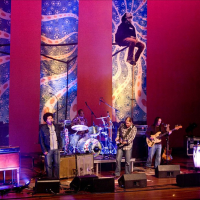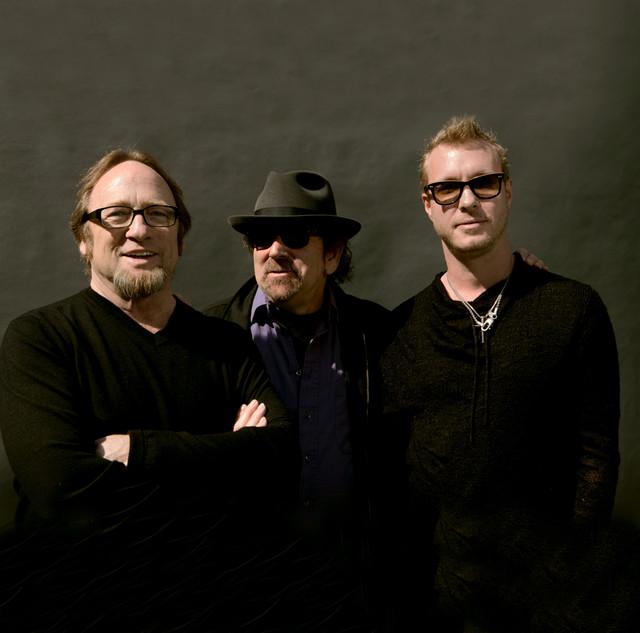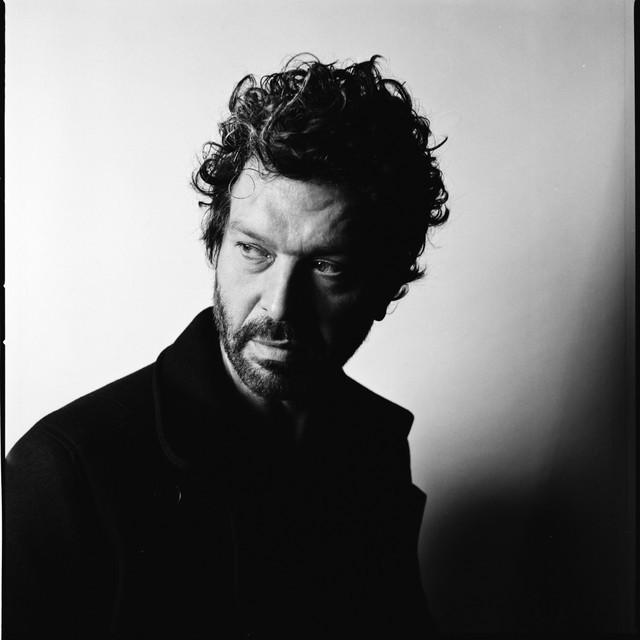
Doyle Bramhall II

Blues
Contemporary Blues
Blues Rock
 Viberate Rank: 75434
 Viberate Rank: 75434
 Monthly ListenersFollowers
 Subscribers
 Followers
 Followers
 FansTop Spotify SongsTop YouTube Videos
| Video | 7-Day Views | |
|---|---|---|
1 | 2.21K | |
2 | 1.16K | |
3 | 966 | |
4 | 591 | |
5 | 553 |
Monthly ListenersFeatured in Playlists| Playlist | Followers | |
|---|---|---|
1 |  This Is Tedeschi Trucks Band Spotify | 41.93K |
2 |  This Is Jerry Lee Lewis Spotify | 24.55K |
3 | Oldies But Goldies🎶🙌 Andreas (DJ Riga-cee) Rigazzi | 22.08K |
4 |  BLUES CLASSICS: 100 best songs Juan Ceñal | 19.84K |
5 | CORE DRIVE SONG BANK ashton_irwin | 18.63K |
Audience| City | Monthly Listeners | |
|---|---|---|
1 |  | 748 |
2 |  | 658 |
3 | | 604 |
4 | | 580 |
5 | | 505 |
See full performance history, audience data, playlist activity, rankings, comparisons, and more in Viberate music analytics. Start with a free trial, then continue with a paid plan.
Doyle Bramhall II’s Spotify BioDoyle Bramhall II was born in Austin, Texas on December 24, 1968, and his father, Doyle Bramhall, Sr., played drums with various bands, including Texas Storm, which he co-led with Jimmie Vaughan. Taking up the guitar, Doyle II followed his father into the world of the blues, touring with Vaughan's Fabulous Thunderbirds. Late in 1990 he formed a rock band, Arc Angels, with fellow guitarist Charlie Sexton. The other two members of the band were bass player Tommy Shannon and drummer Chris Layton, both former sidemen with Stevie Ray Vaughan. The Arc Angels folded in October 1993 and, after a period of treatment for substance abuse, Bramhall resumed his career, forming the Mighty Zor with Shannon and Layton (and occasionally Sexton).
In the mid-'90s, Bramhall released his own debut album and soon thereafter was in demand as a sideman with rock luminaries Roger Waters and Eric Clapton for tours and recording sessions. Clapton used two of Bramhall's compositions, "Marry You" and "I Wanna Be,"… on 2000's Riding with the King, recorded in collaboration with B.B. King. "Superman Inside," written by Bramhall with his wife, Susannah Melvoin, was recorded by Clapton on the following year's Reptile. Bramhall also led Smokestack, whose personnel included vocalist Melvoin, keyboard player Benmont Tench, guitarist Craig Ross, bass player Chris Bruce, and drummer J.J. Johnson.
Bramhall has earned considerable respect from a wide array of musicians for his work as a sideman and as a composer. Among artists with whom he has performed, and sometimes recorded, are his father (who passed away in 2011), C.C. Adcock, Sheryl Crow, Bettye LaVette, Lisa Marie Presley, and Susan Tedeschi. Bramhall continued to support luminaries throughout the 2000s and 2010s, returning to solo action in 2016 with Rich Man, his first album in 15 years. Two years later, he delivered Shades, his first album for Provogue Records. ~ TiVo Staff, Rovi
Viberate is a music analytics platform built for A&Rs, artist managers, labels, booking agents, marketers, and artists.
It helps music professionals track artist growth, analyze audience data, monitor playlist activity, compare artists, follow song performance, and identify opportunities across the music market.
Public artist pages provide a free preview of selected artist data. Paid plans provide access to deeper analytics, historical data, charts, comparisons, playlist tools, exports, alerts, reports, and additional professional features.
Yes. Public Viberate artist pages provide selected artist analytics and music data for free.
Viberate also offers a 7-day free trial of the full platform. A credit card is required to start the trial. The trial includes access to the complete product so users can test deeper artist analytics, historical views, playlist insights, comparisons, charts, exports, alerts, and reporting features before choosing a paid plan.
Viberate provides artist analytics across streaming, playlists, social media, video, radio airplay, songs, and audience markets.
Users can analyze Spotify performance, Spotify and Apple Music playlists, YouTube activity, TikTok and Instagram growth, radio spins, song performance, audience locations, demographics, rankings, and overall artist momentum.
Artist profiles also connect to music charts, similar artists, and comparison tools, helping users benchmark performance and evaluate artists in context.
Viberate updates key artist and track data daily.
For followed artists and tracks, selected data is refreshed multiple times per day. This helps teams monitor playlist changes, streaming movement, audience growth, releases, and campaign performance with more current data.
Update frequency can vary depending on the metric and data source.
Yes. Viberate lets users compare up to five artists side by side across streaming, social media, audience, and engagement metrics.
Users can compare fanbase growth, audience demographics, locations, Spotify performance, social metrics, and other artist data over selected time periods.
Artist comparison can be used for A&R scouting, benchmarking, booking decisions, campaign planning, and evaluating artists with similar audiences or market positions.