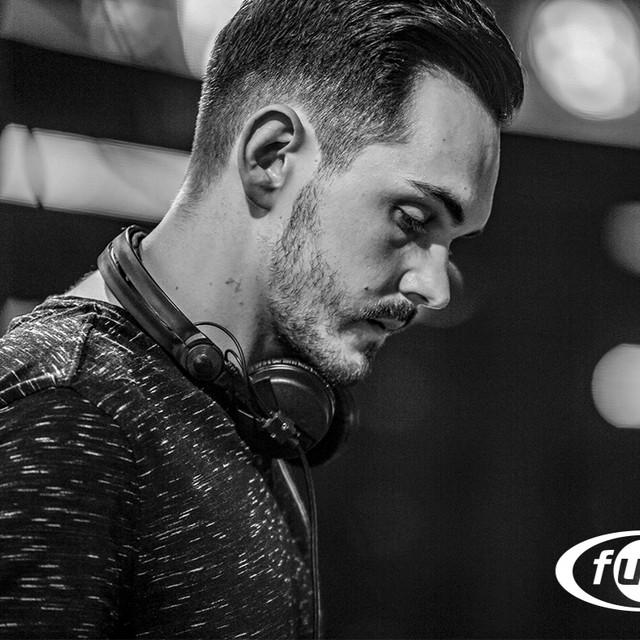
Downside

Electronic
Techno
 Viberate Rank: 247224
 Viberate Rank: 247224
 Monthly ListenersFollowers
 Subscribers
 Followers
 Followers
 FansTop Spotify Songs
| Track | 7-Day Streams | |
|---|---|---|
1 | 180 | |
2 | 135 | |
3 | 125 | |
4 | 86 | |
5 | 41 |
Top YouTube VideosMonthly ListenersFeatured in Playlists| Playlist | Followers | |
|---|---|---|
1 |  Beatport Best New Techno (Raw/Deep/Hypnotic) Beatport | 6.50K |
2 |  FJAAK's track IDs Felix Wagner | 6.44K |
3 |  Heard in Berghain Lady Jack | 5.28K |
4 |  Noir Recommends Noir | 4.40K |
5 |  Kater Blau Luke Spicer | 3.22K |
Audience| City | Monthly Listeners | |
|---|---|---|
1 |  | 106 |
2 |  | 33 |
3 |  | 31 |
4 | | 30 |
5 |  | 26 |
See full performance history, audience data, playlist activity, rankings, comparisons, and more in Viberate music analytics. Start with a free trial, then continue with a paid plan.
Downside’s Spotify BioFuse resident DJ and techno producer Downside is rapidly making a name for himself in the techno scene.
He is no newcomer to the Brussels underground, putting out music and organizing parties for more than a
decade.
For some historical context, Downside is a Brussels native with Bulgarian roots. Since 2007, he was already
out, raving and playing at parties. On his days off, you could find him delving into audio engineering,
obsessing over kick drums, compressors, recreating his favourite tracks from scratch. He kept at this for
years, and then started organizing his own events in Congres Station of Brussels, and saw some of his
original tracks released on German labels. His consistent output and activity led him into the Fuse Club’s
family, first as an audio engineer, then as a resident DJ, which puts him right at the heart of the future
direction of techno.
In his own sets, Downside combines deep techno and dub timbres with warmth and melody, but with a
precise, underground vibe. You’ll hear his… own tracks, blended with exactly what the audience needs, a skill
perfected by deep experience as a DJ and sound engineer in Belgium’s most legendary club.
Those in the know would be wise to keep an eye on Downside.
Viberate is a music analytics platform built for A&Rs, artist managers, labels, booking agents, marketers, and artists.
It helps music professionals track artist growth, analyze audience data, monitor playlist activity, compare artists, follow song performance, and identify opportunities across the music market.
Public artist pages provide a free preview of selected artist data. Paid plans provide access to deeper analytics, historical data, charts, comparisons, playlist tools, exports, alerts, reports, and additional professional features.
Yes. Public Viberate artist pages provide selected artist analytics and music data for free.
Viberate also offers a 7-day free trial of the full platform. A credit card is required to start the trial. The trial includes access to the complete product so users can test deeper artist analytics, historical views, playlist insights, comparisons, charts, exports, alerts, and reporting features before choosing a paid plan.
Viberate provides artist analytics across streaming, playlists, social media, video, radio airplay, songs, and audience markets.
Users can analyze Spotify performance, Spotify and Apple Music playlists, YouTube activity, TikTok and Instagram growth, radio spins, song performance, audience locations, demographics, rankings, and overall artist momentum.
Artist profiles also connect to music charts, similar artists, and comparison tools, helping users benchmark performance and evaluate artists in context.
Viberate updates key artist and track data daily.
For followed artists and tracks, selected data is refreshed multiple times per day. This helps teams monitor playlist changes, streaming movement, audience growth, releases, and campaign performance with more current data.
Update frequency can vary depending on the metric and data source.
Yes. Viberate lets users compare up to five artists side by side across streaming, social media, audience, and engagement metrics.
Users can compare fanbase growth, audience demographics, locations, Spotify performance, social metrics, and other artist data over selected time periods.
Artist comparison can be used for A&R scouting, benchmarking, booking decisions, campaign planning, and evaluating artists with similar audiences or market positions.