Double Eyelid

Metal
Gothic Metal
Darkwave
 Viberate Rank: 489895
 Viberate Rank: 489895
 Monthly ListenersFollowers
 Subscribers
 Followers
 Followers
 FansTop Spotify Songs
| Track | 7-Day Streams | |
|---|---|---|
1 | 66 | |
2 | 48 | |
3 | 36 | |
4 | 13 | |
5 | 13 |
Top YouTube VideosMonthly ListenersFeatured in Playlists| Playlist | Followers | |
|---|---|---|
1 |  Dark & Gothic Pete Mills | 177.03K |
2 |  Piano Relax (Instrumental) fran.robert | 29.46K |
3 |  Industrial Goth Club floweredcorpse | 20.86K |
4 |  Goth Dance Party vertical_illusion | 16.87K |
5 |  Dark/Wave • Post-Punk • Gothic Paddyjoe | 14.12K |
Audience| City | Monthly Listeners | |
|---|---|---|
1 |  | 18 |
2 |  | 13 |
3 |  | 12 |
4 | | 10 |
5 |  | 9 |
See full performance history, audience data, playlist activity, rankings, comparisons, and more in Viberate music analytics. Start with a free trial, then continue with a paid plan.
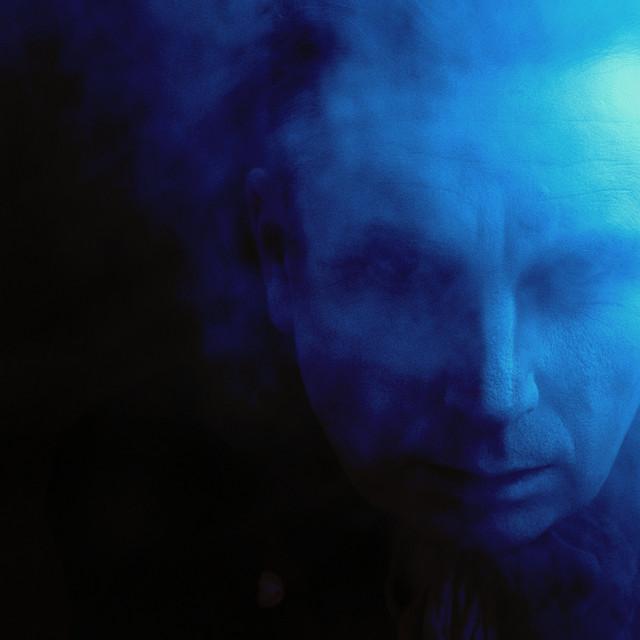
Double Eyelid’s Spotify BioDouble Eyelid is a gothic art rock project led by singer Ian Revell, its central and consistent member. Formed in Toronto (Canada), the project had its public debut in 2012 with the release of the first single and video, Dead Is Better, which caught the attention of listeners to gothic rock worldwide. But the debut album Seven Years showed the project was much more diverse and ambitious. A second art-film/video (by the later-acclaimed Japanese director Keishi Kondo) for the song Black Box was released in 2015, followed by 2016's Broken Mirror, an album of remixes by a roster of significant artists in the scene including Leæther Strip, nTTx, Tyler Milchmann, Psyche and the similarly-named Double Echo.
In the years since, the project has made numerous live appearances, featuring at high-profile goth and industrial festivals like Seattle's Mechanismus, Tampa's Absolution and Morecambe's Bats in the Attic (UK), with acts that include Black Rose Burning, Light Asylum, Empathy Test and Pani…c Priest. Single releases between 2020 and 2023 featured production work from Live Evil Productions and Adoration Destroyed's Erik Gustafson. 2025 finally saw the release of a new long-form work, an ambitious re-telling of Edgar Allan Poe's The Tell-Tale Heart, and a reunion with original producer Karl Mohr. A surprise release in January 2026 of a Bowie deep cut, No Control, seemed to strike a chord with DJs. The project is in a studio mode for 2026 - stay tuned.
Viberate is a music analytics platform built for A&Rs, artist managers, labels, booking agents, marketers, and artists.
It helps music professionals track artist growth, analyze audience data, monitor playlist activity, compare artists, follow song performance, and identify opportunities across the music market.
Public artist pages provide a free preview of selected artist data. Paid plans provide access to deeper analytics, historical data, charts, comparisons, playlist tools, exports, alerts, reports, and additional professional features.
Yes. Public Viberate artist pages provide selected artist analytics and music data for free.
Viberate also offers a 7-day free trial of the full platform. A credit card is required to start the trial. The trial includes access to the complete product so users can test deeper artist analytics, historical views, playlist insights, comparisons, charts, exports, alerts, and reporting features before choosing a paid plan.
Viberate provides artist analytics across streaming, playlists, social media, video, radio airplay, songs, and audience markets.
Users can analyze Spotify performance, Spotify and Apple Music playlists, YouTube activity, TikTok and Instagram growth, radio spins, song performance, audience locations, demographics, rankings, and overall artist momentum.
Artist profiles also connect to music charts, similar artists, and comparison tools, helping users benchmark performance and evaluate artists in context.
Viberate updates key artist and track data daily.
For followed artists and tracks, selected data is refreshed multiple times per day. This helps teams monitor playlist changes, streaming movement, audience growth, releases, and campaign performance with more current data.
Update frequency can vary depending on the metric and data source.
Yes. Viberate lets users compare up to five artists side by side across streaming, social media, audience, and engagement metrics.
Users can compare fanbase growth, audience demographics, locations, Spotify performance, social metrics, and other artist data over selected time periods.
Artist comparison can be used for A&R scouting, benchmarking, booking decisions, campaign planning, and evaluating artists with similar audiences or market positions.