Double Exposure

R&B
Soul
 Viberate Rank: 109003
 Viberate Rank: 109003
 Monthly ListenersFollowers
 Subscribers
 Followers
 Followers
 FansTop Spotify Songs
| Track | 7-Day Streams | |
|---|---|---|
1 | 15.11K | |
2 | 6.58K | |
3 | 4.95K | |
4 | 4.07K | |
5 | 3.55K |
Top YouTube Videos| Video | 7-Day Views | |
|---|---|---|
1 | 4.18K | |
2 | 256 |
Monthly ListenersFeatured in Playlists| Playlist | Followers | |
|---|---|---|
1 |  Lo Mejor de la Música DISCO since 70s 80s DISCO Music 🎧 SiHEZ 🎛 | 304.72K |
2 |  70s R&B/Soul - The Golden Era Raul Gabriel - Music | 159.65K |
3 |  Disco Classics 70 & 80 💃🕺 Sebastiaan de Vries | 77.76K |
4 |  Soul Train 70s Disco and Funk djlarras | 69.74K |
5 | wicks Brennan McDowell | 43.73K |
Audience| City | Monthly Listeners | |
|---|---|---|
1 |  | 3.65K |
2 | | 1.99K |
3 |  | 1.58K |
4 | | 1.57K |
5 | | 1.30K |
See full performance history, audience data, playlist activity, rankings, comparisons, and more in Viberate music analytics. Start with a free trial, then continue with a paid plan.
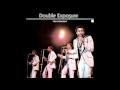
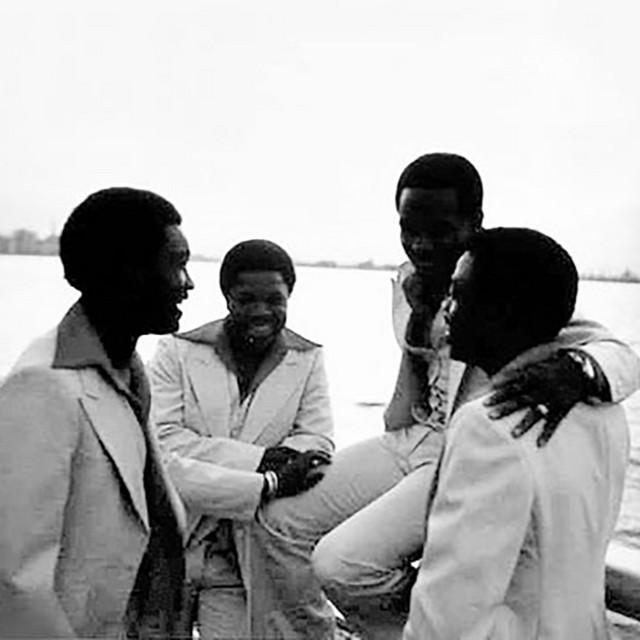
Double Exposure’s Spotify BioAn instant disco success in 1976, Double Exposure were also among the most seasoned vocal groups of the era with a strong foundation in traditional R&B. Previously known as United Image, the Philadelphians helped launch Salsoul Records with their dashing first single, "Ten Percent." DJ Walter Gibbons' remix of the song, the first commercial 12" single, catapulted the song to number two on Billboard's disco chart. Along with subsequent club hits "My Love Is Free" and "Everyman," "Ten Percent" was featured on the album of the same title, the first of three LPs the group recorded with production from MFSB co-founder Norman Harris and/or other major Philly associates. Following those Salsoul recordings, Double Exposure released a 1981 single on the smaller Gold Coast label, and reappeared in 2009 with "Soul Rece$$ion." They have continued to perform well into the 2020s.
Childhood friends who sang together in church choirs, Leonard "Butch" Davis, Joe Harris, Charles Whittington, and Jimmy… Williams formed United Image in 1961. They worked the chitlin circuit in the '60s, and in 1971 -- after they added Ron Aikens and linked with disc jockey and producer LeBaron Taylor -- cut a single for Stax subsidiary Volt, "Love's Creeping Up on Me" and "I'll Keep Coming Back." Subsequent work on an album with Bunny Sigler, Allan Felder, and Norman Harris was scrapped when Stax's distribution deal with CBS went sour. United Image rebounded in 1974 with "The African Bump," produced and independently released by Jesse James. Norman Harris arranged an audition for the group at the nascent Salsoul Records, which led to a deal and the singers partnering with Harris, production partners Ron Baker and Earl Young, and many other Philly soul luminaries.
The original quartet of singers renamed themselves Double Exposure and debuted in 1976 with "Ten Percent," produced by Norman Harris and written by Allan Felder and T.G. Conway. Remixed by club DJ Walter Gibbons, "Ten Percent" became the first commercially-released 12" single. It missed the top of Billboard's disco chart by one spot, and crossed over to the R&B and pop charts, peaking respectively at the 63rd and 54th positions. The full-length Ten Percent, also released in '76, boasted the additional charting singles "My Love Is Free" (number 15 disco, 44 R&B) and "Everyman" (number eight disco, 84 R&B), and made impressions on the pop and R&B album charts. Norman Harris, Ron Kersey, and Ron Tyson produced Fourplay, a 1978 follow-up containing a version of "Newsy Neighbors" (originally recorded by First Choice) that narrowly missed the pop chart. Third and final album Locker Room, helmed by Kersey, Bunny Sigler, Ron Baker, and Bruce Hawes, yielded "I Got the Hots for Ya," a number 33 R&B single that fared similarly on the disco chart.
Double Exposure fulfilled their contractual obligation to Salsoul and left the label in 1980. Although most of the singers got day jobs -- Jimmy Williams, the exception, briefly performed with the Trammps -- they returned in 1981 with "After All This Time," released on the Chicago-based Gold Coast label. Williams released a solo Salsoul single in 1983 and a lower-profile second single in 1987. Double Exposure performed occasionally with different lineups throughout the next few decades, during which they recorded only once, releasing "Soul Rece$$ion" in 2009. Williams died in 2016. Charles Whittington died seven years later. Fellow original members Leonard "Butch" Davis and Joe Harris continued to lead the group. ~ Andy Kellman, Rovi
Viberate is a music analytics platform built for A&Rs, artist managers, labels, booking agents, marketers, and artists.
It helps music professionals track artist growth, analyze audience data, monitor playlist activity, compare artists, follow song performance, and identify opportunities across the music market.
Public artist pages provide a free preview of selected artist data. Paid plans provide access to deeper analytics, historical data, charts, comparisons, playlist tools, exports, alerts, reports, and additional professional features.
Yes. Public Viberate artist pages provide selected artist analytics and music data for free.
Viberate also offers a 7-day free trial of the full platform. A credit card is required to start the trial. The trial includes access to the complete product so users can test deeper artist analytics, historical views, playlist insights, comparisons, charts, exports, alerts, and reporting features before choosing a paid plan.
Viberate provides artist analytics across streaming, playlists, social media, video, radio airplay, songs, and audience markets.
Users can analyze Spotify performance, Spotify and Apple Music playlists, YouTube activity, TikTok and Instagram growth, radio spins, song performance, audience locations, demographics, rankings, and overall artist momentum.
Artist profiles also connect to music charts, similar artists, and comparison tools, helping users benchmark performance and evaluate artists in context.
Viberate updates key artist and track data daily.
For followed artists and tracks, selected data is refreshed multiple times per day. This helps teams monitor playlist changes, streaming movement, audience growth, releases, and campaign performance with more current data.
Update frequency can vary depending on the metric and data source.
Yes. Viberate lets users compare up to five artists side by side across streaming, social media, audience, and engagement metrics.
Users can compare fanbase growth, audience demographics, locations, Spotify performance, social metrics, and other artist data over selected time periods.
Artist comparison can be used for A&R scouting, benchmarking, booking decisions, campaign planning, and evaluating artists with similar audiences or market positions.