Dorothy Ashby

Jazz
Bebop
Swing
 Viberate Rank: 61872
 Viberate Rank: 61872
 Monthly ListenersFollowers
 Subscribers
 Followers
 Followers
 FansTop Spotify Songs
| Track | 7-Day Streams | |
|---|---|---|
1 | 45.06K | |
2 | 34.46K | |
3 | 12.69K | |
4 | 12.54K | |
5 | 11.97K |
Top YouTube VideosMonthly ListenersFeatured in Playlists| Playlist | Followers | |
|---|---|---|
1 |  🪐🪐🪐🪐🪐🪐🪐🪐☼:̴͓̞̑̌̂̆̊͋̀:̸͎̟̯̂̓̌:̶̢͙͙͕̠̩͆ ⃝🟠 ̴̤̻̀(̵̙̺̳̩͐͗́͑͋̓̕͜ͅ(̵̺͖̤͌͂͑̐̕o̶̢̘͔̒̈̑̒͊v̴̢͚͚͎͎̞͒͊̎ȯ̶̞̮͖̑̈́̿ ☼:̴͓̞̑̌̂̆̊͋̀:̸͎̟̯̂̓̌:̶̢͙͙͕̠̩͆(̷̮͍͚̫͚͂̍)̵̳̗̊( 🟠🟢⦿🔵🟡\̸̧͔̰̳̦̣̪̈̏̓ ̴̡̛̅͐͛̀̽/̶̱̼̣̤̰̲̣̈́̋͌̿̄̍̊\̴̲̣̝̀͜ͅ🔴🫧✨🫧 ̵̨̛̱̥͕́̎́̐͝/̸̠̜̅̐͊̋̿̐̓\̸̧͔̰̳̦̣̪̈̏̓ ̴̡̛̅͐͛̀̽🥏🟠/̶̱̼̣̤̰̲̣̈́̋͌̿̄̍̊\̴̲̣̝̀͜ͅ💥 ̸̝̮̟̹̀̆̋̿ ̴̤̻̀🥭(̵̙̺̳̩͐͗́͑͋̓̕͜ͅ(̵̺͖̤͌͂͑̐̕o̶̢̘͔̒̈̑̒͊🔵:̸͎̟̯̂̓̌:̶̢͙͙͕̠̩͆(̷̮͍͚̫͚͂̍)̵̳̗̊(🟠🪐 Four Tet | 210.48K |
2 |  Turntable Spotify | 196.16K |
3 |  Wine Bar Spotify | 158.53K |
4 |  Elevator Music Smash Meatchunk | 136.30K |
5 | While You Work (@whileyouwork) Eli Feghali | 81.75K |
Audience| City | Monthly Listeners | |
|---|---|---|
1 |  | 8.09K |
2 | | 7.45K |
3 | | 6.89K |
4 | | 6.17K |
5 | | 4.08K |
See full performance history, audience data, playlist activity, rankings, comparisons, and more in Viberate music analytics. Start with a free trial, then continue with a paid plan.
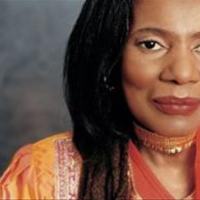
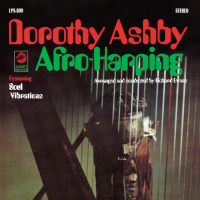
Dorothy Ashby’s Spotify BioHarpist Dorothy Ashby was one of the very first to bring the harp into a prominent role in jazz. In the late '50s, Ashby started releasing albums where her harp was the lead instrument, whereas beforehand, harp in jazz contexts was mostly relegated to backing texture or flourishes. Though Ashby worked as a side player for many big names throughout her career, her records as a leader were her most important contribution to jazz on the whole, growing from roots in bebop on sets like 1958's Hip Harp to incorporate elements of Brazilian music, electrified soul, world influences, and even psychedelia on efforts like her especially tuned-in 1968 album Afro-Harping. Ashby remained active up until her death in the late '80s, and the influence of her visionary work can be heard in subsequent generations of harp players expanding the boundaries of genre and expression.
Ashby was born Dorothy Jeanne Thompson in Detroit in 1932. She grew up in a family connected to Detroit's jazz scene and was… playing piano at a young age. After graduating from Wayne State University with a major in piano, Ashby switched her main instrument from piano to harp around 1952. At the time, harp was seldom seen in jazz circles and largely considered more of a classical instrument. Ashby pioneered jazz harp, working with saxophonist/flutist Frank Wess on 1957's The Jazz Harpist and two 1958 outings, Hip Harp and In a Minor Groove, to find a sound that let harp lead standards and bop numbers. This approach was all but unheard of at the time, and Ashby continued releasing harp-centered jazz albums throughout the '60s, including efforts like 1965's The Fantastic Jazz Harp of Dorothy Ashby for Atlantic Records. In the late '60s, Ashby's music expanded somewhat, incorporating more wide-reaching styles on the psychedelic soul jazz of 1968's monumental Afro-Harping and 1969's Dorothy's Harp. In 1970, she released the even more experimental album The Rubaiyat of Dorothy Ashby, which found her playing both harp and koto on funky, somewhat orchestral soul jazz tracks. The album even found Ashby singing on a few tracks, and a larger band was arranged and conducted by Richard Evans. Throughout the '70s and into the '80s, Ashby played harp on records by Bill Withers, Stevie Wonder, Stanley Turrentine, and Minnie Riperton, among many other jazz and soul greats, and she released a few more records of her own before dying of cancer in 1986.
Ashby's trailblazing as a jazz harpist unconcerned with conforming to the expected opened doors for everyone who followed. Even by the mid-'60s, Ashby was trading notes with fellow Detroit-born harpist and contemporary peer Alice Coltrane, and in the years after her death, ripples of Ashby's influence can be heard not just in harpists like Brandee Younger and Zeena Parkins, but in certain spheres of indie rock, rap, experimental music, and beyond.
In 2023, box set release With Strings Attached, 1957-1965 remastered Ashby's first six albums, giving new listeners a chance to own her long-out-of-print early catalog. ~ Fred Thomas, Rovi
Viberate is a music analytics platform built for A&Rs, artist managers, labels, booking agents, marketers, and artists.
It helps music professionals track artist growth, analyze audience data, monitor playlist activity, compare artists, follow song performance, and identify opportunities across the music market.
Public artist pages provide a free preview of selected artist data. Paid plans provide access to deeper analytics, historical data, charts, comparisons, playlist tools, exports, alerts, reports, and additional professional features.
Yes. Public Viberate artist pages provide selected artist analytics and music data for free.
Viberate also offers a 7-day free trial of the full platform. A credit card is required to start the trial. The trial includes access to the complete product so users can test deeper artist analytics, historical views, playlist insights, comparisons, charts, exports, alerts, and reporting features before choosing a paid plan.
Viberate provides artist analytics across streaming, playlists, social media, video, radio airplay, songs, and audience markets.
Users can analyze Spotify performance, Spotify and Apple Music playlists, YouTube activity, TikTok and Instagram growth, radio spins, song performance, audience locations, demographics, rankings, and overall artist momentum.
Artist profiles also connect to music charts, similar artists, and comparison tools, helping users benchmark performance and evaluate artists in context.
Viberate updates key artist and track data daily.
For followed artists and tracks, selected data is refreshed multiple times per day. This helps teams monitor playlist changes, streaming movement, audience growth, releases, and campaign performance with more current data.
Update frequency can vary depending on the metric and data source.
Yes. Viberate lets users compare up to five artists side by side across streaming, social media, audience, and engagement metrics.
Users can compare fanbase growth, audience demographics, locations, Spotify performance, social metrics, and other artist data over selected time periods.
Artist comparison can be used for A&R scouting, benchmarking, booking decisions, campaign planning, and evaluating artists with similar audiences or market positions.