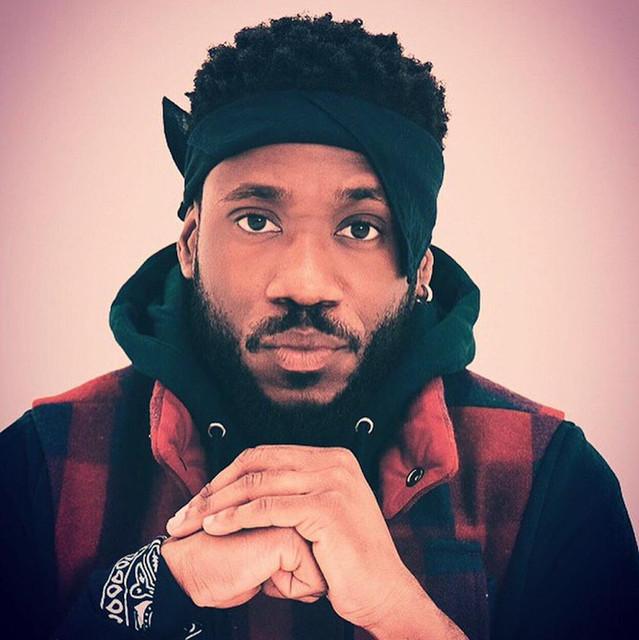
Dornik

R&B
Contemporary R&B
Alternative R&B
 Viberate Rank: 126246
 Viberate Rank: 126246
 Monthly ListenersFollowers
 Subscribers
 Followers
 Followers
 FansTop Spotify Songs
| Track | 7-Day Streams | |
|---|---|---|
1 | 6.82K | |
2 | 3.56K | |
3 | 2.90K | |
4 | 1.70K | |
5 | 529 |
Top YouTube VideosMonthly ListenersFeatured in Playlists| Playlist | Followers | |
|---|---|---|
1 |  real good shit Tom Misch | 165.62K |
2 |  TheSoundYouNeed TheSoundYouNeed | 107.46K |
3 |  Love Island 2018 Love Island | 38.51K |
4 |  Love Island 2017 Love Island | 29.75K |
5 |  This Is SG Lewis Spotify | 27.87K |
Audience| City | Monthly Listeners | |
|---|---|---|
1 | | 542 |
2 |  | 297 |
3 | | 240 |
4 |  | 216 |
5 | | 213 |
See full performance history, audience data, playlist activity, rankings, comparisons, and more in Viberate music analytics. Start with a free trial, then continue with a paid plan.
Dornik’s Spotify BioSelf-termed "electronic soul" artist Dornik arrived during the first half of the 2010s as one of the most unique and promising voices in R&B. The multi-instrumentalist, singer, songwriter, and producer has two albums two his credit, Dornik (2015) and Limboland (2020), and counts Jessie Ware, Zo!, and Alfa Mist and Emmavie among the artists he has supported as a collaborator.
Introduced to music by his parents -- named Dorothy and Nick, hence his given name -- Dornik Leigh started playing drums and got into a production as a youngster growing up in South London, specifically Croydon. In 2011, he formed TURTL, a band that included bassist Rocco Palladino (son of low-end master Pino Palladino). The two were among the members who also took gigs as part of Jessie Ware's backing band. Dornik stood out when he would duet, in place of Sampha, with Ware on "Valentine." Ware, also floored by some of Dornik's home recordings, returned the favor by encouraging Dornik's alliance with PMR, the… Island-supported label to which she was signed.
Dornik made his PMR debut in 2013 with "Something About You," a sweet midtempo single that fell somewhere between Frank Ocean and Musiq (Soulchild). Additional singles throughout 2014, highlighted by "On My Mind" and "Drive," prompted a wide swath of comparisons, including many to Michael Jackson, likely due to Dornik's unassuming yet assured vocals that recalled MJ's approach on songs like "I Can't Help It" and "Butterflies." Dornik's self-titled debut, featuring most of the singles that preceded it, followed in 2015.
Between solo projects, Dornik made an overseas connection with Zo! and Phonte that resulted in "Lifelines," off the former's SkyBreak album, and another with Syd of the Internet, the standalone track "Amazing." His second album, the more expansive Limboland, was self-released in March 2020 with a guest list including Phonte, Gavin Turek, Barney Artist, and Taylor Graves. Within a month, Dornik was credited as co-producer of Alfa Mist and Emmavie's "Fly Away." ~ Andy Kellman
Viberate is a music analytics platform built for A&Rs, artist managers, labels, booking agents, marketers, and artists.
It helps music professionals track artist growth, analyze audience data, monitor playlist activity, compare artists, follow song performance, and identify opportunities across the music market.
Public artist pages provide a free preview of selected artist data. Paid plans provide access to deeper analytics, historical data, charts, comparisons, playlist tools, exports, alerts, reports, and additional professional features.
Yes. Public Viberate artist pages provide selected artist analytics and music data for free.
Viberate also offers a 7-day free trial of the full platform. A credit card is required to start the trial. The trial includes access to the complete product so users can test deeper artist analytics, historical views, playlist insights, comparisons, charts, exports, alerts, and reporting features before choosing a paid plan.
Viberate provides artist analytics across streaming, playlists, social media, video, radio airplay, songs, and audience markets.
Users can analyze Spotify performance, Spotify and Apple Music playlists, YouTube activity, TikTok and Instagram growth, radio spins, song performance, audience locations, demographics, rankings, and overall artist momentum.
Artist profiles also connect to music charts, similar artists, and comparison tools, helping users benchmark performance and evaluate artists in context.
Viberate updates key artist and track data daily.
For followed artists and tracks, selected data is refreshed multiple times per day. This helps teams monitor playlist changes, streaming movement, audience growth, releases, and campaign performance with more current data.
Update frequency can vary depending on the metric and data source.
Yes. Viberate lets users compare up to five artists side by side across streaming, social media, audience, and engagement metrics.
Users can compare fanbase growth, audience demographics, locations, Spotify performance, social metrics, and other artist data over selected time periods.
Artist comparison can be used for A&R scouting, benchmarking, booking decisions, campaign planning, and evaluating artists with similar audiences or market positions.