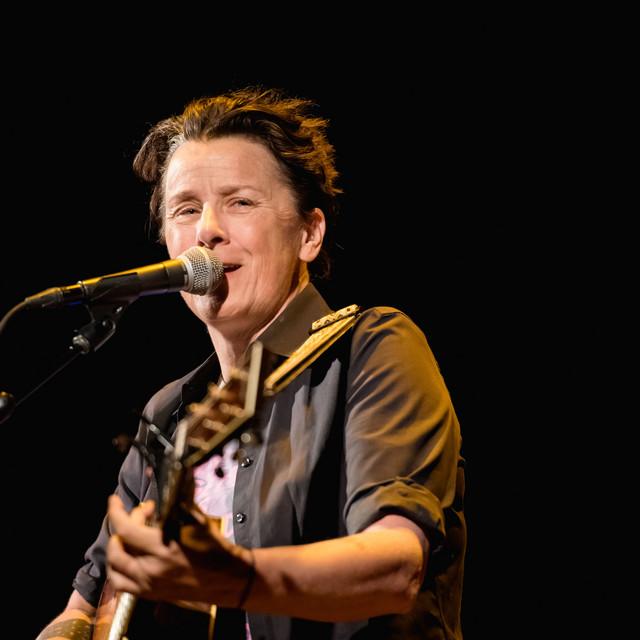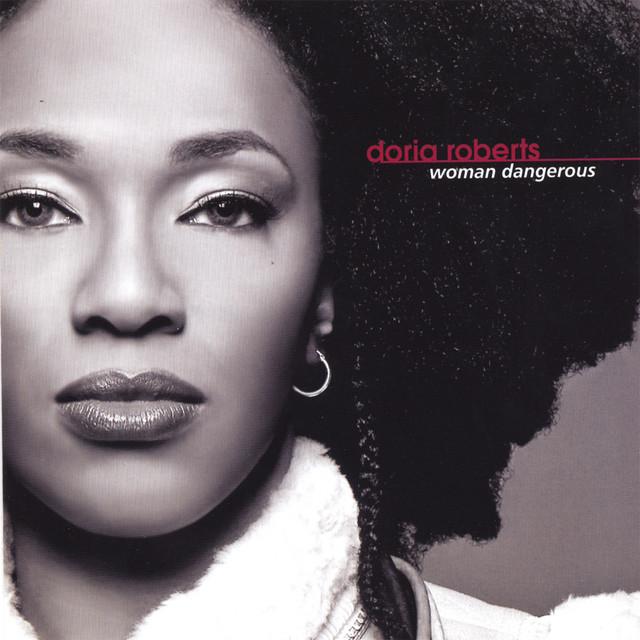
Doria Roberts

Rock
Folk Rock
Indie Rock
Soul
 Viberate Rank: 467994
 Viberate Rank: 467994
 Monthly ListenersFollowers
 Subscribers
 Followers
 Followers
 FansTop Spotify Songs
| Track | 7-Day Streams | |
|---|---|---|
1 | 317 | |
2 | 43 | |
3 | 35 | |
4 | 20 | |
5 | 16 |
Top YouTube Videos| Video | 7-Day Views | |
|---|---|---|
1 | 2 | |
2 | 1 |
Monthly ListenersFeatured in Playlists| Playlist | Followers | |
|---|---|---|
1 | Lilith Fair 97-99 Completist Playlist Jessica Hopper | 10.90K |
2 | actual gay people music dani | 4.36K |
3 |  Lesbian 90s 🏳️🌈 blueeyedmarissa | 2.98K |
4 |  gay girls l*cinda | 2.42K |
5 |  sapphic songs - masterplaylist sapphicplaylists | 2.06K |
Audience| City | Monthly Listeners | |
|---|---|---|
1 | | 31 |
2 | | 23 |
3 | | 22 |
4 | | 22 |
5 | | 19 |
See full performance history, audience data, playlist activity, rankings, comparisons, and more in Viberate music analytics. Start with a free trial, then continue with a paid plan.
Doria Roberts’ Spotify BioBeing raised in Philadelphia and based in Atlanta may explain why Doria Roberts so seamlessly melds a certain urban attitude and soul fullness with an easy going, folk accessibility; comfortable and capable alone with an acoustic guitar or in front of an ensemble, Roberts did not even play guitar until her senior year at the University of Pennsylvania as a break from her East Asian studies schoolwork. From this stress release-induced beginning, a songwriter was born. Attaching herself to the musical apron strings of such greats as Nina Simone, Janis Ian, Billie Holiday, and John Lennon, with a dash of the upstart spirit she admired in Patti Smith and Ani DiFranco, Roberts found her voice as a thoughtful, provocative artist and an additional outlet for her political activism. As a proudly out lesbian, she has performed at numerous Gay Pride Festivals, the Michigan Womyn's Music Festival, Lilith Fair, and the Montreux Music Festival. "Perfect" from 1999's Restoration was nominated in the… Best Pop Recording category at the 2000 Gay & Lesbian American Music Awards alongside Toshi Reagon, Luscious Jackson, and Me'shell Ndegéocello. Since 1995, Roberts has also organized Queerstock, a touring showcase of eclectic gay and lesbian musicians. Add to this the fact that she founded and runs her own independent label, Hurricane Doria Records, and appeared with Amy Ray of the Indigo Girls, Jane Siberry, and DiFranco in the documentary For the Love of Rock, which features women in the world of independent music. Still, she has enough energy and inspiration to write and record heartfelt songs of love and life that leave the listener satisfied, but wanting more. Radio Doria was released in November 2000. ~ Kelly McCartney, Rovi
Viberate is a music analytics platform built for A&Rs, artist managers, labels, booking agents, marketers, and artists.
It helps music professionals track artist growth, analyze audience data, monitor playlist activity, compare artists, follow song performance, and identify opportunities across the music market.
Public artist pages provide a free preview of selected artist data. Paid plans provide access to deeper analytics, historical data, charts, comparisons, playlist tools, exports, alerts, reports, and additional professional features.
Yes. Public Viberate artist pages provide selected artist analytics and music data for free.
Viberate also offers a 7-day free trial of the full platform. A credit card is required to start the trial. The trial includes access to the complete product so users can test deeper artist analytics, historical views, playlist insights, comparisons, charts, exports, alerts, and reporting features before choosing a paid plan.
Viberate provides artist analytics across streaming, playlists, social media, video, radio airplay, songs, and audience markets.
Users can analyze Spotify performance, Spotify and Apple Music playlists, YouTube activity, TikTok and Instagram growth, radio spins, song performance, audience locations, demographics, rankings, and overall artist momentum.
Artist profiles also connect to music charts, similar artists, and comparison tools, helping users benchmark performance and evaluate artists in context.
Viberate updates key artist and track data daily.
For followed artists and tracks, selected data is refreshed multiple times per day. This helps teams monitor playlist changes, streaming movement, audience growth, releases, and campaign performance with more current data.
Update frequency can vary depending on the metric and data source.
Yes. Viberate lets users compare up to five artists side by side across streaming, social media, audience, and engagement metrics.
Users can compare fanbase growth, audience demographics, locations, Spotify performance, social metrics, and other artist data over selected time periods.
Artist comparison can be used for A&R scouting, benchmarking, booking decisions, campaign planning, and evaluating artists with similar audiences or market positions.