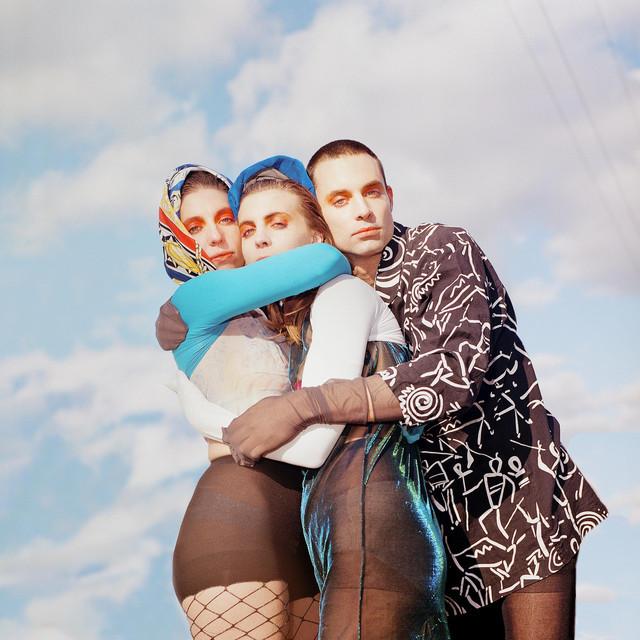
Doomsquad

Rock
Pop Rock
Indie Rock
 Viberate Rank: 425793
 Viberate Rank: 425793
 Monthly ListenersFollowers
 Subscribers
 Followers
 Followers
 FansTop Spotify Songs
| Track | 7-Day Streams | |
|---|---|---|
1 | 37 | |
2 | 30 | |
3 | 13 | |
4 | 13 | |
5 | 10 |
Top YouTube VideosMonthly ListenersFeatured in Playlists| Playlist | Followers | |
|---|---|---|
1 | Gothic / Cold wave / Dark wave / New wave / Synth / Post punk / Witch house Anna St Ortiz | 30.10K |
2 |  Zai Music Louis | 8.25K |
3 |  Indigenous Canada BOYCOTT SP0T!FY | 6.89K |
4 |  Indigenous: First Nations - Metis - Inuit Dustin Riel McGladrey | 3.19K |
5 | Official SXSW Music 2015 Complete Playlist SXSW | 2.40K |
Audience| City | Monthly Listeners | |
|---|---|---|
1 | | 21 |
2 | | 15 |
3 |  | 9 |
4 | | 6 |
5 | | 5 |
See full performance history, audience data, playlist activity, rankings, comparisons, and more in Viberate music analytics. Start with a free trial, then continue with a paid plan.
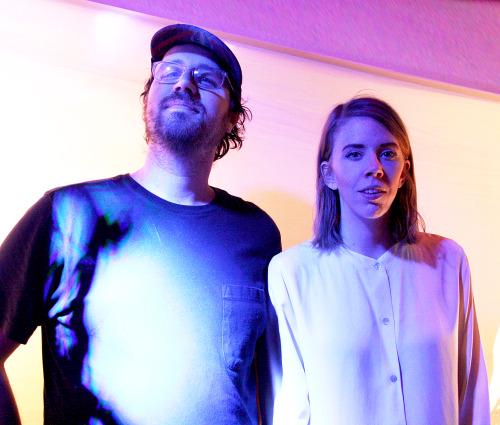
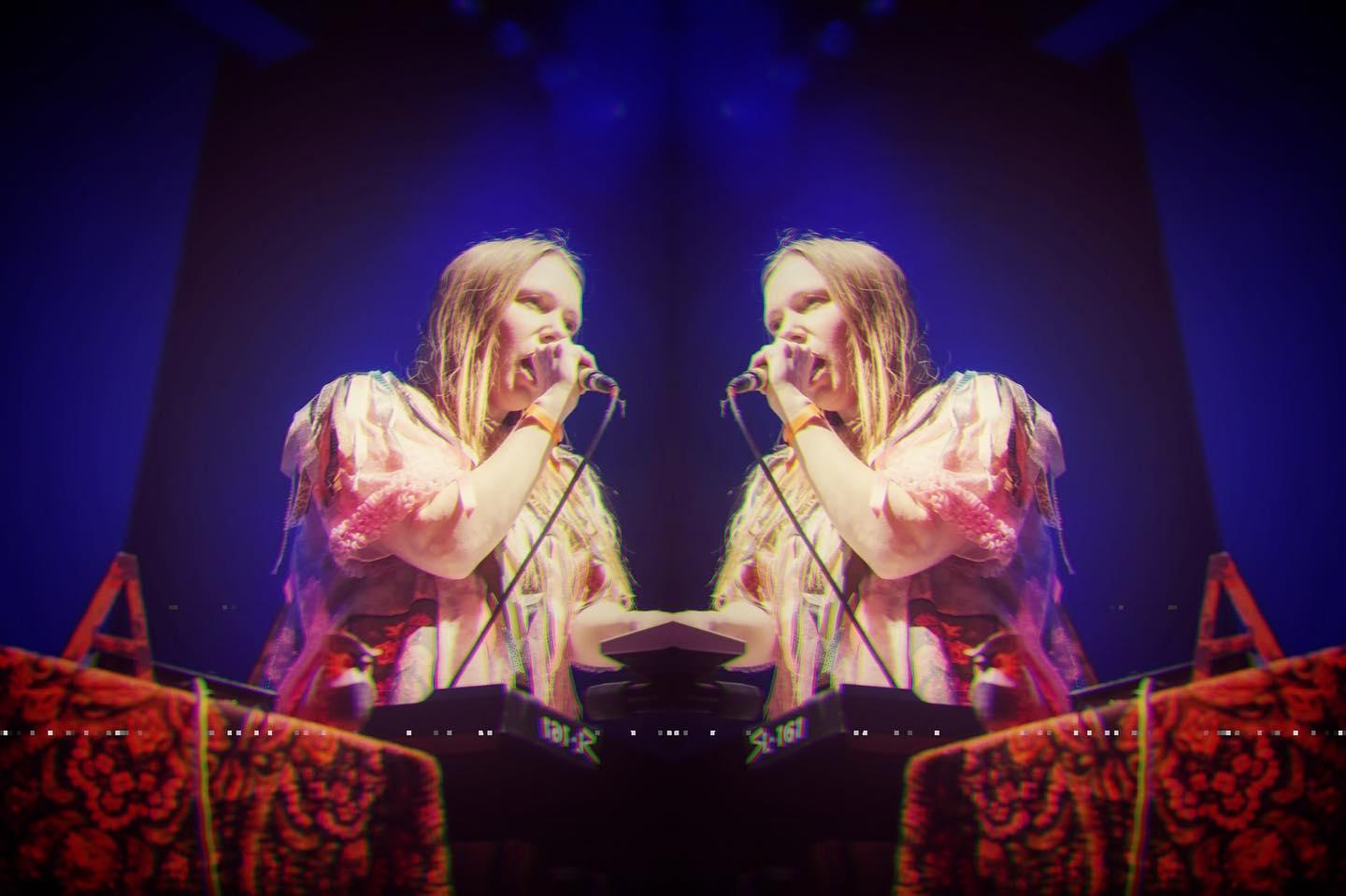
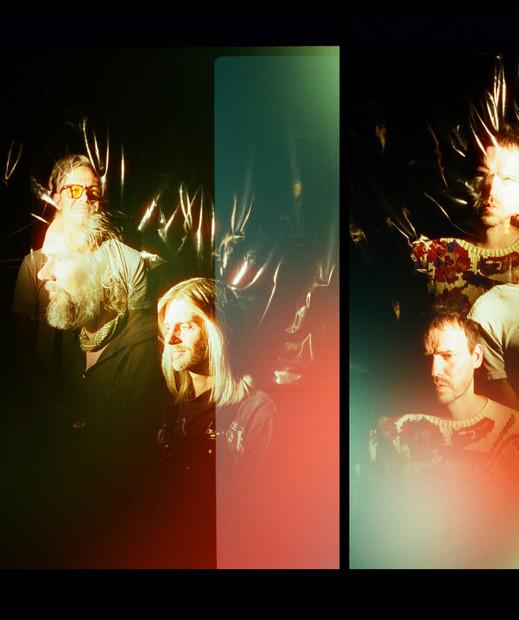
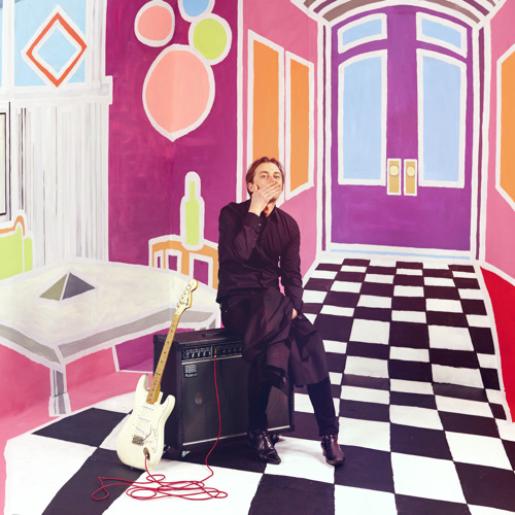
Doomsquad’s Spotify BioDoomsquad was a genre-defying music trio consisting of siblings Trevor, Jaclyn & Allie Blumas. Starting in a basement in Toronto back in 2011, and sprawled out over the course of 3 critically acclaimed albums, several EPs and their Spandrels series, their evolving sound channeled post-punk, electronica, acid house, new age, ambient dub, folk and psych rock into a unique sound that was distinctly theirs. The band’s live show was equally distinct, merging elements of performance art with rave culture . Their approach to music was rooted in intuition, catharsis, and improvisation, hence why their sounds and styles was always changing. Wearing their politics on their sleeve, Doomsquad’s musical mission was simple and defined: to liberate the body through music. Their borrowed slogan from feminist anarchist Emma Goldman says it all: “If I can’t dance to it, it’s not my revolution.”
The band’s unique position in music as a hybrid act straddling many sounds is reflected in the acts they toured… and/or collaborated with, such as Inuk throat singer Tanya Tagaq, hardcore pioneers Fucked Up, pop iconoclast Peaches, electronic wizards Holy Fuck and avant- grade singer Mary Margaret O'Hara.
Viberate is a music analytics platform built for A&Rs, artist managers, labels, booking agents, marketers, and artists.
It helps music professionals track artist growth, analyze audience data, monitor playlist activity, compare artists, follow song performance, and identify opportunities across the music market.
Public artist pages provide a free preview of selected artist data. Paid plans provide access to deeper analytics, historical data, charts, comparisons, playlist tools, exports, alerts, reports, and additional professional features.
Yes. Public Viberate artist pages provide selected artist analytics and music data for free.
Viberate also offers a 7-day free trial of the full platform. A credit card is required to start the trial. The trial includes access to the complete product so users can test deeper artist analytics, historical views, playlist insights, comparisons, charts, exports, alerts, and reporting features before choosing a paid plan.
Viberate provides artist analytics across streaming, playlists, social media, video, radio airplay, songs, and audience markets.
Users can analyze Spotify performance, Spotify and Apple Music playlists, YouTube activity, TikTok and Instagram growth, radio spins, song performance, audience locations, demographics, rankings, and overall artist momentum.
Artist profiles also connect to music charts, similar artists, and comparison tools, helping users benchmark performance and evaluate artists in context.
Viberate updates key artist and track data daily.
For followed artists and tracks, selected data is refreshed multiple times per day. This helps teams monitor playlist changes, streaming movement, audience growth, releases, and campaign performance with more current data.
Update frequency can vary depending on the metric and data source.
Yes. Viberate lets users compare up to five artists side by side across streaming, social media, audience, and engagement metrics.
Users can compare fanbase growth, audience demographics, locations, Spotify performance, social metrics, and other artist data over selected time periods.
Artist comparison can be used for A&R scouting, benchmarking, booking decisions, campaign planning, and evaluating artists with similar audiences or market positions.