DOOM GONG

Rock
Psychedelic Rock
 Viberate Rank: 150500
 Viberate Rank: 150500
 Monthly ListenersFollowers
 Subscribers
 Followers
 Followers
 FansTop Spotify Songs
| Track | 7-Day Streams | |
|---|---|---|
1 | 1.19K | |
2 | 944 | |
3 | 609 | |
4 | 480 | |
5 | 423 |
Top YouTube VideosMonthly ListenersFeatured in Playlists| Playlist | Followers | |
|---|---|---|
1 |  Compact Cassette David Dean Burkhart | 60.73K |
2 |  Facemelts November 2026 Facemelts | 35.03K |
3 |  New Indie 2025 Indie & Folk Radio | 10.29K |
4 |  Neo Psychedelia Lis Wonderland | 5.74K |
5 |  Vinyl Moon MonkeyPockets | 4.00K |
Audience| City | Monthly Listeners | |
|---|---|---|
1 | | 192 |
2 | | 148 |
3 | | 138 |
4 | | 123 |
5 | | 121 |
See full performance history, audience data, playlist activity, rankings, comparisons, and more in Viberate music analytics. Start with a free trial, then continue with a paid plan.
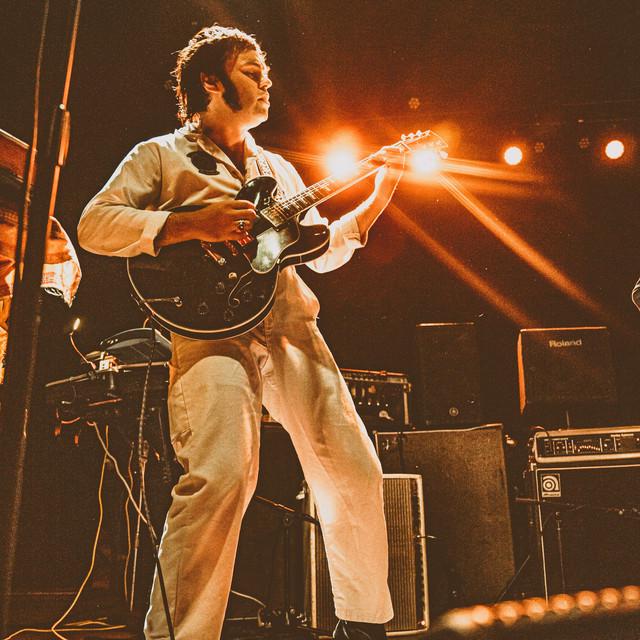
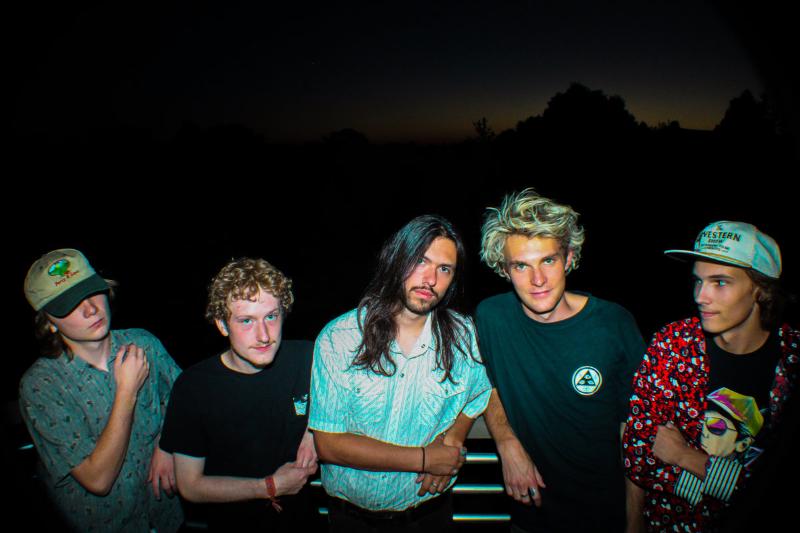
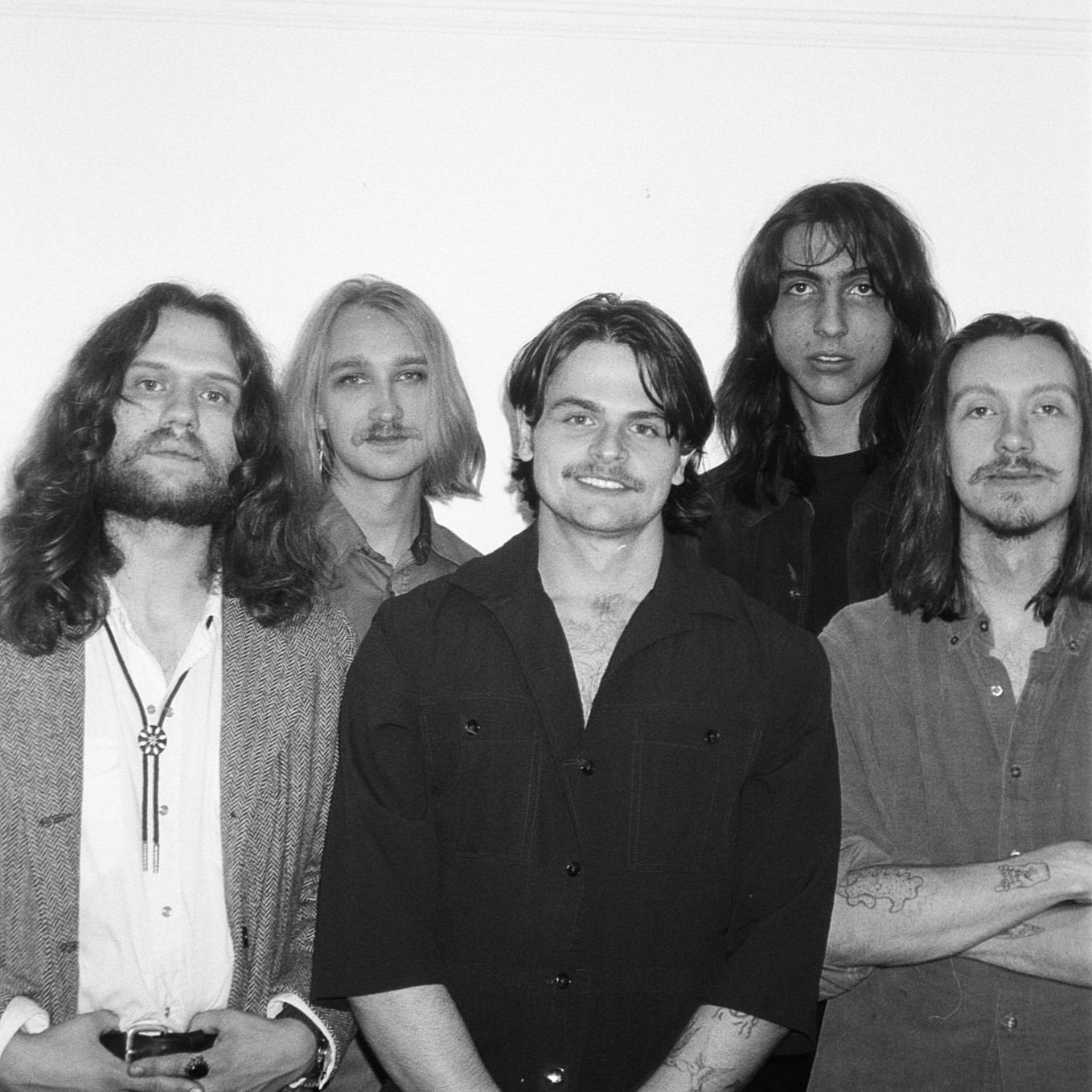
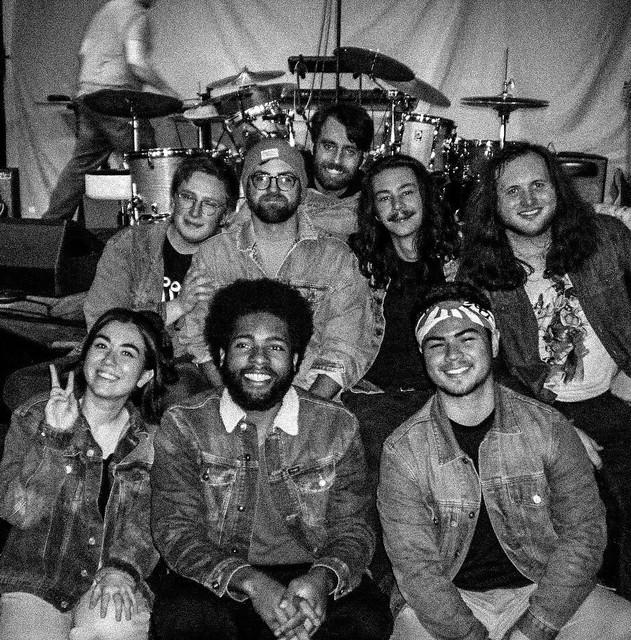
DOOM GONG’s Spotify BioFormed in 2022 in Louisville, Kentucky, U.S.A. by 7 music school nerds, DOOM GONG has made a name for themselves internationally with their own home-baked genre, Denim Psych - a hodgepodge of psychedelic rock, jazz fusion, bedroom pop, lo-fi, contemporary classical music, as well as blood, sweat, and a lot of denim.
Having only released their first two LP’s in 2023 (DOOM GONG and Dream Behemoth ), DOOM GONG has quickly become a mainstay of the psych scene in the U.S. and abroad, performing their enigmatic and seamless live shows alongside the likes of Amyl and The Sniffers, The Black Angels, BADBADNOTGOOD, Allah-Las, King Buffalo, Bass Drum of Death, Death Valley Girls , Holy Wave, Gustaf, Ron Gallo and many others at music festivals including Treefort Music Fest (US), Sled Island (CAN), Purple City Music Festival (CAN), Big Stomp (US) Back Alley Ballyhoo (US), Wagner Subaru Outdoor Experience (US), Swampfest (CAN), Expansion Psychedelic Festival (US), and Moonshiners Ball (US).
In… 2024, DOOM GONG launched their international presence, completing two summer tours consisting of 24 shows across the eastern United States and Canada with immense reception. In 2025, DOOM GONG will be releasing their long awaited 3rd LP entitled “MEGAGONG” along with a MASSIVE international tour (US, Canada, Europe)
THE GONG RINGS ON
Viberate is a music analytics platform built for A&Rs, artist managers, labels, booking agents, marketers, and artists.
It helps music professionals track artist growth, analyze audience data, monitor playlist activity, compare artists, follow song performance, and identify opportunities across the music market.
Public artist pages provide a free preview of selected artist data. Paid plans provide access to deeper analytics, historical data, charts, comparisons, playlist tools, exports, alerts, reports, and additional professional features.
Yes. Public Viberate artist pages provide selected artist analytics and music data for free.
Viberate also offers a 7-day free trial of the full platform. A credit card is required to start the trial. The trial includes access to the complete product so users can test deeper artist analytics, historical views, playlist insights, comparisons, charts, exports, alerts, and reporting features before choosing a paid plan.
Viberate provides artist analytics across streaming, playlists, social media, video, radio airplay, songs, and audience markets.
Users can analyze Spotify performance, Spotify and Apple Music playlists, YouTube activity, TikTok and Instagram growth, radio spins, song performance, audience locations, demographics, rankings, and overall artist momentum.
Artist profiles also connect to music charts, similar artists, and comparison tools, helping users benchmark performance and evaluate artists in context.
Viberate updates key artist and track data daily.
For followed artists and tracks, selected data is refreshed multiple times per day. This helps teams monitor playlist changes, streaming movement, audience growth, releases, and campaign performance with more current data.
Update frequency can vary depending on the metric and data source.
Yes. Viberate lets users compare up to five artists side by side across streaming, social media, audience, and engagement metrics.
Users can compare fanbase growth, audience demographics, locations, Spotify performance, social metrics, and other artist data over selected time periods.
Artist comparison can be used for A&R scouting, benchmarking, booking decisions, campaign planning, and evaluating artists with similar audiences or market positions.