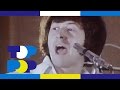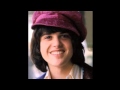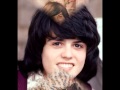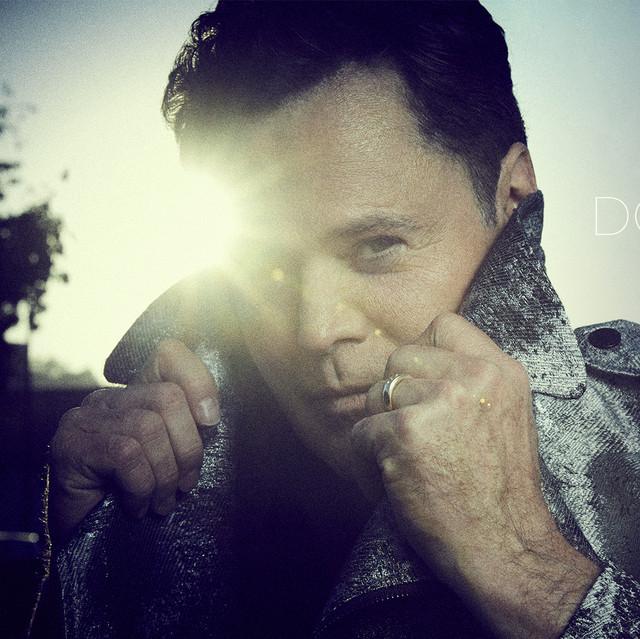
Donny Osmond

Pop
Mainstream Pop
 Viberate Rank: 10049
 Viberate Rank: 10049
 Monthly ListenersFollowers
 Subscribers
 Followers
 Followers
 FansTop Spotify Songs
| Track | 7-Day Streams | |
|---|---|---|
1 | 1.30M | |
2 | 21.95K | |
3 | 19.51K | |
4 | 15.95K | |
5 | 10.37K |
Top YouTube Videos| Video | 7-Day Views | |
|---|---|---|
1 | 14.44K | |
2 | 2.70K | |
3 | 2.69K | |
4 | 1.36K | |
5 | 1.00K |
Monthly ListenersFeatured in Playlists| Playlist | Followers | |
|---|---|---|
1 |  Disney Hits Spotify | 5.86M |
2 |  Disney Favorites Spotify | 2.08M |
3 |  Disney Sing-Alongs Spotify | 1.19M |
4 |  Disney Princess Spotify | 1.03M |
5 | 100 Best Disney Songs of All Time 1rene78 | 595.91K |
Audience| City | Monthly Listeners | |
|---|---|---|
1 |  | 51.05K |
2 |  | 40.16K |
3 | | 36.70K |
4 | | 35.14K |
5 | | 30.14K |
See full performance history, audience data, playlist activity, rankings, comparisons, and more in Viberate music analytics. Start with a free trial, then continue with a paid plan.
Donny Osmond’s Spotify BioDonny Osmond has been in show business from an age when most children are getting used to going to school in the morning, and in a career that's spanned over six decades, he's made a name for himself in nearly every field of contemporary entertainment, including music, theater, film, radio, and television. Possessing a strong and versatile voice suitable for contemporary pop as well as Broadway, he's shown it's possible to grow and mature as a performer while holding on to the wholesome, family-friendly reputation that's always been part of his public persona. The 1992 collection Greatest Hits: Donny Osmond is a fine sampler of his hits of the 1970s, 1989's Donny Osmond found him updating his sound and returning to the pop charts, and on 2021's Start Again he explored new territory as a songwriter and producer, including R&B and hip-hop.
Donald Clark Osmond was born on December 9, 1957; he was the seventh of nine children born to George and Olive Osmond, a devout Mormon couple from… Ogden, Utah. George Osmond earned his living selling real estate and insurance, but he loved to sing, and when his sons developed an enthusiasm for music, he helped them form a barbershop quartet. The vocal group began performing regularly in Utah, and they landed an audition to appear on The Lawrence Welk Show. Welk turned the Osmond Brothers down, but while they were in California, George took the boys to Disneyland, and they began harmonizing with a strolling barbershop quartet during their visit. The Osmond Brothers were good enough to attract the attention of park management, and later Walt Disney himself, and they were chosen to perform on a television special, Disneyland After Dark, in 1962. That appearance led to a regular spot on The Andy Williams Show, beginning later that same year. In 1963, Donny joined his older brothers Alan, Wayne, Merrill, and Jay in the singing group, and they were regulars on the Williams show until 1969; they were also frequent guests on Jerry Lewis' comedy-variety hour, which ran from 1967 to 1969.
As the Osmond Brothers grew older and the face of popular music continued to change, the boys wanted their act to have a more contemporary appeal, and they retooled themselves as a polished pop/rock combo, with the brothers playing instruments as well as singing. Mike Curb signed the group, now called the Osmonds, to MGM Records, and they went to Muscle Shoals, Alabama to record with producer Rick Hall, whose credits ran the gamut from Wilson Pickett and Etta James to Tommy Row and Paul Anka. Hall's first single with the Osmonds, 1971's "One Bad Apple," became a number one hit, and it was the first in a long string of chart successes for the group.
The Osmonds appeared regularly in teen magazines such as 16 and Tiger Beat, thanks to the appeal of their well-crafted records and dynamic live shows, and Donny was often singled out as teen heartthrob material for his well-scrubbed good looks. MGM wasted no time in capitalizing on this, and Donny's first solo single, "Sweet and Innocent," was released in 1971. It rose to number seven on the Billboard pop charts, and the follow-up, "Go Away, Little Girl," went all the way to number one. Donny continued to enjoy solo hits, as well as performing and recording with the Osmonds, who became more ambitious in the recording studio, dipping their toes into harder rock on 1972's Crazy Horses, and crafting a spiritually oriented concept album with 1973's The Plan.
In 1973, the lone Osmond sister, Marie, made her recording debut, scoring a hit single with a cover of "Paper Roses." By the mid-'70s, the Osmonds' popularity was beginning to fade in the notoriously fickle world of teen pop, but in 1976, Donny and his sister Marie became the hosts of a weekly television variety show, with the other Osmond siblings making frequent appearances over the course of the show's run. Donny & Marie was a hit in the ratings, and in 1978, Donny & Marie even starred in a movie, Goin' Coconuts, but viewership began to decline during the third year, and in 1979, midway through its fourth season, the series went off the air.
In the '80s, Donny's career hit a dry spell, particularly after a Broadway revival of George M. Cohen's Little Johnny Jones, with Osmond in the lead, closed after a single performance in 1982. He set out to once again reshape his image into something sleeker and hipper, and he made cameo appearances in Jeff Beck's 1985 music video for "Ambitious," as well as Luis Cardenas' 1986 clip for "Runaway." In 1989, Donny recorded a new album after Peter Gabriel, who met Osmond at a charity event, offered him use of his Real World recording studio in Bath, England. The new album, simply titled Donny Osmond, was a solid, dance-friendly contemporary pop recording, but Osmond's management and record label feared his bubblegum history might work against the record, so they struck upon a novel promotional gimmick. The set's first single, "Soldier of Love," was released to radio as a new song from a "mystery artist," and it gained airplay as listeners wondered whom the singer might be. The gambit worked -- "Soldier of Love" became a major hit, and the album followed it into the upper reaches of the charts.
In 1990, Osmond released another contemporary pop album, Eyes Don't Lie, which, while not as successful as its immediate predecessor, fared well on the charts. He returned to the musical stage in 1992, starring as Joseph in the Toronto production of Andrew Lloyd Webber's Joseph and the Amazing Technicolor Dreamcoat; the show was a critical and popular success, with Osmond racking up over 2,000 performances between 1992 and 1997, and in 1999, when Webber created a film version of the musical for television broadcast and home video release, Osmond once again played Joseph in a cast that also included Richard Attenborough and Joan Collins. In 1998, Osmond provided the singing voice of Shang in the Disney animated feature Mulan, and in the fall of the same year, he and his sister Marie returned to television, starring in a daytime talk show that ran until the spring of 2000. Donny also returned to the recording studio to cut a holiday-themed album, Christmas at Home, and in 1999, published an autobiography, Life Is Just What You Make It, in which he openly discussed the ups and downs of his career, the burden of his public image, and his struggle with panic disorder.
In 2001, Osmond released This Is the Moment, an album dominated by songs from Broadway shows, and followed it in 2002 with Somewhere in Time, a collection of love songs that featured a new version of "Puppy Love" (a hit for Donny in 1972), and "No One Has to Be Alone," which Osmond recorded for the animated feature The Land Before Time IX: Journey to Big Water. In 2002, he became the new host of the long-running television game show Pyramid, and in 2004, he returned to pop music with the album What I Meant to Say, his first collection dominated by original material since Eyes Don't Lie; it included the single "Breeze on By," which rose to the Top Ten of the British pop charts.
In 2006, Osmond appeared as Gaston in the Broadway production of Disney's Beauty and the Beast, earning enthusiastic reviews, and in 2007, he became a guest commentator on Entertainment Tonight, just in time to cover his sister Marie's stint on the fifth season of Dancing with the Stars, in which she finished in third place. Marie's run on Dancing with the Stars prompted her and Donny to begin performing together again, and in 2008, they launched a revue at the Flamingo Hotel in Las Vegas, while Donny made a surprise return to the big screen in the Martin Lawrence comedy College Road Trip. In the fall of 2009, Donny took his own turn on Dancing with the Stars, and won the grand prize; he followed that up with an eclectic new album, 2010's The Entertainer, which included new interpretations of his earlier hits and pop standards, as well as a handful of new tunes.
In 2010, Donny became the host of a syndicated radio show, The Donny Osmond Show, described as "a lifestyle-oriented music radio show," which was broadcast in both the United States and the United Kingdom. The following year, Donny & Marie reunited in the recording studio for their first album together since 1978, simply titled Donny & Marie. Three years later, he returned with The Soundtrack of My Life, a covers collection of songs that have meant a lot to him over the years. In November 2017, he released the live album Best of One Night Only. Osmond was revealed to be a contestant on the popular television show The Masked Singer in February 2019; as the Peacock, he came in second for the season, with T-Pain as the Monster taking first place. In November that same year, Donny & Marie's Las Vegas residency closed down after an 11-year run; the show had been successful enough that the Flamingo Hotel renamed their showroom the Donny & Marie Theater. 2020 saw Osmond collaborate with rap star Lil Yachty for "Start the Par-dee," a track created for a promotional campaign for Chef Boyardee canned ravioli. For his 2021 album Start Again, Osmond produced and co-wrote all of the set's 12 songs; the LP included guest appearances from Charlie Wilson and Pierre Bensusan. ~ Mark Deming, Rovi
Viberate is a music analytics platform built for A&Rs, artist managers, labels, booking agents, marketers, and artists.
It helps music professionals track artist growth, analyze audience data, monitor playlist activity, compare artists, follow song performance, and identify opportunities across the music market.
Public artist pages provide a free preview of selected artist data. Paid plans provide access to deeper analytics, historical data, charts, comparisons, playlist tools, exports, alerts, reports, and additional professional features.
Yes. Public Viberate artist pages provide selected artist analytics and music data for free.
Viberate also offers a 7-day free trial of the full platform. A credit card is required to start the trial. The trial includes access to the complete product so users can test deeper artist analytics, historical views, playlist insights, comparisons, charts, exports, alerts, and reporting features before choosing a paid plan.
Viberate provides artist analytics across streaming, playlists, social media, video, radio airplay, songs, and audience markets.
Users can analyze Spotify performance, Spotify and Apple Music playlists, YouTube activity, TikTok and Instagram growth, radio spins, song performance, audience locations, demographics, rankings, and overall artist momentum.
Artist profiles also connect to music charts, similar artists, and comparison tools, helping users benchmark performance and evaluate artists in context.
Viberate updates key artist and track data daily.
For followed artists and tracks, selected data is refreshed multiple times per day. This helps teams monitor playlist changes, streaming movement, audience growth, releases, and campaign performance with more current data.
Update frequency can vary depending on the metric and data source.
Yes. Viberate lets users compare up to five artists side by side across streaming, social media, audience, and engagement metrics.
Users can compare fanbase growth, audience demographics, locations, Spotify performance, social metrics, and other artist data over selected time periods.
Artist comparison can be used for A&R scouting, benchmarking, booking decisions, campaign planning, and evaluating artists with similar audiences or market positions.