Donald Lawrence

Religious
Christian Music
Gospel
 Viberate Rank: 18365
 Viberate Rank: 18365
 Monthly ListenersFollowers
 Subscribers
 Followers
 Followers
 FansTop Spotify Songs
| Track | 7-Day Streams | |
|---|---|---|
1 | 52.70K | |
2 | 16.91K | |
3 | 15.62K | |
4 | 11.89K | |
5 | 10.30K |
Top YouTube Videos| Video | 7-Day Views | |
|---|---|---|
1 | 52.49K | |
2 | 29.40K | |
3 | 25.56K | |
4 | 12.32K | |
5 | 8.19K |
Monthly ListenersFeatured in Playlists| Playlist | Followers | |
|---|---|---|
1 |  Christian Dance Spotify | 242.13K |
2 | Black Gospel Praise and Worship diywithme772 | 81.46K |
3 | Best Gospel Songs of All Time Meimi | 77.19K |
4 |  Gospel Christmas Spotify | 71.66K |
5 | GOSPEL CLASSICS Patrice Troope | 53.46K |
Audience| City | Monthly Listeners | |
|---|---|---|
1 | | 7.56K |
2 | | 6.29K |
3 | | 5.78K |
4 | | 5.62K |
5 | | 4.77K |
See full performance history, audience data, playlist activity, rankings, comparisons, and more in Viberate music analytics. Start with a free trial, then continue with a paid plan.
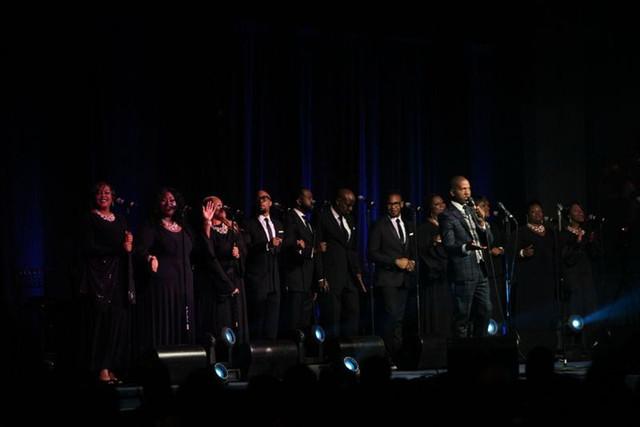
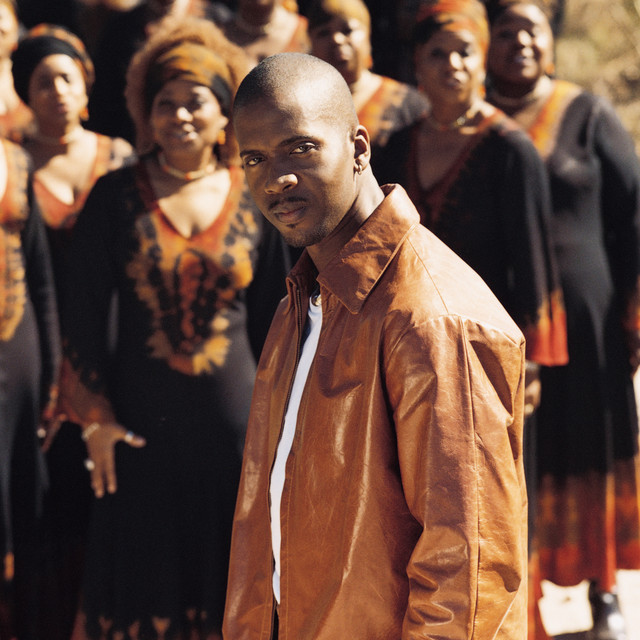
Donald Lawrence’s Spotify BioOne of the most popular gospel choirs of the 1990s, Donald Lawrence and the Tri-City Singers also managed to make waves with the secular media, similar to a handful of other Christian acts during the decade. Comprised of Lawrence plus 34 members -- from the "Tri-Cities" of Spartanburg, South Carolina plus Gastonia and Charlotte, North Carolina -- the choir debuted with the 1993 album A Songwriter's Point of View on the tiny GospoCentric label. The album eventually reached number two on the gospel charts. At the end of the year, the Tri-City Singers had become one of Billboard's Top Ten Gospel Groups, as well as the recipient of several Stellar Awards and a nomination for the NAACP's Image Award. Second album Bible Stories followed in 1995 on Crystal Rose/Chordant Records, and the choir released a holiday LP, Hello Christmas, in 1997. Lawrence and the Tri-City Singers signed to EMI Gospel in 2000, releasing the album tri-city4.com that same summer. Go Get Your Life Back followed in… 2002. Restoring the Years, a greatest-hits album with two new tracks, appeared in 2003. The next year saw the release of Lawrence's first solo album, I Speak Life. The Tri-City Singers announced the group was calling it quits in the spring of 2006, and recorded one last concert, which was released that same year as two albums, Finalé: Act One and Finalé: Act Two. Lawrence's second solo album, The Law of Confession, Part I, arrived in February of 2009, with a second part rumored on the horizon. Lawrence's next release, however, was titled YRM (Your Righteous Mind), when it appeared in 2011. ~ John Bush, Rovi
Viberate is a music analytics platform built for A&Rs, artist managers, labels, booking agents, marketers, and artists.
It helps music professionals track artist growth, analyze audience data, monitor playlist activity, compare artists, follow song performance, and identify opportunities across the music market.
Public artist pages provide a free preview of selected artist data. Paid plans provide access to deeper analytics, historical data, charts, comparisons, playlist tools, exports, alerts, reports, and additional professional features.
Yes. Public Viberate artist pages provide selected artist analytics and music data for free.
Viberate also offers a 7-day free trial of the full platform. A credit card is required to start the trial. The trial includes access to the complete product so users can test deeper artist analytics, historical views, playlist insights, comparisons, charts, exports, alerts, and reporting features before choosing a paid plan.
Viberate provides artist analytics across streaming, playlists, social media, video, radio airplay, songs, and audience markets.
Users can analyze Spotify performance, Spotify and Apple Music playlists, YouTube activity, TikTok and Instagram growth, radio spins, song performance, audience locations, demographics, rankings, and overall artist momentum.
Artist profiles also connect to music charts, similar artists, and comparison tools, helping users benchmark performance and evaluate artists in context.
Viberate updates key artist and track data daily.
For followed artists and tracks, selected data is refreshed multiple times per day. This helps teams monitor playlist changes, streaming movement, audience growth, releases, and campaign performance with more current data.
Update frequency can vary depending on the metric and data source.
Yes. Viberate lets users compare up to five artists side by side across streaming, social media, audience, and engagement metrics.
Users can compare fanbase growth, audience demographics, locations, Spotify performance, social metrics, and other artist data over selected time periods.
Artist comparison can be used for A&R scouting, benchmarking, booking decisions, campaign planning, and evaluating artists with similar audiences or market positions.