Dominique

Pop
Indie Pop
Neo Soul
 Viberate Rank: 154750
 Viberate Rank: 154750
 Monthly ListenersFollowers
 Subscribers
 Followers
 Followers
 FansTop Spotify Songs
| Track | 7-Day Streams | |
|---|---|---|
1 | 6.25K | |
2 | 1.75K | |
3 | 1.50K | |
4 | 866 | |
5 | 262 |
Top YouTube VideosMonthly ListenersFeatured in Playlists| Playlist | Followers | |
|---|---|---|
1 |  Christmas EDM Spotify | 89.62K |
2 |  deadmau5’s Strobe: Airplane Mode mau5trap | 44.80K |
3 |  mau5trap deadmau5 | 36.11K |
4 |  NIKKI BEACH 2026 Beach Playlist, Chilled House, Vocal House, Melodic House, Hed Kandi Simon Field | 34.12K |
5 |  The Sound of Vapor Soul The Sounds of Spotify | 13.05K |
Audience| City | Monthly Listeners | |
|---|---|---|
1 | | 65 |
2 | | 58 |
3 | | 47 |
4 | | 44 |
5 |  | 41 |
See full performance history, audience data, playlist activity, rankings, comparisons, and more in Viberate music analytics. Start with a free trial, then continue with a paid plan.
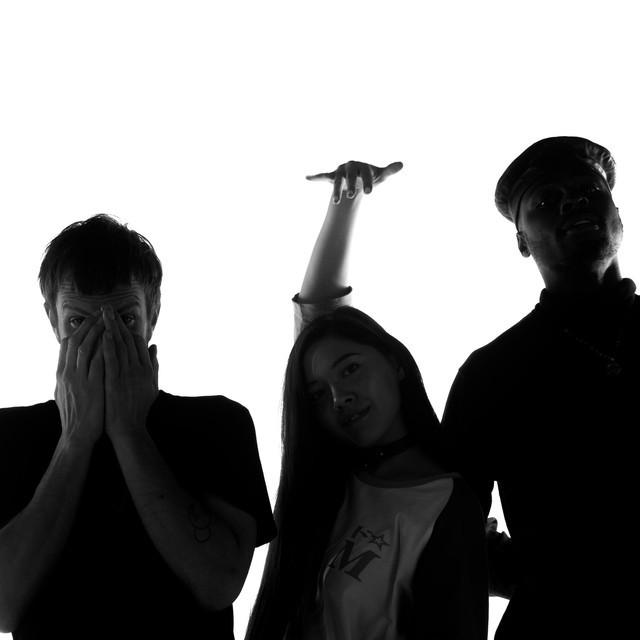
Dominique’s Spotify BioDominique began making music in high school, crafting rough productions of original songs on GarageBand and performing at coffee shops & local talent shows. At age 18, she moved to New York City to study Biology at NYU, but the NYC music scene eventually inspired her to take writing and producing more seriously and at age 20, she started learning how to use the production software Ableton Live.
In 2014, Dominique released her debut single, It's Only You which she co-produced and recorded with fellow NYU student ZeniF. It was featured on numerous blogs, thus leading to its charting on Hype Machine’s Popular chart & attracting attention from the likes of Pigeons and Planes, Wonderland and V Magazine. Later, she chose to become the sole producer of her music & released her self-titled, self-produced EP in December of 2016, singles from which were featured on Spotify’s New Music Friday, Huw Stephen’s BBC Radio 1 show & Entertainment Weekly. 2017 initiated new endeavors for Dominique as she… began writing & producing for other artists alongside working on her own artist project. July 2017 saw the release of single, Use Me followed by with Receipts & Payup in 2018. She returned with new release Priority in Oct 2020 (which aired on BBC Radio 1 w/ Annie Mac & featured as the New Name artist) Dominique also released Girls Can't Produce (TikTok Demo) with over 3 million TikTok views, support from Elton John & 2020 Christmas due to phenomenal demand from fans.
www.dominique-music.com
Viberate is a music analytics platform built for A&Rs, artist managers, labels, booking agents, marketers, and artists.
It helps music professionals track artist growth, analyze audience data, monitor playlist activity, compare artists, follow song performance, and identify opportunities across the music market.
Public artist pages provide a free preview of selected artist data. Paid plans provide access to deeper analytics, historical data, charts, comparisons, playlist tools, exports, alerts, reports, and additional professional features.
Yes. Public Viberate artist pages provide selected artist analytics and music data for free.
Viberate also offers a 7-day free trial of the full platform. A credit card is required to start the trial. The trial includes access to the complete product so users can test deeper artist analytics, historical views, playlist insights, comparisons, charts, exports, alerts, and reporting features before choosing a paid plan.
Viberate provides artist analytics across streaming, playlists, social media, video, radio airplay, songs, and audience markets.
Users can analyze Spotify performance, Spotify and Apple Music playlists, YouTube activity, TikTok and Instagram growth, radio spins, song performance, audience locations, demographics, rankings, and overall artist momentum.
Artist profiles also connect to music charts, similar artists, and comparison tools, helping users benchmark performance and evaluate artists in context.
Viberate updates key artist and track data daily.
For followed artists and tracks, selected data is refreshed multiple times per day. This helps teams monitor playlist changes, streaming movement, audience growth, releases, and campaign performance with more current data.
Update frequency can vary depending on the metric and data source.
Yes. Viberate lets users compare up to five artists side by side across streaming, social media, audience, and engagement metrics.
Users can compare fanbase growth, audience demographics, locations, Spotify performance, social metrics, and other artist data over selected time periods.
Artist comparison can be used for A&R scouting, benchmarking, booking decisions, campaign planning, and evaluating artists with similar audiences or market positions.