Dominia

Metal
Death Metal
Gothic Metal
 Viberate Rank: 254357
 Viberate Rank: 254357
 Monthly ListenersFollowers
 Subscribers
 Followers
 Followers
 FansTop Spotify Songs
| Track | 7-Day Streams | |
|---|---|---|
1 | 1.29K | |
2 | 943 | |
3 | 815 | |
4 | 610 | |
5 | 125 |
Top YouTube VideosMonthly ListenersFeatured in Playlists| Playlist | Followers | |
|---|---|---|
1 |  gothic metal Paula | 41.29K |
2 |  "Nessun Metallaro è Lontano" Nessun Luogo è Lontano | 5.80K |
3 |  Gothic / Dark / Doom Metal x505Metalheadx | 5.38K |
4 | Gothic Doom Draconian | 4.99K |
5 |  Funeral Doom Metal / Death Doom Sergio Tragedy | 3.85K |
Audience| City | Monthly Listeners | |
|---|---|---|
1 |  | 315 |
2 | | 166 |
3 |  | 119 |
4 |  | 102 |
5 | | 94 |
See full performance history, audience data, playlist activity, rankings, comparisons, and more in Viberate music analytics. Start with a free trial, then continue with a paid plan.
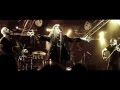
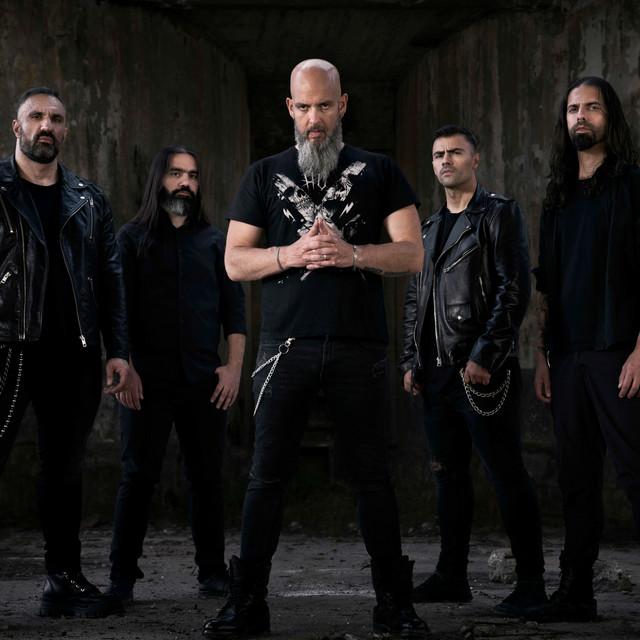
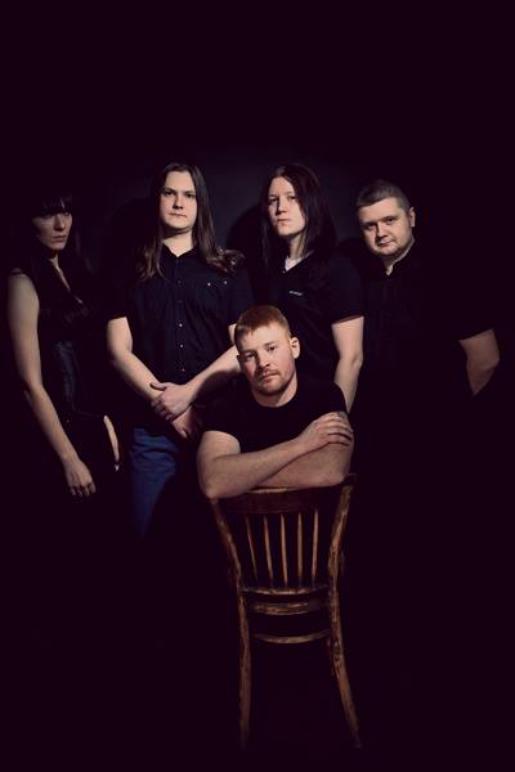
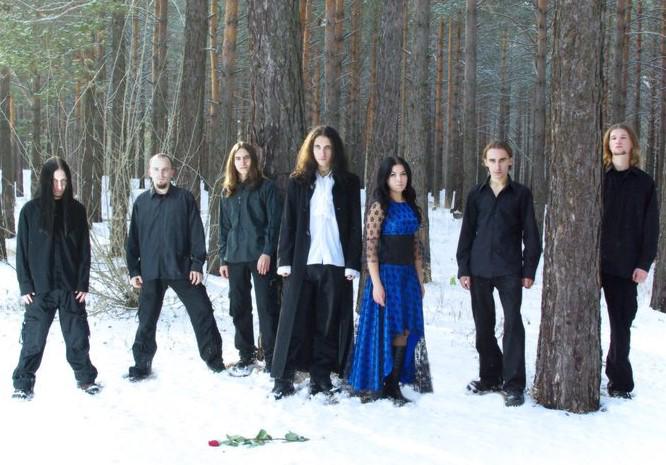
Dominia’s Spotify BioDominia is a Russian doom/melodeath band. Unique sound of Dominia is based on classic music traditions, catchinness of melodeath, melancholy of strings.
Dominia was formed (as Tentamentum) in Russian city Saint-Petersburg in February 1999 by vocalist and composer Anton Rosa and guitarist Denis Sukharev (Daniel).
Initially, the band professed typical for that time, black-death metal, but in September 2001 Tentamentum changed its' name and genre. Since the beginning of Dominia the band have created multiple singles, EP's and albums. Dominia are well known for their melodic and haunting music with their biggest track 'Mountains of god's depression' from the album 'Divine Revolution'.
The bands main influences derive from: My Dying Bride, Opeth, Pink Floyd, This Will Destroy You, Draconian, Type O Negative and many more.
In 2018, Dominia signed to MSH music group and released 3 singles, an EP and awaiting the 2019 album! This album will be entitled 'The Withering Of The Rose' and is due for… release late December.
Viberate is a music analytics platform built for A&Rs, artist managers, labels, booking agents, marketers, and artists.
It helps music professionals track artist growth, analyze audience data, monitor playlist activity, compare artists, follow song performance, and identify opportunities across the music market.
Public artist pages provide a free preview of selected artist data. Paid plans provide access to deeper analytics, historical data, charts, comparisons, playlist tools, exports, alerts, reports, and additional professional features.
Yes. Public Viberate artist pages provide selected artist analytics and music data for free.
Viberate also offers a 7-day free trial of the full platform. A credit card is required to start the trial. The trial includes access to the complete product so users can test deeper artist analytics, historical views, playlist insights, comparisons, charts, exports, alerts, and reporting features before choosing a paid plan.
Viberate provides artist analytics across streaming, playlists, social media, video, radio airplay, songs, and audience markets.
Users can analyze Spotify performance, Spotify and Apple Music playlists, YouTube activity, TikTok and Instagram growth, radio spins, song performance, audience locations, demographics, rankings, and overall artist momentum.
Artist profiles also connect to music charts, similar artists, and comparison tools, helping users benchmark performance and evaluate artists in context.
Viberate updates key artist and track data daily.
For followed artists and tracks, selected data is refreshed multiple times per day. This helps teams monitor playlist changes, streaming movement, audience growth, releases, and campaign performance with more current data.
Update frequency can vary depending on the metric and data source.
Yes. Viberate lets users compare up to five artists side by side across streaming, social media, audience, and engagement metrics.
Users can compare fanbase growth, audience demographics, locations, Spotify performance, social metrics, and other artist data over selected time periods.
Artist comparison can be used for A&R scouting, benchmarking, booking decisions, campaign planning, and evaluating artists with similar audiences or market positions.