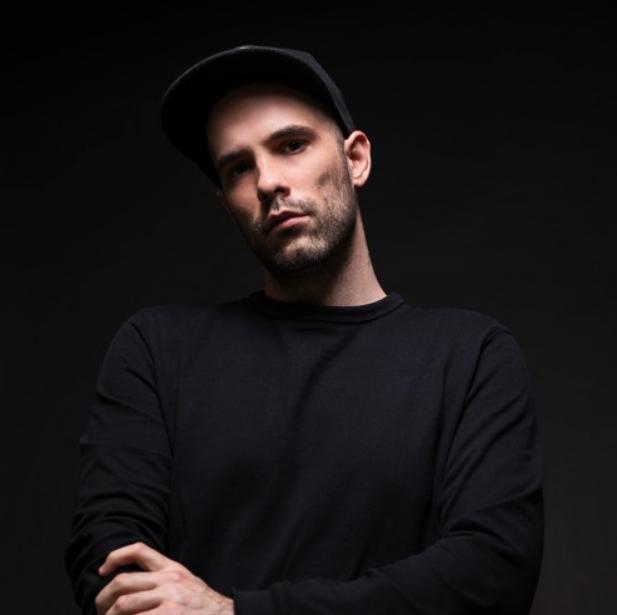
Dogu Dylan

Electronic
House
Tech House
 Viberate Rank: 463638
 Viberate Rank: 463638
 Monthly ListenersFollowers
 Subscribers
 Followers
 Followers
 FansTop Spotify Songs
| Track | 7-Day Streams | |
|---|---|---|
1 | 9.29K | |
2 | 45 | |
3 | 43 | |
4 | 40 | |
5 | 19 |
Top YouTube VideosMonthly ListenersFeatured in Playlists| Playlist | Followers | |
|---|---|---|
1 |  M4F14MUSIC MatteP | 10.48K |
2 |  TĒCHN@ | 2025 TECHNO PLAYLIST Domonkos | 9.34K |
3 |  Coronita 2024 JaksaDávid | 8.15K |
4 | Best House Ever 💯 Stefan van Atten | 7.49K |
5 |  DEEP BASS TECHNO Marc Soto | 4.95K |
Audience| City | Monthly Listeners | |
|---|---|---|
1 |  | 359 |
2 |  | 249 |
3 | | 225 |
4 |  | 224 |
5 |  | 204 |
See full performance history, audience data, playlist activity, rankings, comparisons, and more in Viberate music analytics. Start with a free trial, then continue with a paid plan.
Dogu Dylan’s Spotify BioBorn in Charlotte, NC. Dogu Dylan Cetintas (aka Dogu Dylan) started his journey with his family moving to Istanbul/Turkey. He has always been passionate about music and decided to pursue his music career in age 13.
While his end goal was to become a DJ, he also had a huge crush to Rock music. He was part of a band called “Last Days” doing vocals & playing instruments on Ska Punk, Garage Rock, Blues or Indie based songs.
In the fall of 2014, He moved to San Diego, California to study music theory and composition at San Diego State University. Therefore he went to LA to continue his musical education and advance his career. Throughout his time in So Cal, he had opportunities to perform and produce in both in San Diego & LA.
In late 2018, he was scouted for his career potential by artist Güneş Ergün. At 21 years old, he moved back to Istanbul and started to work with talented producer Emre Arisev and created an duo act called “Emre Arisev & Dogu Dylan”. Duo released 6 singles in… collaboration and performed numerous live performances.
Dogu Dylan is a DJ/Producer & Songwriter based out of San Diego/Istanbul. He combines a mixture of House, Indie, Tech House & Nu Disco.
Viberate is a music analytics platform built for A&Rs, artist managers, labels, booking agents, marketers, and artists.
It helps music professionals track artist growth, analyze audience data, monitor playlist activity, compare artists, follow song performance, and identify opportunities across the music market.
Public artist pages provide a free preview of selected artist data. Paid plans provide access to deeper analytics, historical data, charts, comparisons, playlist tools, exports, alerts, reports, and additional professional features.
Yes. Public Viberate artist pages provide selected artist analytics and music data for free.
Viberate also offers a 7-day free trial of the full platform. A credit card is required to start the trial. The trial includes access to the complete product so users can test deeper artist analytics, historical views, playlist insights, comparisons, charts, exports, alerts, and reporting features before choosing a paid plan.
Viberate provides artist analytics across streaming, playlists, social media, video, radio airplay, songs, and audience markets.
Users can analyze Spotify performance, Spotify and Apple Music playlists, YouTube activity, TikTok and Instagram growth, radio spins, song performance, audience locations, demographics, rankings, and overall artist momentum.
Artist profiles also connect to music charts, similar artists, and comparison tools, helping users benchmark performance and evaluate artists in context.
Viberate updates key artist and track data daily.
For followed artists and tracks, selected data is refreshed multiple times per day. This helps teams monitor playlist changes, streaming movement, audience growth, releases, and campaign performance with more current data.
Update frequency can vary depending on the metric and data source.
Yes. Viberate lets users compare up to five artists side by side across streaming, social media, audience, and engagement metrics.
Users can compare fanbase growth, audience demographics, locations, Spotify performance, social metrics, and other artist data over selected time periods.
Artist comparison can be used for A&R scouting, benchmarking, booking decisions, campaign planning, and evaluating artists with similar audiences or market positions.