Docenterna

Rock
Pop Rock
Mainstream Pop
 Viberate Rank: 356542
 Viberate Rank: 356542
 Monthly ListenersFollowers
 Subscribers
 Followers
 Followers
 FansTop Spotify Songs
| Track | 7-Day Streams | |
|---|---|---|
1 | 1.45K | |
2 | 1.14K | |
3 | 515 | |
4 | 362 | |
5 | 226 |
Top YouTube VideosMonthly ListenersFeatured in Playlists| Playlist | Followers | |
|---|---|---|
1 |  Svensk 70 80 90 tal Albert Hebbe-Lille Karlstad | 5.16K |
2 | The Party List Spotify | 4.77K |
3 | Radiosporten leffko | 3.11K |
4 |  Svenska 80-talshits Digster Sweden | 2.67K |
5 | 80 & 90 tals musik elinmansson81 | 2.31K |
Audience| City | Monthly Listeners | |
|---|---|---|
1 | | 1.70K |
2 | | 994 |
3 | | 678 |
4 | | 195 |
5 | | 160 |
See full performance history, audience data, playlist activity, rankings, comparisons, and more in Viberate music analytics. Start with a free trial, then continue with a paid plan.
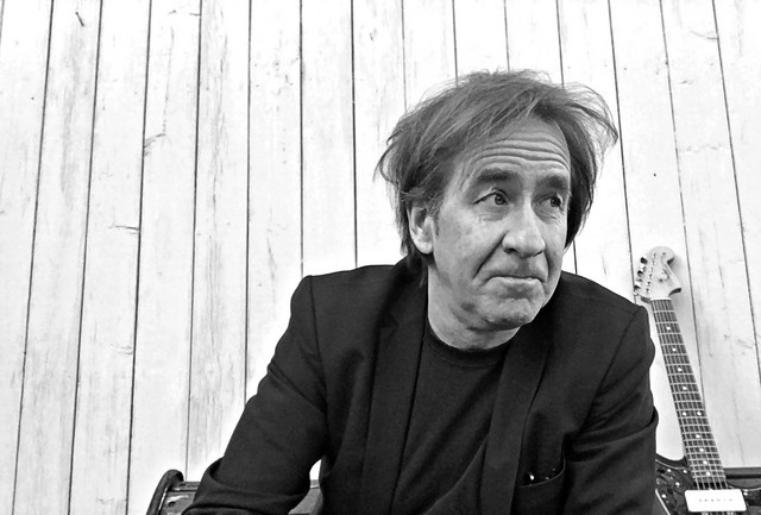
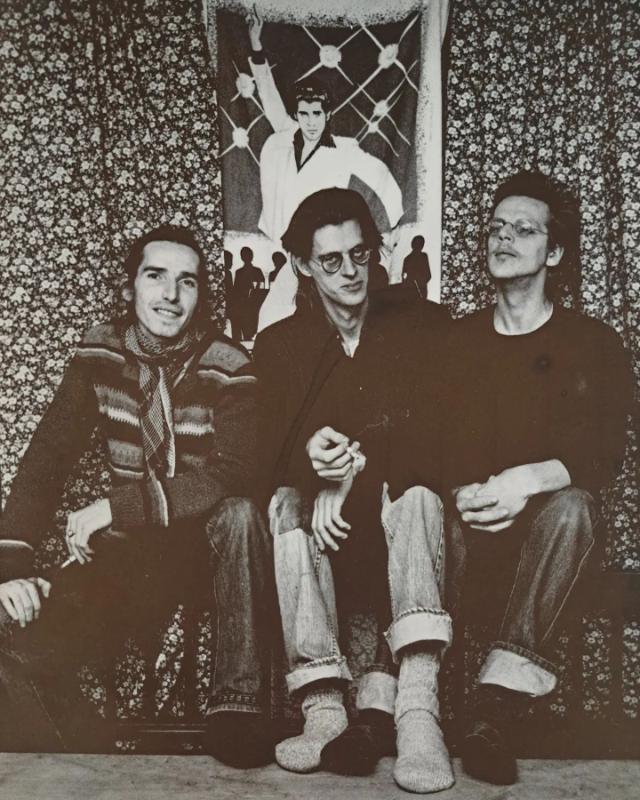
Docenterna’s Spotify BioDocenterna received instant fame in the early '80s with their hits "Solglasögon" and "Bensin i Blodet." But even with the release of a number of records and intense touring through the mid-'80s, they never really got past these two songs and were soon seen as mainly a cult band. Initially restricted by their lack of instrumental skills, they developed a simple and catchy up-tempo pop sound that borrowed much from the alternative rock scene, as well as from '60s rock. The lyrics were humoristic but still not without heartbreak qualities. After a dip in the late '80s, Docenterna had a revival in the '90s, but this time as a part-time project. They released a few new albums and toured, but built mainly on their cult status and old material.
Docenterna formed as Docent Död in 1979 by Mats Olofsson, Johan Pihlgren, Mats Hillborg, Christian Pihlgren, and Lars Lövgren. The name was chosen because of its punk qualities, and later that same year the band released what would be their only punk… record, the single "Sven Jerrings Röst." On their next single, they had changed their style to up-tempo pop, with simple but effective riffs. The A-side, "Solglasögon," was a big hit and would prove their most classic. The following mini-LP contained their other big hit, "Bensin i Blodet," and later that year the self-titled debut album was released. The following years saw intensive touring by the group. Often playing more than 200 concerts a year, they still managed to release a couple of albums. In 1983, Hillborg left for a solo project and was replaced by Mats Möller. At the release of Docenterna in 1986, the band decided to change their name accordingly, skipping Död (translates as death). Möller also left the band to release a solo album that did not receive much attention, and Clas Rosenberg joined, just to quit the next year and be replaced by guitarist Hasse Bie Carlsson. Docenterna now took a three-year break, but returned in 1989 with the sisters Irma and Idde Schultz on extra vocals, and the album Söderns Ros.
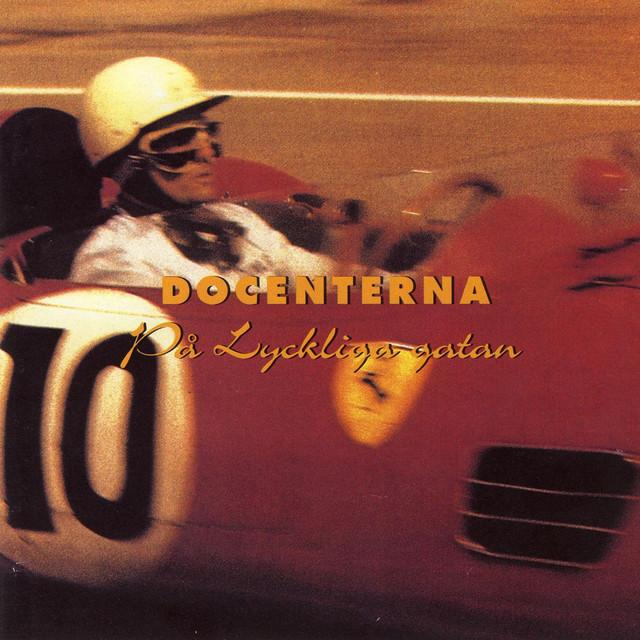
Docenterna left Mistlur and went to the more mainstream EMI. In 1992, they released På Lyckliga Gatan, which earned them a Swedish Grammy Award for Best Pop Group. When they found out that EMI distributed the albums of a racist band, Docenterna left the company and their next album, Honung, was instead released on MCA to favourable reviews. But during the '90s, the band developed more and more into a hobby project, with the members having other jobs on the side and with few album releases. Their fame in the late '90s was also more based on their status as a cult band than on any new material. Still, they set out on a number of successful summer tours and recruited guitarist Jon Jefferson Klingberg. In 2001, they released Här Kommer Solen, their first EP in some time. ~ Lars Lovén, Rovi
Viberate is a music analytics platform built for A&Rs, artist managers, labels, booking agents, marketers, and artists.
It helps music professionals track artist growth, analyze audience data, monitor playlist activity, compare artists, follow song performance, and identify opportunities across the music market.
Public artist pages provide a free preview of selected artist data. Paid plans provide access to deeper analytics, historical data, charts, comparisons, playlist tools, exports, alerts, reports, and additional professional features.
Yes. Public Viberate artist pages provide selected artist analytics and music data for free.
Viberate also offers a 7-day free trial of the full platform. A credit card is required to start the trial. The trial includes access to the complete product so users can test deeper artist analytics, historical views, playlist insights, comparisons, charts, exports, alerts, and reporting features before choosing a paid plan.
Viberate provides artist analytics across streaming, playlists, social media, video, radio airplay, songs, and audience markets.
Users can analyze Spotify performance, Spotify and Apple Music playlists, YouTube activity, TikTok and Instagram growth, radio spins, song performance, audience locations, demographics, rankings, and overall artist momentum.
Artist profiles also connect to music charts, similar artists, and comparison tools, helping users benchmark performance and evaluate artists in context.
Viberate updates key artist and track data daily.
For followed artists and tracks, selected data is refreshed multiple times per day. This helps teams monitor playlist changes, streaming movement, audience growth, releases, and campaign performance with more current data.
Update frequency can vary depending on the metric and data source.
Yes. Viberate lets users compare up to five artists side by side across streaming, social media, audience, and engagement metrics.
Users can compare fanbase growth, audience demographics, locations, Spotify performance, social metrics, and other artist data over selected time periods.
Artist comparison can be used for A&R scouting, benchmarking, booking decisions, campaign planning, and evaluating artists with similar audiences or market positions.