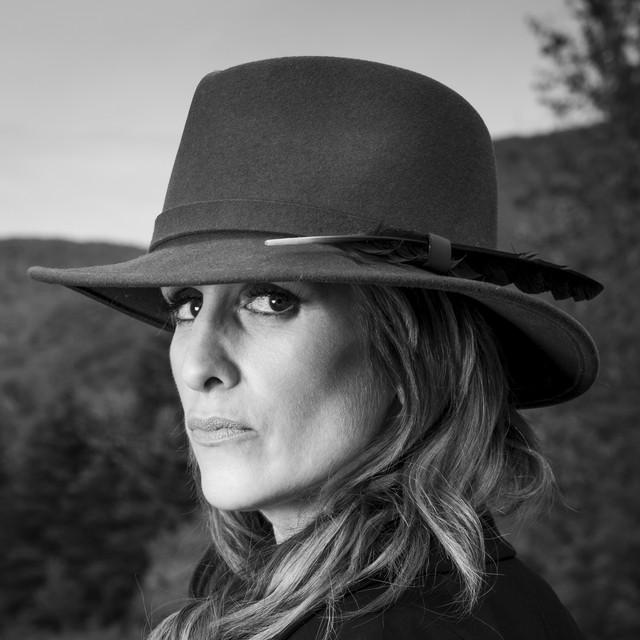
Dobacaracol

African
Afrobeat
Reggae Fusion
 Viberate Rank: 243130
 Viberate Rank: 243130
 Monthly ListenersFollowers
 Subscribers
 Followers
 Followers
 FansTop Spotify Songs
| Track | 7-Day Streams | |
|---|---|---|
1 | 3.80K | |
2 | 743 | |
3 | 382 | |
4 | 214 | |
5 | 213 |
Top YouTube VideosMonthly ListenersFeatured in Playlists| Playlist | Followers | |
|---|---|---|
1 |  Québécois 1990-2020 Emmanuel Begouen | 13.95K |
2 | Quebecois (Party de St-Jean) Steve Champagne | 13.65K |
3 |  Paris Magnifique Starbucks | 7.54K |
4 |  Starbucks Global Blend Starbucks | 7.16K |
5 |  MÚSICAS PARA APRENDER FRANCÊS Duilio Gomes | 5.54K |
Audience| City | Monthly Listeners | |
|---|---|---|
1 | | 3.71K |
2 | | 498 |
3 | | 475 |
4 | | 203 |
5 | | 169 |
See full performance history, audience data, playlist activity, rankings, comparisons, and more in Viberate music analytics. Start with a free trial, then continue with a paid plan.
Dobacaracol’s Spotify BioThe music of DobaCaracol channels influences from Afro-beat to reggae to folk, effectively belying the group's Québecois origins. Frontwomen Doriane Fabreg and Carole Facal first met at a Montreal rave, bonding over their shared affection for percussion-driven music. In 1998 they founded DobaCaracol, deriving the moniker from their respective nicknames. For the next five years Fabreg and Facal performed as a duo, building a repertoire comprised of traditional songs and chants from across the globe. Their debut LP, Le Calme Son, followed in 2001, supported by tours that stretched from the U.S. to Egypt. Two years later DobaCaracol's lineup expanded to a sextet with the additions of guitarist David Laflèche, bassist Maxime Lepage, keyboardist Martin Lizotte, and percussionist Mohammed Coulibaly. Upon signing with the Indica label, the new lineup released its breakthrough LP, Soley, in 2004, and a year later the group was featured on the Toronto stage of the international Live 8 concert.… ~ Jason Ankeny, Rovi
Viberate is a music analytics platform built for A&Rs, artist managers, labels, booking agents, marketers, and artists.
It helps music professionals track artist growth, analyze audience data, monitor playlist activity, compare artists, follow song performance, and identify opportunities across the music market.
Public artist pages provide a free preview of selected artist data. Paid plans provide access to deeper analytics, historical data, charts, comparisons, playlist tools, exports, alerts, reports, and additional professional features.
Yes. Public Viberate artist pages provide selected artist analytics and music data for free.
Viberate also offers a 7-day free trial of the full platform. A credit card is required to start the trial. The trial includes access to the complete product so users can test deeper artist analytics, historical views, playlist insights, comparisons, charts, exports, alerts, and reporting features before choosing a paid plan.
Viberate provides artist analytics across streaming, playlists, social media, video, radio airplay, songs, and audience markets.
Users can analyze Spotify performance, Spotify and Apple Music playlists, YouTube activity, TikTok and Instagram growth, radio spins, song performance, audience locations, demographics, rankings, and overall artist momentum.
Artist profiles also connect to music charts, similar artists, and comparison tools, helping users benchmark performance and evaluate artists in context.
Viberate updates key artist and track data daily.
For followed artists and tracks, selected data is refreshed multiple times per day. This helps teams monitor playlist changes, streaming movement, audience growth, releases, and campaign performance with more current data.
Update frequency can vary depending on the metric and data source.
Yes. Viberate lets users compare up to five artists side by side across streaming, social media, audience, and engagement metrics.
Users can compare fanbase growth, audience demographics, locations, Spotify performance, social metrics, and other artist data over selected time periods.
Artist comparison can be used for A&R scouting, benchmarking, booking decisions, campaign planning, and evaluating artists with similar audiences or market positions.