Do It With Malice

Punk
Hardcore Punk
Ska Punk
 Viberate Rank: 461316
 Viberate Rank: 461316
 Monthly ListenersFollowers
 Subscribers
 Followers
 Followers
 FansTop Spotify Songs
| Track | 7-Day Streams | |
|---|---|---|
1 | 242 | |
2 | 151 | |
3 | 116 | |
4 | 65 | |
5 | 46 |
Top YouTube VideosMonthly ListenersFeatured in Playlists| Playlist | Followers | |
|---|---|---|
1 | SKA Kevin McLaughlin | 111.43K |
2 |  Ska Punk Essentials Kousa_cs | 33.50K |
3 | Ska Punk Käptn Koala | 23.09K |
4 |  Punk Rock Museum - New Music Friday PunkRockRadar | 1.81K |
Audience| City | Monthly Listeners | |
|---|---|---|
1 | | 40 |
2 | | 36 |
3 |  | 35 |
4 | | 33 |
5 | | 32 |
See full performance history, audience data, playlist activity, rankings, comparisons, and more in Viberate music analytics. Start with a free trial, then continue with a paid plan.
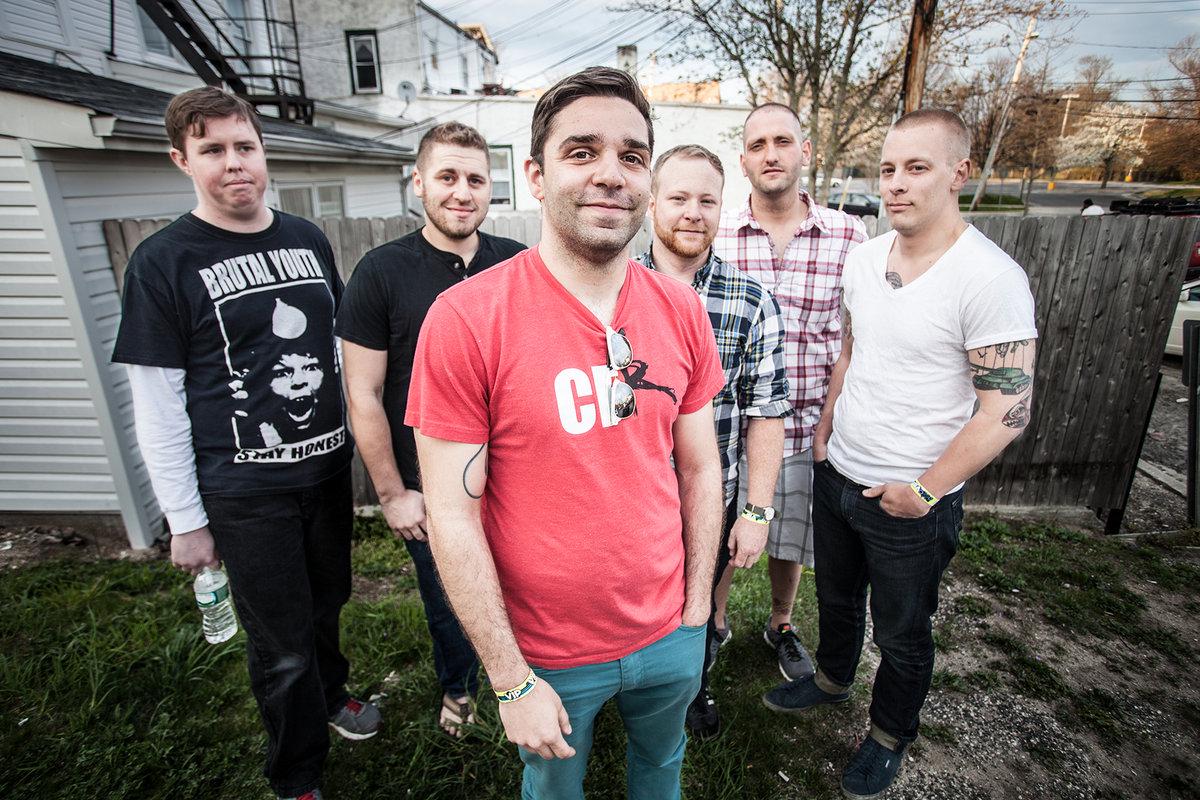
Do It With Malice’s Spotify BioDo It With Malice is a six-piece ska-core band from Buffalo, NY. Founded in 2004, DIWM has been influenced by numerous artists throughout its lifespan including The Blue Meanies, Rage Against The Machine, Streetlight Manifesto, 311, Reel Big Fish, RX Bandits, and many others.
After recording its humorously sub-par 2005 demo, the band wrote and released its first (and significantly less sub-par) full-length record, “Symphonic Homicide” in 2008.
In 2010, the band released its second full-length album, “The Burned-Over District.” The album incorporates a dynamic melding of metal riffs, hardcore punk, and third-wave ska.
Shortly after, the band resumed writing. The result of these sessions were two more songs that further developed their unique blend of ska and metal, leaning more heavily on the latter. The new material was released as part of The Big Ska Gamble 7-Inch Series in a joint effort between Grandpa’s Casino Recordings and Insidious Industries in 2012.
After the release, the band… took a break from the stage to begin writing their third full-length album. Although the hiatus lasted much longer than expected, they emerged back onto the scene in 2022 with new members, new material, and a renewed passion.
DIWM have since been playing regularly throughout the northeast and are currently recording new material for the first time in over 10 years. Look for it to be released in the fall of 2023.
Viberate is a music analytics platform built for A&Rs, artist managers, labels, booking agents, marketers, and artists.
It helps music professionals track artist growth, analyze audience data, monitor playlist activity, compare artists, follow song performance, and identify opportunities across the music market.
Public artist pages provide a free preview of selected artist data. Paid plans provide access to deeper analytics, historical data, charts, comparisons, playlist tools, exports, alerts, reports, and additional professional features.
Yes. Public Viberate artist pages provide selected artist analytics and music data for free.
Viberate also offers a 7-day free trial of the full platform. A credit card is required to start the trial. The trial includes access to the complete product so users can test deeper artist analytics, historical views, playlist insights, comparisons, charts, exports, alerts, and reporting features before choosing a paid plan.
Viberate provides artist analytics across streaming, playlists, social media, video, radio airplay, songs, and audience markets.
Users can analyze Spotify performance, Spotify and Apple Music playlists, YouTube activity, TikTok and Instagram growth, radio spins, song performance, audience locations, demographics, rankings, and overall artist momentum.
Artist profiles also connect to music charts, similar artists, and comparison tools, helping users benchmark performance and evaluate artists in context.
Viberate updates key artist and track data daily.
For followed artists and tracks, selected data is refreshed multiple times per day. This helps teams monitor playlist changes, streaming movement, audience growth, releases, and campaign performance with more current data.
Update frequency can vary depending on the metric and data source.
Yes. Viberate lets users compare up to five artists side by side across streaming, social media, audience, and engagement metrics.
Users can compare fanbase growth, audience demographics, locations, Spotify performance, social metrics, and other artist data over selected time periods.
Artist comparison can be used for A&R scouting, benchmarking, booking decisions, campaign planning, and evaluating artists with similar audiences or market positions.