Djivan Gasparyan

Asian
Other Asian Music
Islamic Music
 Viberate Rank: 93220
 Viberate Rank: 93220
 Monthly ListenersFollowers
 Subscribers
 Followers
 Followers
 FansTop Spotify Songs
| Track | 7-Day Streams | |
|---|---|---|
1 | 21.49K | |
2 | 17.66K | |
3 | 16.53K | |
4 | 15.55K | |
5 | 15.55K |
Top YouTube VideosMonthly ListenersFeatured in Playlists| Playlist | Followers | |
|---|---|---|
1 |  Ludovico Einaudi Complete Playlist Ludovico Einaudi | 223.06K |
2 |  Best of Hans Zimmer Soundtracks Brendan S | 148.92K |
3 |  Gladiator Soundtrack Low Fidelity | 138.04K |
4 |  1000 Recordings to Hear Before You Die (Tom Moon): Album Index Ulysses' Classical | 94.29K |
5 |  MANTRAS Enara | 86.36K |
Audience| City | Monthly Listeners | |
|---|---|---|
1 |  | 3.42K |
2 |  | 2.01K |
3 |  | 1.77K |
4 |  | 1.54K |
5 |  | 1.32K |
See full performance history, audience data, playlist activity, rankings, comparisons, and more in Viberate music analytics. Start with a free trial, then continue with a paid plan.
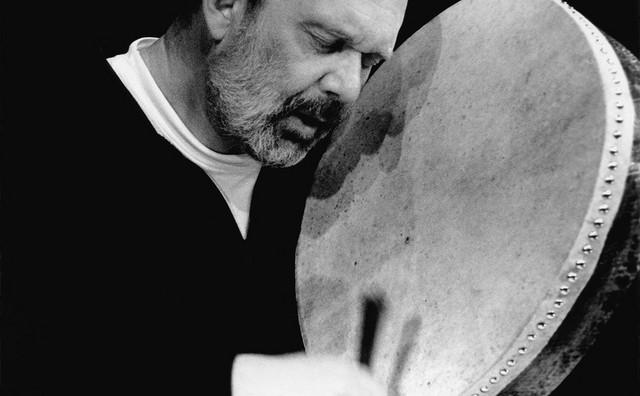
Djivan Gasparyan’s Spotify BioThe acknowledged master of the Armenian reed instrument known as the duduk, Djivan Gasparayan was born just outside of the nation's capital city of Yerevan, first picking up the instrument at age six. After joining the Tatool Altounian National Song and Dance Ensemble in 1948, his first professional engagement was as a soloist with the Yerevan Philharmonic Orchestra. Gasparayan later went on tour extensively throughout Europe, Asia, the Middle East, and the United States, and in 1973 was the first musician given the honorary title of People's Artist of Armenia by the nation's government. Gasparayan's commercial breakthrough followed in 1989 when he was featured on Peter Gabriel's soundtrack to the Martin Scorsese film The Last Temptation of Christ; he subsequently contributed to the soundtracks of The Russia House and the cable TV production Storm and Sorrow, additionally performing with the Kronos Quartet and the Los Angeles Philharmonic Orchestra. His debut solo album, I Will Not Be… Sad in This World, appeared on the Opal label in 1989; his own recordings included Ask Me No Questions, Apricots from Eden, and Moon Shines at Night. In 1998, Gasparayan teamed with virtuoso guitarist Michael Brook for Black Rock; Armenian Fantasies followed two years later. He remained productive in the 21st century, releasing eight albums between 2000 and 2008. Djivan Gasparyan died on July 6, 2021 at the age of 92. ~ Jason Ankeny, Rovi
Viberate is a music analytics platform built for A&Rs, artist managers, labels, booking agents, marketers, and artists.
It helps music professionals track artist growth, analyze audience data, monitor playlist activity, compare artists, follow song performance, and identify opportunities across the music market.
Public artist pages provide a free preview of selected artist data. Paid plans provide access to deeper analytics, historical data, charts, comparisons, playlist tools, exports, alerts, reports, and additional professional features.
Yes. Public Viberate artist pages provide selected artist analytics and music data for free.
Viberate also offers a 7-day free trial of the full platform. A credit card is required to start the trial. The trial includes access to the complete product so users can test deeper artist analytics, historical views, playlist insights, comparisons, charts, exports, alerts, and reporting features before choosing a paid plan.
Viberate provides artist analytics across streaming, playlists, social media, video, radio airplay, songs, and audience markets.
Users can analyze Spotify performance, Spotify and Apple Music playlists, YouTube activity, TikTok and Instagram growth, radio spins, song performance, audience locations, demographics, rankings, and overall artist momentum.
Artist profiles also connect to music charts, similar artists, and comparison tools, helping users benchmark performance and evaluate artists in context.
Viberate updates key artist and track data daily.
For followed artists and tracks, selected data is refreshed multiple times per day. This helps teams monitor playlist changes, streaming movement, audience growth, releases, and campaign performance with more current data.
Update frequency can vary depending on the metric and data source.
Yes. Viberate lets users compare up to five artists side by side across streaming, social media, audience, and engagement metrics.
Users can compare fanbase growth, audience demographics, locations, Spotify performance, social metrics, and other artist data over selected time periods.
Artist comparison can be used for A&R scouting, benchmarking, booking decisions, campaign planning, and evaluating artists with similar audiences or market positions.