DJ Weirdo

Electronic
Techno
 Viberate Rank: 138782
 Viberate Rank: 138782
 Monthly ListenersFollowers
 Subscribers
 Followers
 Followers
 FansTop Spotify Songs
| Track | 7-Day Streams | |
|---|---|---|
1 | 23.74K | |
2 | 13.76K | |
3 | 12.27K | |
4 | 10.24K | |
5 | 7.40K |
Top YouTube VideosMonthly ListenersFeatured in Playlists| Playlist | Followers | |
|---|---|---|
1 |  techno party Spotify | 607.93K |
2 |  Thunderdome Classics Adrian | 138.38K |
3 |  RAVE 2027 🔥 Hard Festival Dance Hits Victor Oliveira | 87.53K |
4 |  GABBER HARDCORE OLDSCHOOL 90s 00s Olek Sokół | 58.56K |
5 |  Thunderdome Platen pim_vl | 36.34K |
Audience| City | Monthly Listeners | |
|---|---|---|
1 | | 3.47K |
2 |  | 2.05K |
3 | | 1.46K |
4 | | 1.45K |
5 |  | 1.18K |
See full performance history, audience data, playlist activity, rankings, comparisons, and more in Viberate music analytics. Start with a free trial, then continue with a paid plan.
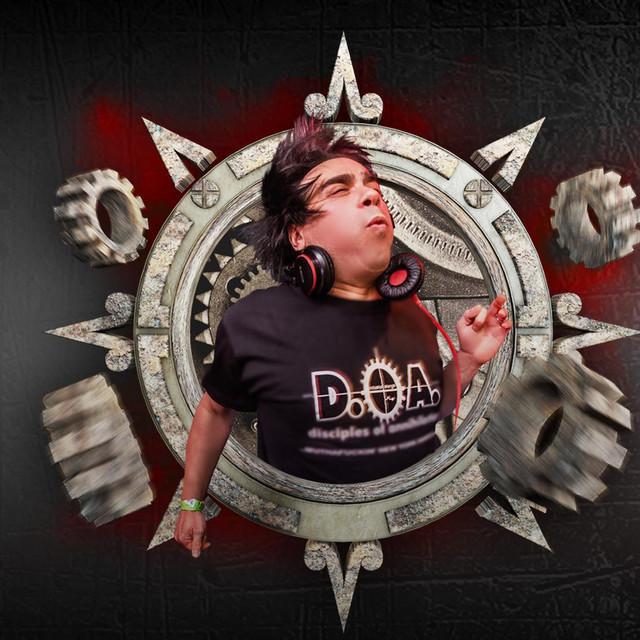
DJ Weirdo’s Spotify BioDJ Weirdo is a pioneer in the hardcore and gabber scene, particularly active between 1992 and 1998. With his energetic and raw beats, he played a key role in the rise of Dutch gabber culture. He is best known for the iconic track Young Birds, which became a classic in the gabber world. His sets are characterized by a unique blend of hard kicks, fast rhythms, and melodic elements, always creating an intense atmosphere on the dancefloor. Although he stopped performing actively in 1998, his influence continues to be felt in the modern hardcore scene.
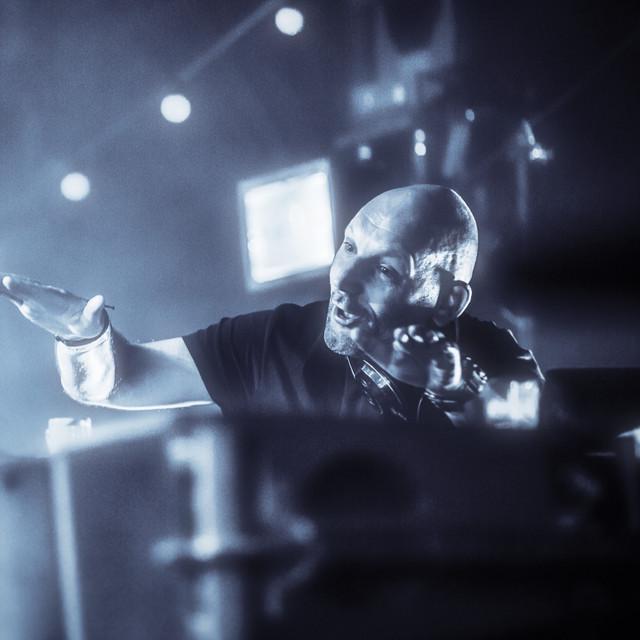
Since 2017, DJ Weirdo returned to the decks at iconic events such as Thunderdome and Masters of Hardcore. His return to the hardcore scene was warmly welcomed by both old and new generations of gabber fans. With his energetic and nostalgic sets, he consistently surprises the crowd, bridging the gap between ’90s classics and the contemporary hardcore sound.
In addition to his impressive performances, DJ Weirdo was also involved in curating… several legendary Thunderdome compilation CDs in the 90's. His contributions ensured that these albums not only represented the hits of the hardcore world but also gave new talents a platform. He also played a significant role in compiling the popular Earthquake and Happy Hardcore CDs. With a perfect balance between hard-hitting hardcore and upbeat happy hardcore, these compilations became classics in the scene.
Viberate is a music analytics platform built for A&Rs, artist managers, labels, booking agents, marketers, and artists.
It helps music professionals track artist growth, analyze audience data, monitor playlist activity, compare artists, follow song performance, and identify opportunities across the music market.
Public artist pages provide a free preview of selected artist data. Paid plans provide access to deeper analytics, historical data, charts, comparisons, playlist tools, exports, alerts, reports, and additional professional features.
Yes. Public Viberate artist pages provide selected artist analytics and music data for free.
Viberate also offers a 7-day free trial of the full platform. A credit card is required to start the trial. The trial includes access to the complete product so users can test deeper artist analytics, historical views, playlist insights, comparisons, charts, exports, alerts, and reporting features before choosing a paid plan.
Viberate provides artist analytics across streaming, playlists, social media, video, radio airplay, songs, and audience markets.
Users can analyze Spotify performance, Spotify and Apple Music playlists, YouTube activity, TikTok and Instagram growth, radio spins, song performance, audience locations, demographics, rankings, and overall artist momentum.
Artist profiles also connect to music charts, similar artists, and comparison tools, helping users benchmark performance and evaluate artists in context.
Viberate updates key artist and track data daily.
For followed artists and tracks, selected data is refreshed multiple times per day. This helps teams monitor playlist changes, streaming movement, audience growth, releases, and campaign performance with more current data.
Update frequency can vary depending on the metric and data source.
Yes. Viberate lets users compare up to five artists side by side across streaming, social media, audience, and engagement metrics.
Users can compare fanbase growth, audience demographics, locations, Spotify performance, social metrics, and other artist data over selected time periods.
Artist comparison can be used for A&R scouting, benchmarking, booking decisions, campaign planning, and evaluating artists with similar audiences or market positions.