DJ Rashad

Hip Hop
Alternative Hip Hop
Dub
Other Electronic Music
 Viberate Rank: 94092
 Viberate Rank: 94092
 Monthly ListenersFollowers
 Subscribers
 Followers
 Followers
 FansTop Spotify Songs
| Track | 7-Day Streams | |
|---|---|---|
1 | 4.46K | |
2 | 3.53K | |
3 | 2.87K | |
4 | 2.59K | |
5 | 1.90K |
Top YouTube VideosMonthly ListenersFeatured in Playlists| Playlist | Followers | |
|---|---|---|
1 |  audífonos con cable Spotify | 415.00K |
2 |  303 Classics Spotify | 154.76K |
3 |  🗝️ IF U PLZ 🗝️ carolineplz | 63.72K |
4 | Old School Chicago House Music Sin Estrada | 39.56K |
5 |  Footwork/Juke Spotify | 38.72K |
Audience| City | Monthly Listeners | |
|---|---|---|
1 | | 4.37K |
2 |  | 1.71K |
3 | | 1.31K |
4 | | 1.24K |
5 | | 1.12K |
See full performance history, audience data, playlist activity, rankings, comparisons, and more in Viberate music analytics. Start with a free trial, then continue with a paid plan.
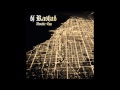
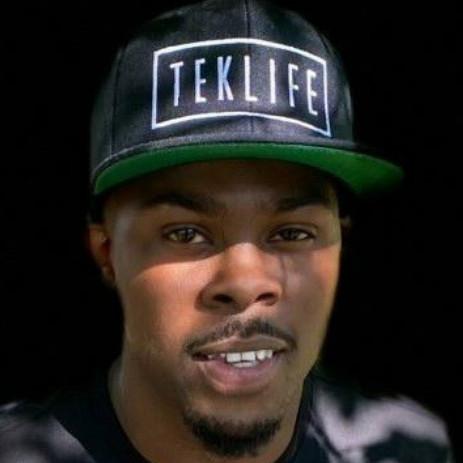
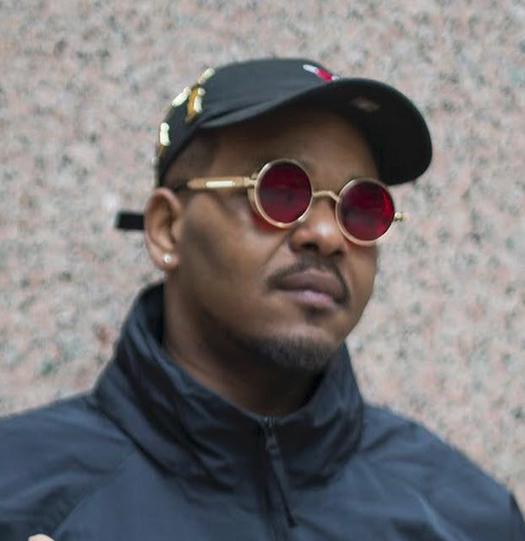
DJ Rashad’s Spotify BioOne of the DJs at the forefront of the fast and furious style of house music known as footwork, DJ Rashad (Rashad Harden) was born in Chicago and raised in the city's suburb of Calumet City. A young fan of Chicago's banging brand of house music known as ghettohouse, Rashad was already making mixtapes when he met the like-minded DJ Spinn in high school. The two would begin DJ'ing around town in 1996, and in 1998 the duo would be featured on a split 12" on the Dance Mania label, although Spinn's side was mislabeled as produced by DJ Thadz. Spinn and Rashad remained a team as ghettohouse evolved into juke, which evolved into footwork, and the two formed the Ghettoteknitianz collective in 2004. Several Ghettoteknitianz-affiliated producers would land tracks on the Planet Mu label's 2010 compilation of footwork tracks, Bangs & Works, Vol. 1. The label also released Rashad's Itz Not Rite EP in 2010, as well as the Ghettoteknitianz 12" EP the following year.
The collective evolved into Teklife… around 2011 and expanded globally, encompassing footwork producers from far beyond the Chicago scene. In 2012 Rashad released the compilation Teklife, Vol 1: Welcome to the Chi, with his album Double Cup arriving via Hyperdub a year later (along with EPs Rollin' and I Don't Give a Fuck). Double Cup was a watershed moment for footwork, achieving widespread critical acclaim and marking the genre's further creative development as it grew to encompass elements of jungle and acid techno. Tragically, Rashad was found dead in an apartment on Chicago's South Side in April 2014; he was 34 years old. Hyperdub released Next Life, a Teklife compilation with all profits going to a fund for DJ Rashad's son Chad Harden, in November of 2014, followed by Rashad's 6613 EP in June of 2015. ~ David Jeffries, Rovi
Viberate is a music analytics platform built for A&Rs, artist managers, labels, booking agents, marketers, and artists.
It helps music professionals track artist growth, analyze audience data, monitor playlist activity, compare artists, follow song performance, and identify opportunities across the music market.
Public artist pages provide a free preview of selected artist data. Paid plans provide access to deeper analytics, historical data, charts, comparisons, playlist tools, exports, alerts, reports, and additional professional features.
Yes. Public Viberate artist pages provide selected artist analytics and music data for free.
Viberate also offers a 7-day free trial of the full platform. A credit card is required to start the trial. The trial includes access to the complete product so users can test deeper artist analytics, historical views, playlist insights, comparisons, charts, exports, alerts, and reporting features before choosing a paid plan.
Viberate provides artist analytics across streaming, playlists, social media, video, radio airplay, songs, and audience markets.
Users can analyze Spotify performance, Spotify and Apple Music playlists, YouTube activity, TikTok and Instagram growth, radio spins, song performance, audience locations, demographics, rankings, and overall artist momentum.
Artist profiles also connect to music charts, similar artists, and comparison tools, helping users benchmark performance and evaluate artists in context.
Viberate updates key artist and track data daily.
For followed artists and tracks, selected data is refreshed multiple times per day. This helps teams monitor playlist changes, streaming movement, audience growth, releases, and campaign performance with more current data.
Update frequency can vary depending on the metric and data source.
Yes. Viberate lets users compare up to five artists side by side across streaming, social media, audience, and engagement metrics.
Users can compare fanbase growth, audience demographics, locations, Spotify performance, social metrics, and other artist data over selected time periods.
Artist comparison can be used for A&R scouting, benchmarking, booking decisions, campaign planning, and evaluating artists with similar audiences or market positions.