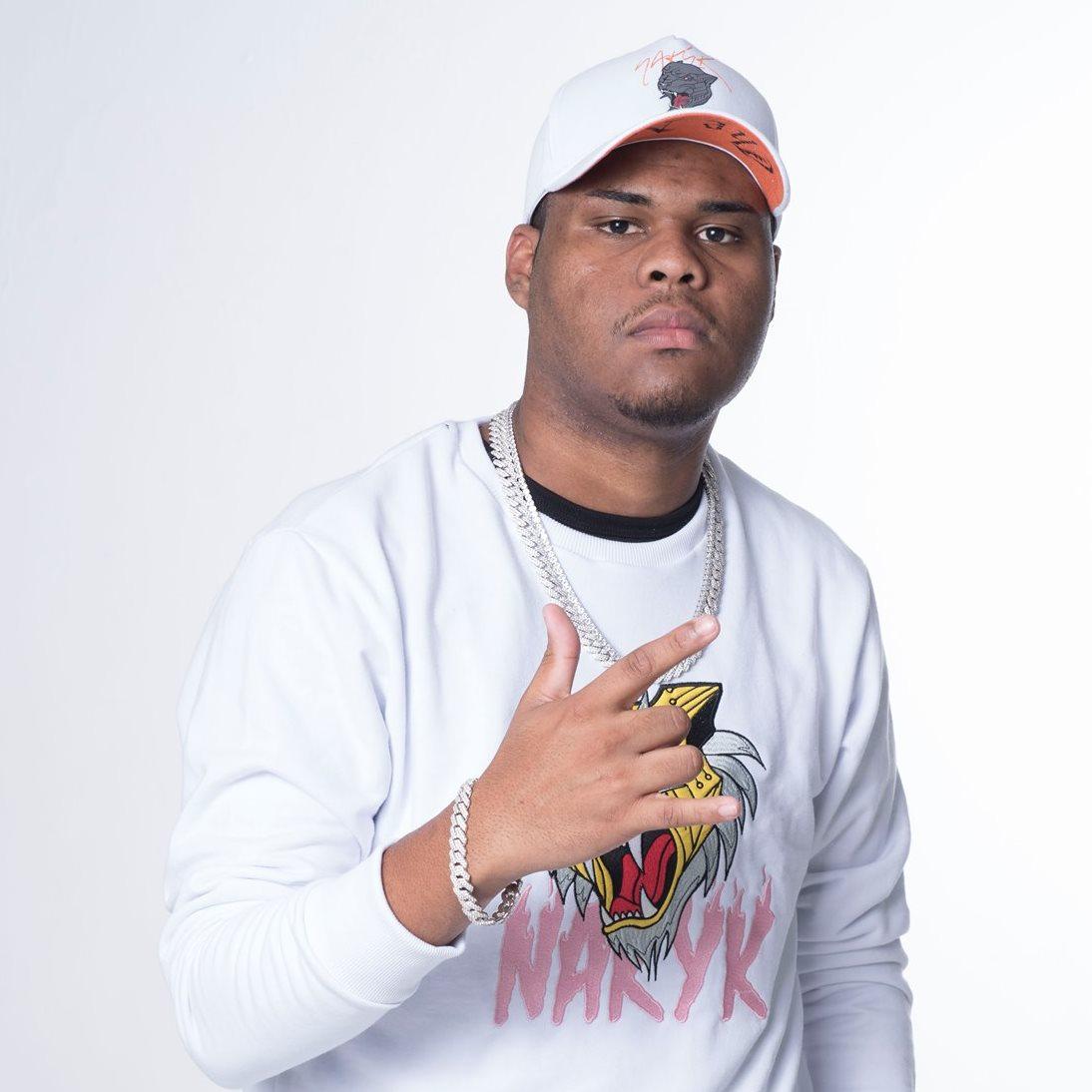
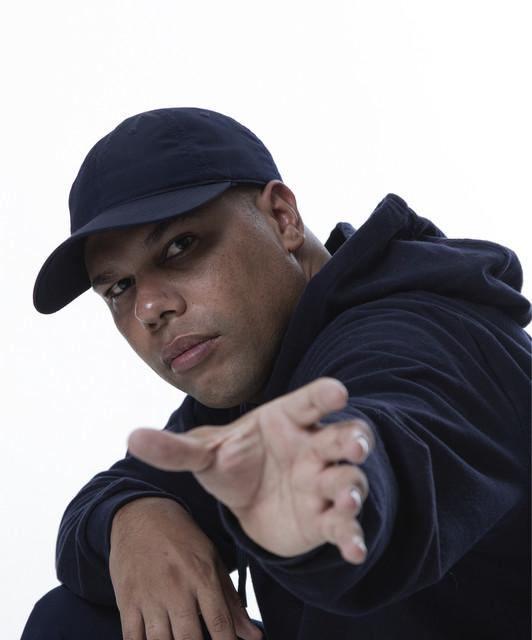
DJ Piu

Latin
Funk Carioca
 Viberate Rank: 53294
 Viberate Rank: 53294
 Monthly ListenersFollowers
 Subscribers
 Followers
 Followers
 FansTop Spotify Songs
| Track | 7-Day Streams | |
|---|---|---|
1 | 16.14K | |
2 | 15.20K | |
3 | 4.08K | |
4 | 3.91K | |
5 | 3.90K |
Top YouTube Videos| Video | 7-Day Views | |
|---|---|---|
1 | 11 |
Monthly ListenersFeatured in Playlists| Playlist | Followers | |
|---|---|---|
1 |  Baile Funk 🔥 Funk 2026 Melhor do Funk 2026 ONErpm | 265.69K |
2 | Funk pra treinar da Re renatacarneiro | 86.42K |
3 |  FUNK RAVE 2024 iNFINITY | 74.27K |
4 |  MANDELAO 2026 🔞 kazuo | 62.18K |
5 |  Mc Don Juan Antigas Leonardo Rocha | 56.01K |
Audience| City | Monthly Listeners | |
|---|---|---|
1 | | 50.87K |
2 | | 9.17K |
3 | | 5.85K |
4 | | 5.81K |
5 | | 5.74K |
See full performance history, audience data, playlist activity, rankings, comparisons, and more in Viberate music analytics. Start with a free trial, then continue with a paid plan.
DJ Piu’s Spotify BioCarlos Eduardo da Silva, popularmente conhecido como DJ PIU deu seu primeiro passo profissional no funk no ano de 2008, quando tocava em festas e bailes da época.
Em seu primeiro sucesso ‘Vai tchuchuca’ junto com os artistas MC Nando e Luanzinho, o artista alcançou seu próximo degrau do sucesso, sendo reconhecido em todos os bailes de São Paulo e em diversos estados do Brasil, se apresentando pouco tempo depois para mais de 40 mil pessoas no Baile do Poderoso em São Paulo.
Durante o ano de 2019, Piu já viajou por todos os estados do Brasil, levando seu show para turnês na Europa.
Em seus 12 anos no mercado artístico, é considerado o artista que mais produziu videoclipes no país, estourando seus sucessos em todo o território nacional. Seu trabalho também ganhou reconhecimento internacional com shows feitos em diversos lugares do mundo, sendo um dos mais destacados no Spotify.
Viberate is a music analytics platform built for A&Rs, artist managers, labels, booking agents, marketers, and artists.
It helps music professionals track artist growth, analyze audience data, monitor playlist activity, compare artists, follow song performance, and identify opportunities across the music market.
Public artist pages provide a free preview of selected artist data. Paid plans provide access to deeper analytics, historical data, charts, comparisons, playlist tools, exports, alerts, reports, and additional professional features.
Yes. Public Viberate artist pages provide selected artist analytics and music data for free.
Viberate also offers a 7-day free trial of the full platform. A credit card is required to start the trial. The trial includes access to the complete product so users can test deeper artist analytics, historical views, playlist insights, comparisons, charts, exports, alerts, and reporting features before choosing a paid plan.
Viberate provides artist analytics across streaming, playlists, social media, video, radio airplay, songs, and audience markets.
Users can analyze Spotify performance, Spotify and Apple Music playlists, YouTube activity, TikTok and Instagram growth, radio spins, song performance, audience locations, demographics, rankings, and overall artist momentum.
Artist profiles also connect to music charts, similar artists, and comparison tools, helping users benchmark performance and evaluate artists in context.
Viberate updates key artist and track data daily.
For followed artists and tracks, selected data is refreshed multiple times per day. This helps teams monitor playlist changes, streaming movement, audience growth, releases, and campaign performance with more current data.
Update frequency can vary depending on the metric and data source.
Yes. Viberate lets users compare up to five artists side by side across streaming, social media, audience, and engagement metrics.
Users can compare fanbase growth, audience demographics, locations, Spotify performance, social metrics, and other artist data over selected time periods.
Artist comparison can be used for A&R scouting, benchmarking, booking decisions, campaign planning, and evaluating artists with similar audiences or market positions.