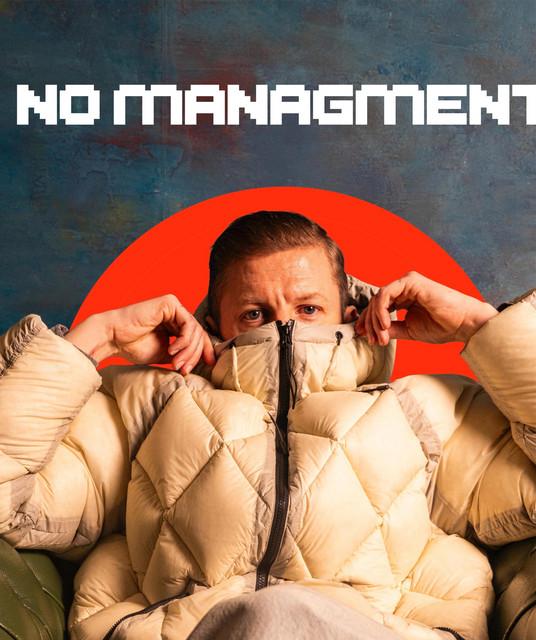
DJ Ironik

Hip Hop
Alternative Hip Hop
Contemporary R&B
 Viberate Rank: 46764
 Viberate Rank: 46764
 Monthly ListenersFollowers
 Subscribers
 Followers
 Followers
 FansTop Spotify SongsTop YouTube VideosMonthly ListenersFeatured in Playlists
| Playlist | Followers | |
|---|---|---|
1 |  Bluetooth Classics Spotify | 112.09K |
2 |  Now 1 - 114 (1983 - 2023) Now That's What I Call Music 1 - 114 abundantmusic | 56.69K |
3 |  New Age Rap Velocity Records | 30.64K |
4 | Throw backs 2000+ Ryan Machin | 30.57K |
5 |  Acoustic Versions & Covers Louise Julin | 26.59K |
Audience| City | Monthly Listeners | |
|---|---|---|
1 | | 21.40K |
2 | | 12.24K |
3 | | 8.30K |
4 | | 3.37K |
5 | | 2.48K |
See full performance history, audience data, playlist activity, rankings, comparisons, and more in Viberate music analytics. Start with a free trial, then continue with a paid plan.
DJ Ironik’s Spotify BioUndoubtedly the first and probably the last hip-hop artist to sample Westlife, the multi-talented Ironik is one of the rising talents of the U.K.'s urban music scene. Born Michael Laurence in 1988, Ironik started DJing at the age of 13 at his uncle Steve Gordon's TwiceasNice parties and later earned a support slot on So Solid Crew's U.K. tour. At 16 he was producing for various artists, and at 20 he signed to the Asylum label, an offshoot of Atlantic/Warner Bros., under the moniker Ironik. Building up a loyal Internet following, he was voted the number one unsigned artist on MySpace for three months and his first single, "So Nice," became a staple on the urban music Channel U.
Ironik's second release, "Stay with Me," became his breakthrough hit, charting at number five in the U.K. Written about his fears for his ten-year-old sister growing up in a society rife with knife crime and violence, it bizarrely sampled "Written in the Stars," a track from Westlife's Unbreakable, Vol. 1: The… Greatest Hits album. Inspired by U.K. grime artists Wiley and Dizzee Rascal, and U.S. hip-hop stars Kanye West and Lupe Fiasco, his debut album, No Point in Wasting Tears, appeared in 2008. Ironik also had his own radio show on Xtreme FM, and launched his own label, Venemous Records.
The Elton John-sampling and -featuring "Tiny Dancer (Hold Me Closer)" became his biggest chart entry, reaching number three in the U.K. in 2010. A pair of EPs, Independently Unstoppable and T.O.B.D (Ticking Off Boyhood Dreams), followed in 2013 and 2015, respectively, paving the way for his second album, 2017's Truth Be Told, on RU Listening Records. ~ Jon O'Brien, Rovi
Viberate is a music analytics platform built for A&Rs, artist managers, labels, booking agents, marketers, and artists.
It helps music professionals track artist growth, analyze audience data, monitor playlist activity, compare artists, follow song performance, and identify opportunities across the music market.
Public artist pages provide a free preview of selected artist data. Paid plans provide access to deeper analytics, historical data, charts, comparisons, playlist tools, exports, alerts, reports, and additional professional features.
Yes. Public Viberate artist pages provide selected artist analytics and music data for free.
Viberate also offers a 7-day free trial of the full platform. A credit card is required to start the trial. The trial includes access to the complete product so users can test deeper artist analytics, historical views, playlist insights, comparisons, charts, exports, alerts, and reporting features before choosing a paid plan.
Viberate provides artist analytics across streaming, playlists, social media, video, radio airplay, songs, and audience markets.
Users can analyze Spotify performance, Spotify and Apple Music playlists, YouTube activity, TikTok and Instagram growth, radio spins, song performance, audience locations, demographics, rankings, and overall artist momentum.
Artist profiles also connect to music charts, similar artists, and comparison tools, helping users benchmark performance and evaluate artists in context.
Viberate updates key artist and track data daily.
For followed artists and tracks, selected data is refreshed multiple times per day. This helps teams monitor playlist changes, streaming movement, audience growth, releases, and campaign performance with more current data.
Update frequency can vary depending on the metric and data source.
Yes. Viberate lets users compare up to five artists side by side across streaming, social media, audience, and engagement metrics.
Users can compare fanbase growth, audience demographics, locations, Spotify performance, social metrics, and other artist data over selected time periods.
Artist comparison can be used for A&R scouting, benchmarking, booking decisions, campaign planning, and evaluating artists with similar audiences or market positions.