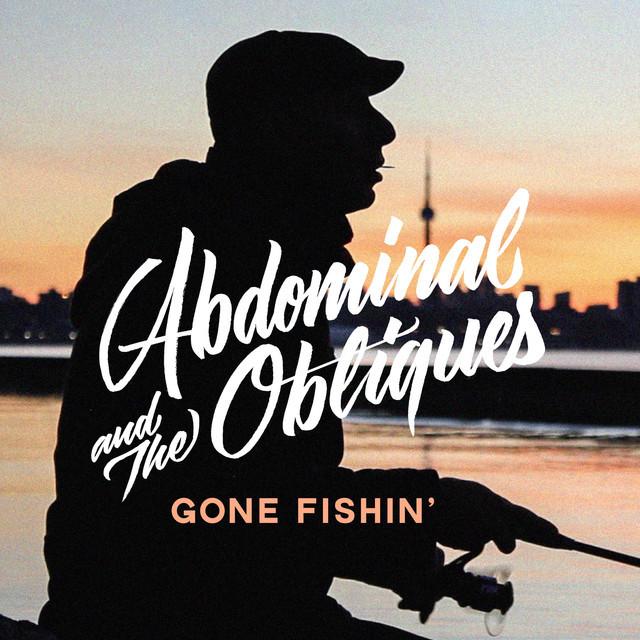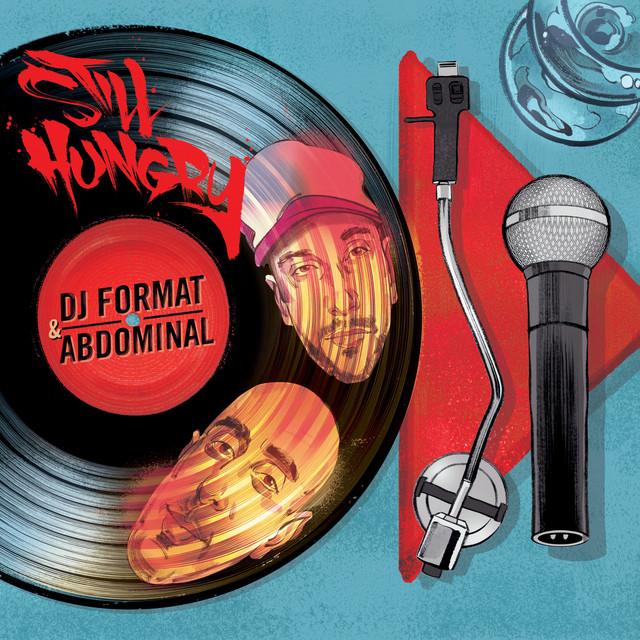
DJ Format

Hip Hop
Alternative Hip Hop
 Viberate Rank: 125959
 Viberate Rank: 125959
 Monthly ListenersFollowers
 Subscribers
 Followers
 Followers
 FansTop Spotify Songs
| Track | 7-Day Streams | |
|---|---|---|
1 | 4.48K | |
2 | 4.10K | |
3 | 3.73K | |
4 | 1.77K | |
5 | 1.60K |
Top YouTube VideosMonthly ListenersFeatured in Playlists| Playlist | Followers | |
|---|---|---|
1 |  [ TRIP HOP ] JM Jourdan | 57.77K |
2 |  Breakdance Beats bboy-net | 36.15K |
3 | Rap Old School hugo_2k | 25.59K |
4 |  Jazzy Trip Hop & Nu Jazz JazzHopCafe | 23.38K |
5 | ppanaych1 | 19.98K |
Audience| City | Monthly Listeners | |
|---|---|---|
1 | | 1.96K |
2 |  | 784 |
3 | | 769 |
4 | | 666 |
5 | | 489 |
See full performance history, audience data, playlist activity, rankings, comparisons, and more in Viberate music analytics. Start with a free trial, then continue with a paid plan.
DJ Format’s Spotify BioInfluenced predominantly by golden-age hip-hop of the late '80s and early '90s, DJ Format is a British DJ/producer affiliated with Genuine Records who dabbles in other old-school breakbeat-driven styles as well, as showcased on his variety of mix albums. Born Matt Ford in Southampton, England, DJ Format made his solo recording debut in 1999 with the English Lesson 12" EP on Bomb Hip-Hop Records. He subsequently remixed a couple Mo Wax singles (Major Force's "The Re-Return of the Original Art-Form," 2000; Nigo's "March of the General," 2001) and signed a recording contract with Genuine Records, a soul-themed subsidiary of Play It Again Sam. The label issued his Ill Culinary Behaviour 12" (2002) as its inaugural release, followed by the full-length album Music for the Mature B-Boy (2003) and several additional 12" singles spawned from the album, most notably "We Know Something You Don't Know" featuring Jurassic 5 rappers Akil and Chali 2na.
In the wake of his well-received debut album, DJ… Format released the mix album A Right Earful, Vol. 1 (2004) on Antidote Records and recorded a follow-up studio album for Genuine Records, If You Can't Join 'Em...Beat 'Em (2005). Like its predecessor, the album prominently features Canadian underground rapper Abdominal, who appears on the lead single ("3 Feet Deep") and its two follow-ups ("Separated at Birth," "Rap Machine"). Also like before, DJ Format released a mix album, Fabriclive.27 (2006) in the wake of If You Can't Join 'Em...Beat 'Em's critical acclaim. While the Fabric mix showcased his broad range of musical interests, DJ Format's next mix album, Fania DJ Series (2007), dug even deeper, highlighting his interest in Latin soul and boogaloo of the 1960s and '70s. Several more mix albums followed over the next few years before Format finally dropped his long-awaited third studio effort, Statement of Intent, in 2012. As if to make up for the long gap, he had another album ready to drop the very next year. While his previous efforts had featured various vocalists, The Foremost was his first true duo album, with rapper Phill Most Chill appearing on every track and the pair sharing equal billing on the cover. Arriving in 2017, Still Hungry repeated the trick, but this time with his longstanding collaborator Abdominal. ~ Jason Birchmeier, Rovi
Viberate is a music analytics platform built for A&Rs, artist managers, labels, booking agents, marketers, and artists.
It helps music professionals track artist growth, analyze audience data, monitor playlist activity, compare artists, follow song performance, and identify opportunities across the music market.
Public artist pages provide a free preview of selected artist data. Paid plans provide access to deeper analytics, historical data, charts, comparisons, playlist tools, exports, alerts, reports, and additional professional features.
Yes. Public Viberate artist pages provide selected artist analytics and music data for free.
Viberate also offers a 7-day free trial of the full platform. A credit card is required to start the trial. The trial includes access to the complete product so users can test deeper artist analytics, historical views, playlist insights, comparisons, charts, exports, alerts, and reporting features before choosing a paid plan.
Viberate provides artist analytics across streaming, playlists, social media, video, radio airplay, songs, and audience markets.
Users can analyze Spotify performance, Spotify and Apple Music playlists, YouTube activity, TikTok and Instagram growth, radio spins, song performance, audience locations, demographics, rankings, and overall artist momentum.
Artist profiles also connect to music charts, similar artists, and comparison tools, helping users benchmark performance and evaluate artists in context.
Viberate updates key artist and track data daily.
For followed artists and tracks, selected data is refreshed multiple times per day. This helps teams monitor playlist changes, streaming movement, audience growth, releases, and campaign performance with more current data.
Update frequency can vary depending on the metric and data source.
Yes. Viberate lets users compare up to five artists side by side across streaming, social media, audience, and engagement metrics.
Users can compare fanbase growth, audience demographics, locations, Spotify performance, social metrics, and other artist data over selected time periods.
Artist comparison can be used for A&R scouting, benchmarking, booking decisions, campaign planning, and evaluating artists with similar audiences or market positions.