DJ ELLO

Electronic
Dance
 Viberate Rank: 467895
 Viberate Rank: 467895
 Monthly ListenersFollowers
 Subscribers
 Followers
 Followers
 FansTop Spotify Songs
| Track | 7-Day Streams | |
|---|---|---|
1 | 203 | |
2 | 98 | |
3 | 5 | |
4 | 1 | |
5 | 1 |
Top YouTube VideosMonthly ListenersFeatured in Playlists| Playlist | Followers | |
|---|---|---|
1 |  Car Music - Best of 2026 Dance-Charts | 22.80K |
2 |  DANCE 2026 HITS 🎧 📀 | 17.98K |
3 |  TOP ELECTRO Raise Records | 4.47K |
4 |  THE WAVE SLL MUSIC | 3.58K |
5 |  Ibiza Sunsets & Beats Groover Obsessions | 3.07K |
Audience| City | Monthly Listeners | |
|---|---|---|
1 |  | 109 |
2 |  | 68 |
3 | | 45 |
4 | | 34 |
5 | | 31 |
See full performance history, audience data, playlist activity, rankings, comparisons, and more in Viberate music analytics. Start with a free trial, then continue with a paid plan.
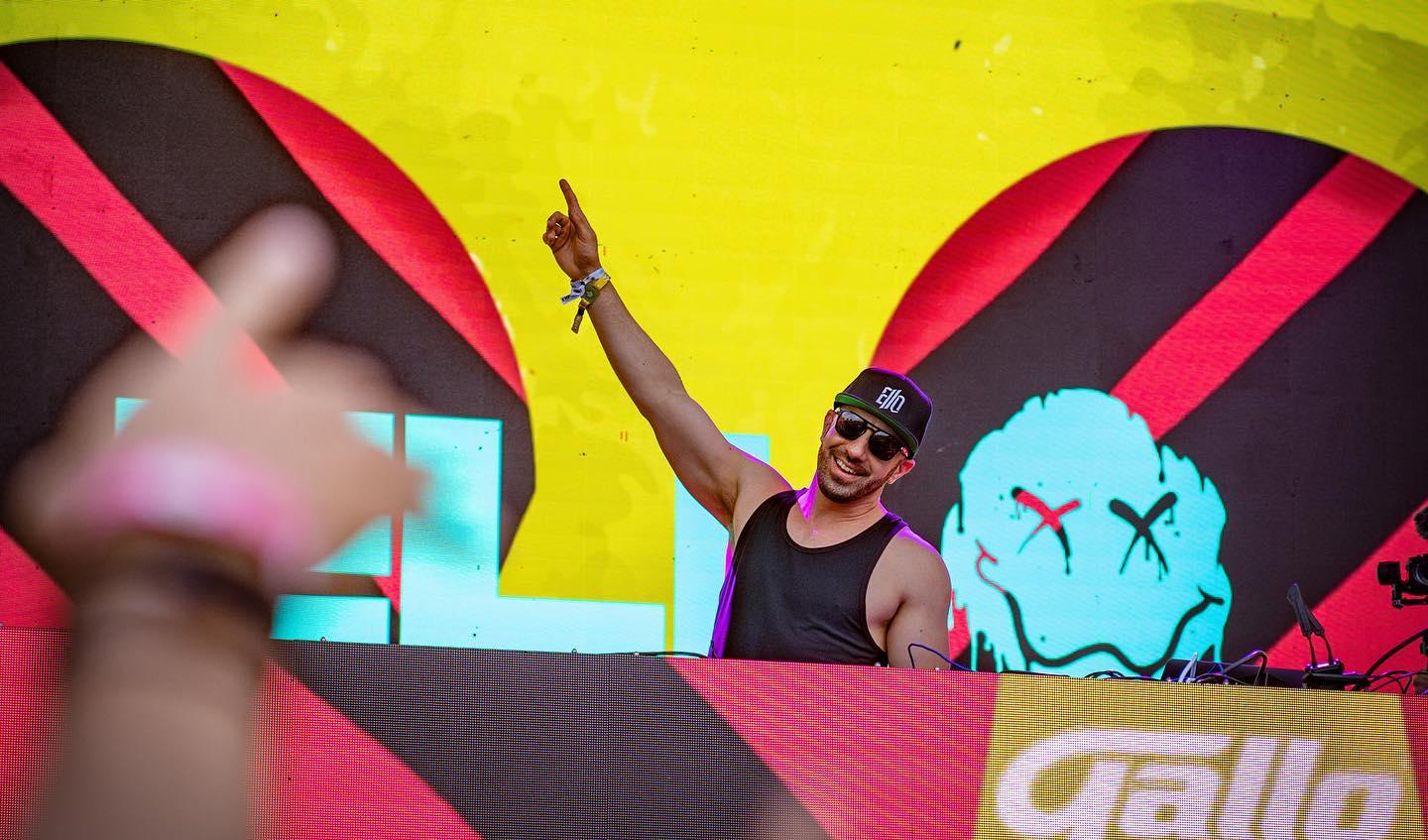
DJ ELLO’s Spotify BioEllo first got involved with techno, trance, and house as a teen. He was part of a new music scene that was about to take off. From parties to underground clubs Ello got involved in the sound and then the community. The same space of unity and respect that brought together ravers and club seekers encouraged new artists. Ello started because he wanted to create that space which first got him into the scene. His passion for DJing brought him from underground and industrial clubs to the legendary NYC venues such as “Limelight” and “Tunnel” to name a few. Ello’s heart-pounding beats helped him become a prominent DJ in the underground scene during the late 90’s into the early 2000’s. He then transitioned to the clubs up until today. Continuing to DJ, rocking large crowds at clubs and bars across NYC and Long Island NY.
In 2010, Ello began to compose and produce his own music. He set out to create the same sounds that inspired his love of music and DJing in the first place. He started out by… earning a degree in Audio Engineering at Five Towns College. Ello has since cumulated years of experience producing and crafting his ever-evolving sound. He aims to push his creative boundaries and bring a fusion of sounds to the dance floor. Integrating sounds from early trance and today’s EDM, Ello gets past and present together for a hybrid sound. His music keeps evolving to bring the same feeling he fell in love with to listeners today.
Viberate is a music analytics platform built for A&Rs, artist managers, labels, booking agents, marketers, and artists.
It helps music professionals track artist growth, analyze audience data, monitor playlist activity, compare artists, follow song performance, and identify opportunities across the music market.
Public artist pages provide a free preview of selected artist data. Paid plans provide access to deeper analytics, historical data, charts, comparisons, playlist tools, exports, alerts, reports, and additional professional features.
Yes. Public Viberate artist pages provide selected artist analytics and music data for free.
Viberate also offers a 7-day free trial of the full platform. A credit card is required to start the trial. The trial includes access to the complete product so users can test deeper artist analytics, historical views, playlist insights, comparisons, charts, exports, alerts, and reporting features before choosing a paid plan.
Viberate provides artist analytics across streaming, playlists, social media, video, radio airplay, songs, and audience markets.
Users can analyze Spotify performance, Spotify and Apple Music playlists, YouTube activity, TikTok and Instagram growth, radio spins, song performance, audience locations, demographics, rankings, and overall artist momentum.
Artist profiles also connect to music charts, similar artists, and comparison tools, helping users benchmark performance and evaluate artists in context.
Viberate updates key artist and track data daily.
For followed artists and tracks, selected data is refreshed multiple times per day. This helps teams monitor playlist changes, streaming movement, audience growth, releases, and campaign performance with more current data.
Update frequency can vary depending on the metric and data source.
Yes. Viberate lets users compare up to five artists side by side across streaming, social media, audience, and engagement metrics.
Users can compare fanbase growth, audience demographics, locations, Spotify performance, social metrics, and other artist data over selected time periods.
Artist comparison can be used for A&R scouting, benchmarking, booking decisions, campaign planning, and evaluating artists with similar audiences or market positions.