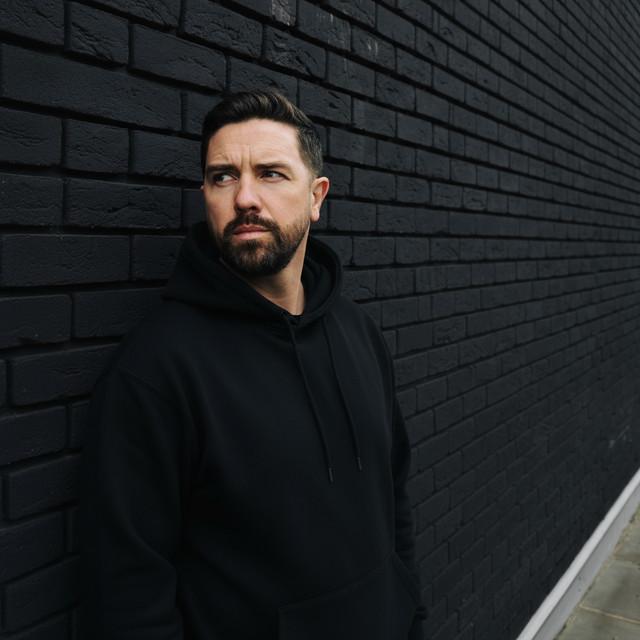
DJ Deeon

Electronic
House
Other Electronic Music
 Viberate Rank: 69594
 Viberate Rank: 69594
 Monthly ListenersFollowers
 Subscribers
 Followers
 Followers
 FansTop Spotify Songs
| Track | 7-Day Streams | |
|---|---|---|
1 | 80.42K | |
2 | 36.70K | |
3 | 22.42K | |
4 | 11.42K | |
5 | 10.31K |
Top YouTube VideosMonthly ListenersFeatured in Playlists| Playlist | Followers | |
|---|---|---|
1 |  Summer Bangers Spotify | 763.96K |
2 |  Techno Rave.💊 TheonlyMajed | 715.91K |
3 |  HOUSE MUSIC aryo | 366.60K |
4 |  Open Air Spotify | 227.39K |
5 |  IBIZA CLASSICS 🍹1990-2026 Lounge & Restaurant | 220.32K |
Audience| City | Monthly Listeners | |
|---|---|---|
1 |  | 21.94K |
2 | | 16.03K |
3 | | 9.13K |
4 | | 4.31K |
5 |  | 4.13K |
See full performance history, audience data, playlist activity, rankings, comparisons, and more in Viberate music analytics. Start with a free trial, then continue with a paid plan.
DJ Deeon’s Spotify BioA legend of the Chicago house scene, DJ Deeon (aka Deeon Boyd) first plied his trade playing small house parties and selling mixtapes in local parking lots in the early '90s on Chicago's South Side, where he had grown up. Boyd started to produce his own tracks after getting hold of a Roland 606 and 303, taking the sound that had defined Chicago house and adding erotically charged lyrics to his tracks, creating what would be known as "ghetto house."
His first release, the Funk City EP, appeared in 1994 on the inspirational Chicago house label Dance Mania -- home to the likes of Paul Johnson, Lil' Louis, Robert Armani, and Marshall Jefferson -- and would be followed by a slew of releases for the label over the next few years. Tracks such as "House-O-Matic," "2 B Free," and "Freak Like Me" epitomized Deeon's sound and he became a sought-after name not just in Chicago but across the pond in Europe. Producing well over 30 singles for Dance Mania over a five-year period until 1999, when the… label closed down, Deeon continued with his ghetto sound, producing releases for Databass, Juke Trax, and Pro-Jex throughout the 2000s.
With a renewed interest in the ghetto house scene in the early 2010s -- and in particular the availability of the original Dance Mania releases -- Glasgow-based label Numbers released the Deeon Doez Deeon! EP in 2015, featuring four of his most celebrated tracks. A crowdfunded campaign to bring Deeon to the U.K. succeeded in early 2016, with Deeon playing sets at XoYo in London and a set at the final Bloc weekender. That year, a joint remix of Freak Like Me with Lee Walker released on Defected saw Deeon claiming his first ever U.K. singles chart placement, with the track bringing his trademark ghetto sound to a whole new audience. DJ Deeon died on July 18, 2023. ~ Rich Wilson, Rovi
Viberate is a music analytics platform built for A&Rs, artist managers, labels, booking agents, marketers, and artists.
It helps music professionals track artist growth, analyze audience data, monitor playlist activity, compare artists, follow song performance, and identify opportunities across the music market.
Public artist pages provide a free preview of selected artist data. Paid plans provide access to deeper analytics, historical data, charts, comparisons, playlist tools, exports, alerts, reports, and additional professional features.
Yes. Public Viberate artist pages provide selected artist analytics and music data for free.
Viberate also offers a 7-day free trial of the full platform. A credit card is required to start the trial. The trial includes access to the complete product so users can test deeper artist analytics, historical views, playlist insights, comparisons, charts, exports, alerts, and reporting features before choosing a paid plan.
Viberate provides artist analytics across streaming, playlists, social media, video, radio airplay, songs, and audience markets.
Users can analyze Spotify performance, Spotify and Apple Music playlists, YouTube activity, TikTok and Instagram growth, radio spins, song performance, audience locations, demographics, rankings, and overall artist momentum.
Artist profiles also connect to music charts, similar artists, and comparison tools, helping users benchmark performance and evaluate artists in context.
Viberate updates key artist and track data daily.
For followed artists and tracks, selected data is refreshed multiple times per day. This helps teams monitor playlist changes, streaming movement, audience growth, releases, and campaign performance with more current data.
Update frequency can vary depending on the metric and data source.
Yes. Viberate lets users compare up to five artists side by side across streaming, social media, audience, and engagement metrics.
Users can compare fanbase growth, audience demographics, locations, Spotify performance, social metrics, and other artist data over selected time periods.
Artist comparison can be used for A&R scouting, benchmarking, booking decisions, campaign planning, and evaluating artists with similar audiences or market positions.