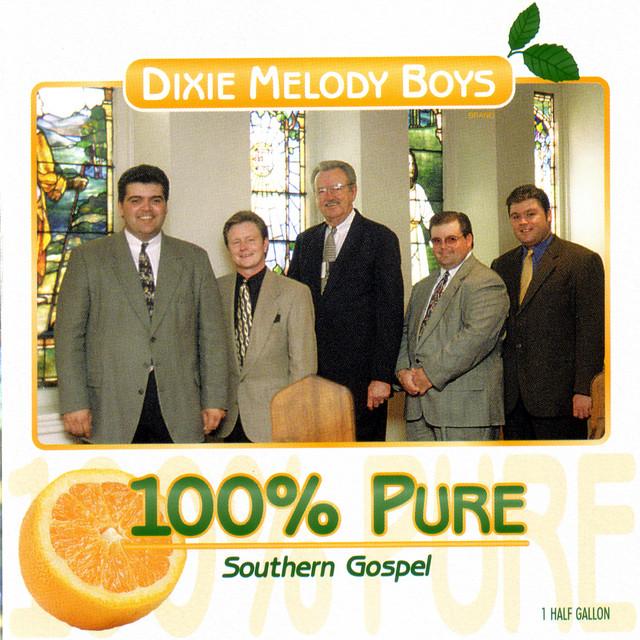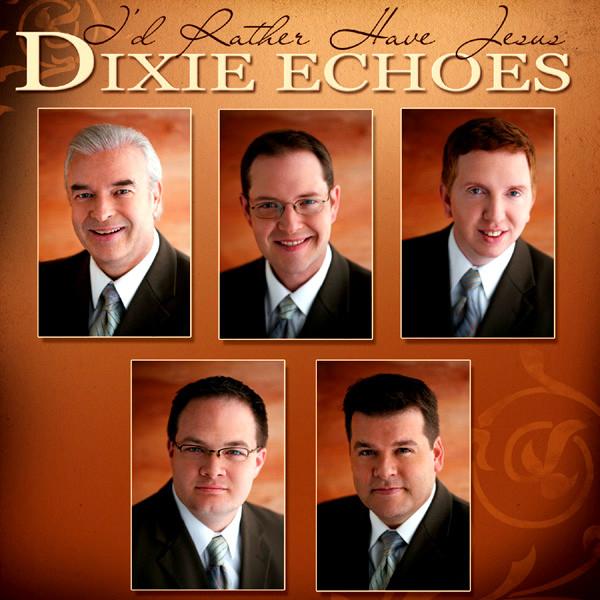
Dixie Echoes

Religious
Christian Music
Gospel
 Viberate Rank: 291990
 Viberate Rank: 291990
 Monthly ListenersFollowers
 Subscribers
 Followers
 Followers
 FansTop Spotify Songs
| Track | 7-Day Streams | |
|---|---|---|
1 | 212 | |
2 | 51 | |
3 | 39 | |
4 | 35 | |
5 | 24 |
Top YouTube VideosMonthly ListenersFeatured in Playlists| Playlist | Followers | |
|---|---|---|
1 |  The Best of Southern Gospel John Miller - Enterprise, AL | 1.54K |
2 |  The Red-back Hymnal Isaiah C | 1.11K |
3 | Southern Gospel Quartet only Blake89 | 1.06K |
4 |  NQC Radio NQC | 1.03K |
Audience| City | Monthly Listeners | |
|---|---|---|
1 | | 42 |
2 | | 35 |
3 | | 17 |
4 | | 17 |
5 | | 17 |
See full performance history, audience data, playlist activity, rankings, comparisons, and more in Viberate music analytics. Start with a free trial, then continue with a paid plan.
Dixie Echoes’ Spotify BioOriginating from Pensacola, Florida, USA, gospel vocal group the Dixie Echoes was formed in 1960 by Dale Shelnut. The ever-changing line-ups of this enduring southern gospel unit have featured his sons Randy Shelnut Snr. (lead) and Randy Shelnut Jnr. (baritone), Randy Harper (piano), Jimmy Holmes (drums), Billy Hodges (tenor), and Billy Todd (bass). From 1960 onwards the group became a popular attraction at church and community gatherings for their authentic renditions of southern spirituals, alongside hymns and country gospel songs. In addition to standards, the group also wrote a large number of original compositions. They were effectively led by lead singer and manager Dale Shelnut, an energetic and active member of the southern gospel community. His son Randy Shelnut Snr. took over the leadership of the group in later years. Best known nationally for their performances on The Gospel Singing Jubilee television show, by the end of the 70s the Dixie Echoes had recorded over 20 albums… including many for Supreme. In the 80s and 90s they were less prolific, though they remained active on the Florida scene.
Viberate is a music analytics platform built for A&Rs, artist managers, labels, booking agents, marketers, and artists.
It helps music professionals track artist growth, analyze audience data, monitor playlist activity, compare artists, follow song performance, and identify opportunities across the music market.
Public artist pages provide a free preview of selected artist data. Paid plans provide access to deeper analytics, historical data, charts, comparisons, playlist tools, exports, alerts, reports, and additional professional features.
Yes. Public Viberate artist pages provide selected artist analytics and music data for free.
Viberate also offers a 7-day free trial of the full platform. A credit card is required to start the trial. The trial includes access to the complete product so users can test deeper artist analytics, historical views, playlist insights, comparisons, charts, exports, alerts, and reporting features before choosing a paid plan.
Viberate provides artist analytics across streaming, playlists, social media, video, radio airplay, songs, and audience markets.
Users can analyze Spotify performance, Spotify and Apple Music playlists, YouTube activity, TikTok and Instagram growth, radio spins, song performance, audience locations, demographics, rankings, and overall artist momentum.
Artist profiles also connect to music charts, similar artists, and comparison tools, helping users benchmark performance and evaluate artists in context.
Viberate updates key artist and track data daily.
For followed artists and tracks, selected data is refreshed multiple times per day. This helps teams monitor playlist changes, streaming movement, audience growth, releases, and campaign performance with more current data.
Update frequency can vary depending on the metric and data source.
Yes. Viberate lets users compare up to five artists side by side across streaming, social media, audience, and engagement metrics.
Users can compare fanbase growth, audience demographics, locations, Spotify performance, social metrics, and other artist data over selected time periods.
Artist comparison can be used for A&R scouting, benchmarking, booking decisions, campaign planning, and evaluating artists with similar audiences or market positions.