Disillusion

Metal
Death Metal
Progressive Metal
 Viberate Rank: 170065
 Viberate Rank: 170065
 Monthly ListenersFollowers
 Subscribers
 Followers
 Followers
 FansTop Spotify Songs
| Track | 7-Day Streams | |
|---|---|---|
1 | 897 | |
2 | 512 | |
3 | 465 | |
4 | 448 | |
5 | 392 |
Top YouTube VideosMonthly ListenersFeatured in Playlists| Playlist | Followers | |
|---|---|---|
1 | BEST GUITAR SOLOS OF ALL TIME t.riccardo | 95.19K |
2 |  Melodic Death Metal Essentials Lauri Helenius | 14.99K |
3 |  Heavy Metal Instrumentals 🎸 JaviFlames | 13.79K |
4 |  Post Metal Laura | 7.44K |
5 |  Experimental Metal / Avant-Garde Metal Eric Marvin | 4.07K |
Audience| City | Monthly Listeners | |
|---|---|---|
1 | | 102 |
2 | | 95 |
3 | | 80 |
4 | | 78 |
5 | | 76 |
See full performance history, audience data, playlist activity, rankings, comparisons, and more in Viberate music analytics. Start with a free trial, then continue with a paid plan.
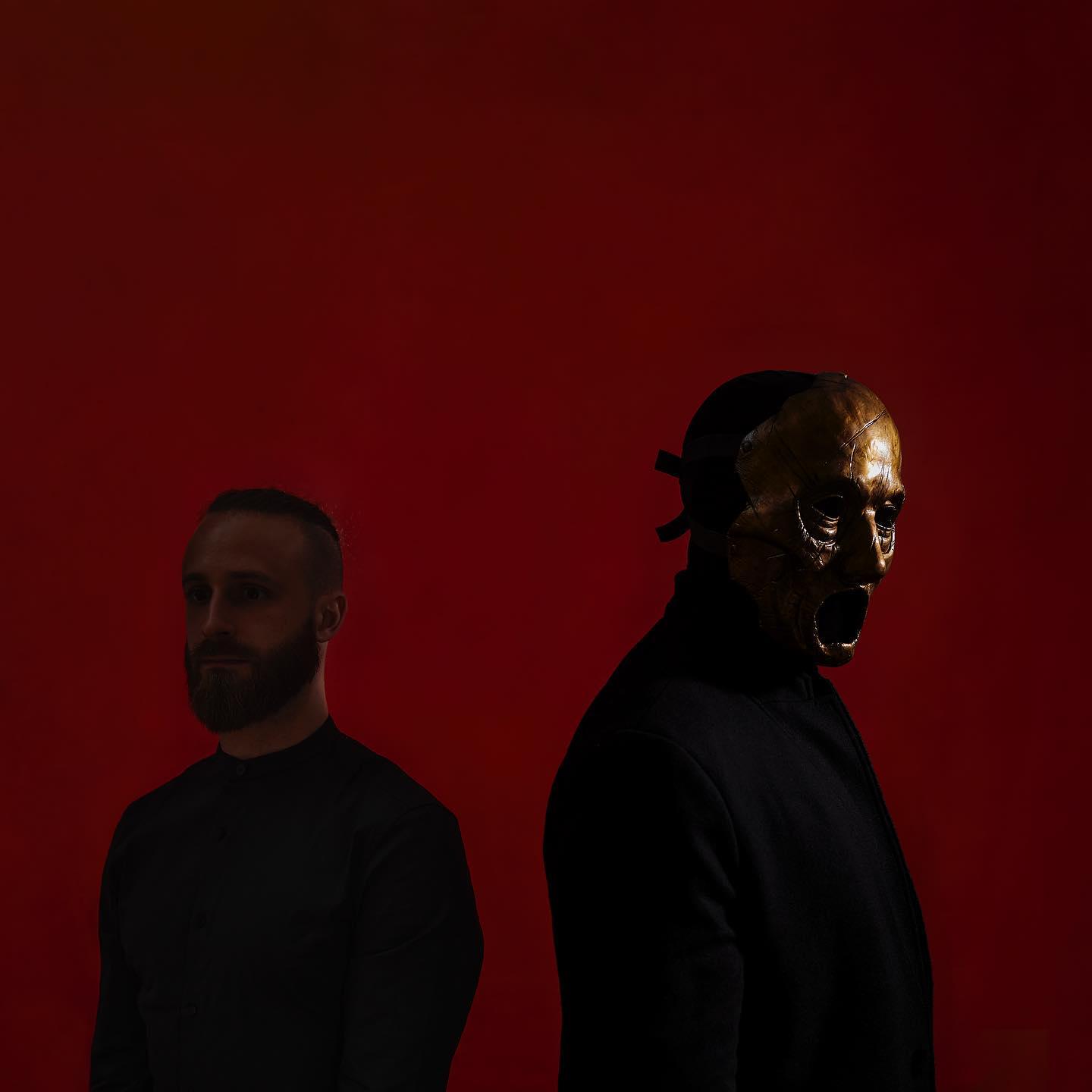
Disillusion’s Spotify BioGerman progressive metal band Disillusion slowly grew from thrashy roots to a sound that was an avant-garde take on melodic death metal, maturing slowly as they experimented on sporadically released albums. Disillusion embraces a wide variety of unlikely combinations of sound and style, bringing together ambient folk, euphoric electronics, pummeling metal intensity, and more on albums like 2022's Ayam.
Formed in Leipzig, Germany, in 1994, Disillusion started out playing standard death/thrash metal and issuing several demos before the decade ran out. The band went their separate ways by 1998, when none of their recordings had attracted any record label interest. However, the core duo of vocalist/guitarist Vurtox (real name Andy Schmidt) and drummer Alex Motz remained in touch and were soon working together again, so that by the time they'd revived Disillusion with 2001's Three Neuron Kings EP (also featuring guitarist Rajk Barthel), progressive tendencies had taken hold of their… songwriting in a prominent way. For their first proper album, 2004's Back to Times of Splendor, on Metal Blade, Vurtox, Barthel, and new drummer Jens Maluschka were taking even more liberties with their metallic foundations and, come 2006's sophomore Gloria, the presence of electronic, ambient, classical, and alternative rock elements had rendered their music quite impossible to pigeonhole. The band would experience line-up changes and periods of dormancy throughout the 2010s and beyond, but released a third a album, The Liberation, in 2017, followed in 2022 by their fourth album, Ayam. ~ Eduardo Rivadavia, Rovi
Viberate is a music analytics platform built for A&Rs, artist managers, labels, booking agents, marketers, and artists.
It helps music professionals track artist growth, analyze audience data, monitor playlist activity, compare artists, follow song performance, and identify opportunities across the music market.
Public artist pages provide a free preview of selected artist data. Paid plans provide access to deeper analytics, historical data, charts, comparisons, playlist tools, exports, alerts, reports, and additional professional features.
Yes. Public Viberate artist pages provide selected artist analytics and music data for free.
Viberate also offers a 7-day free trial of the full platform. A credit card is required to start the trial. The trial includes access to the complete product so users can test deeper artist analytics, historical views, playlist insights, comparisons, charts, exports, alerts, and reporting features before choosing a paid plan.
Viberate provides artist analytics across streaming, playlists, social media, video, radio airplay, songs, and audience markets.
Users can analyze Spotify performance, Spotify and Apple Music playlists, YouTube activity, TikTok and Instagram growth, radio spins, song performance, audience locations, demographics, rankings, and overall artist momentum.
Artist profiles also connect to music charts, similar artists, and comparison tools, helping users benchmark performance and evaluate artists in context.
Viberate updates key artist and track data daily.
For followed artists and tracks, selected data is refreshed multiple times per day. This helps teams monitor playlist changes, streaming movement, audience growth, releases, and campaign performance with more current data.
Update frequency can vary depending on the metric and data source.
Yes. Viberate lets users compare up to five artists side by side across streaming, social media, audience, and engagement metrics.
Users can compare fanbase growth, audience demographics, locations, Spotify performance, social metrics, and other artist data over selected time periods.
Artist comparison can be used for A&R scouting, benchmarking, booking decisions, campaign planning, and evaluating artists with similar audiences or market positions.