Disco D

Electronic
Techno
Alternative Hip Hop
 Viberate Rank: 572253
 Viberate Rank: 572253
 Monthly ListenersFollowers
 Subscribers
 Followers
 Followers
 FansTop Spotify Songs
| Track | 7-Day Streams | |
|---|---|---|
1 | 159 | |
2 | 149 | |
3 | 69 | |
4 | 58 | |
5 | 48 |
Top YouTube VideosMonthly ListenersFeatured in Playlists| Playlist | Followers | |
|---|---|---|
1 |  Ghettotech Eric Brightwell | 7.31K |
2 | Detroit Jit / Ghetto Tech Neal Ingram | 3.38K |
3 |  bloghouse, electroclash & indie sleaze + revival (2000s, 2020s) ben | 1.99K |
4 | Ghettotech & Miami Bass Ja Kobb | 1.99K |
5 |  Ghetto Tech / juke house holo456 | 1.83K |
Audience| City | Monthly Listeners | |
|---|---|---|
1 | | 119 |
2 | | 73 |
3 |  | 50 |
4 | | 48 |
5 |  | 45 |
See full performance history, audience data, playlist activity, rankings, comparisons, and more in Viberate music analytics. Start with a free trial, then continue with a paid plan.
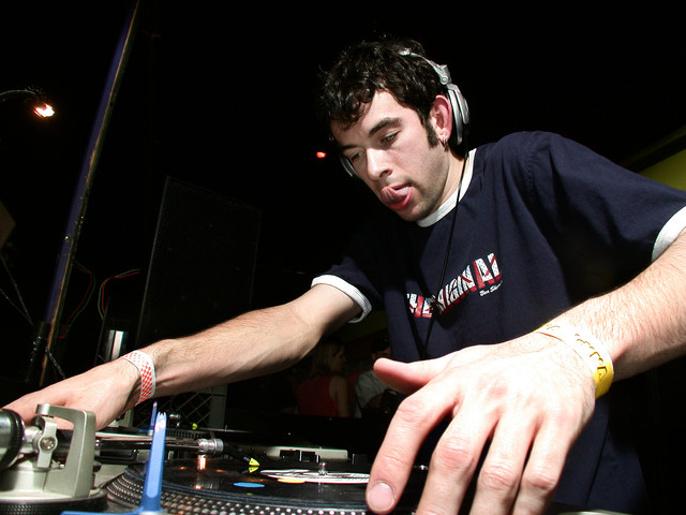
Disco D’s Spotify BioAs a teenager, Disco D (born David Shayman) became one of the major contributors -- along with DJ Godfather and DJ Assault -- to Detroit's ghetto-tech scene. A tireless DJ and a shrewd businessman, he played regularly in Detroit and his native Ann Arbor, increasing his presence with underground mixtapes that reflected his raunchy, rowdy, breakneck sets. By the end of the '90s, he was a regular presence in record bins, with 12" releases on Intuit-Solar, Bad Boy Bill's Contaminated, and his own GTI label. Remixes for the likes of Eightball & MJG ("Buck Bounce") and Da Brat ("Boom") were something of a gateway into the rap industry; the two best examples of his production work are AZ's "City of Gods" (off 2005's A.W.O.L.) and 50 Cent's "Ski Mask Way" (off 2005's The Massacre), which are as nuanced and graceful as his GTI releases are brutish. More curiously, he was the producer responsible for Kevin Federline's infamous "Popozão." In addition to his many scattered, commercially released… projects, he composed for VH1's Hip Hop Honors program, Nickelodeon's Kids' Choice Awards, and a handful of commercials. On January 22, 2007, while staying with his mother in Washington, D.C., he took his life, ending a long battle with bipolar disorder. At the time, a DVD documentary about his activities -- fittingly titled Hustle Harder -- was nearing completion, and he was establishing his Gringo Louco label to showcase Brazilian artists. The only officially released documents of his mixing skills are 2001's Straight Out tha Trunk and 2003's A Night at the Booty Bar. ~ Andy Kellman, Rovi
Viberate is a music analytics platform built for A&Rs, artist managers, labels, booking agents, marketers, and artists.
It helps music professionals track artist growth, analyze audience data, monitor playlist activity, compare artists, follow song performance, and identify opportunities across the music market.
Public artist pages provide a free preview of selected artist data. Paid plans provide access to deeper analytics, historical data, charts, comparisons, playlist tools, exports, alerts, reports, and additional professional features.
Yes. Public Viberate artist pages provide selected artist analytics and music data for free.
Viberate also offers a 7-day free trial of the full platform. A credit card is required to start the trial. The trial includes access to the complete product so users can test deeper artist analytics, historical views, playlist insights, comparisons, charts, exports, alerts, and reporting features before choosing a paid plan.
Viberate provides artist analytics across streaming, playlists, social media, video, radio airplay, songs, and audience markets.
Users can analyze Spotify performance, Spotify and Apple Music playlists, YouTube activity, TikTok and Instagram growth, radio spins, song performance, audience locations, demographics, rankings, and overall artist momentum.
Artist profiles also connect to music charts, similar artists, and comparison tools, helping users benchmark performance and evaluate artists in context.
Viberate updates key artist and track data daily.
For followed artists and tracks, selected data is refreshed multiple times per day. This helps teams monitor playlist changes, streaming movement, audience growth, releases, and campaign performance with more current data.
Update frequency can vary depending on the metric and data source.
Yes. Viberate lets users compare up to five artists side by side across streaming, social media, audience, and engagement metrics.
Users can compare fanbase growth, audience demographics, locations, Spotify performance, social metrics, and other artist data over selected time periods.
Artist comparison can be used for A&R scouting, benchmarking, booking decisions, campaign planning, and evaluating artists with similar audiences or market positions.