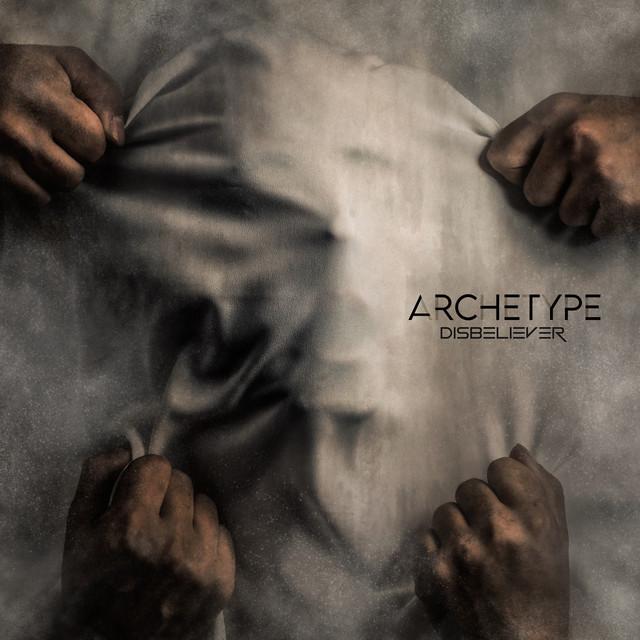
Disbeliever

Metal
Gothic Metal
 Viberate Rank: 484923
 Viberate Rank: 484923
 Monthly ListenersFollowers
 Subscribers
 Followers
 Followers
 FansTop Spotify Songs
| Track | 7-Day Streams | |
|---|---|---|
1 | 2 | |
2 | 2 | |
3 | 1 |
Top YouTube VideosMonthly ListenersFeatured in PlaylistsAudience| City | Monthly Listeners | |
|---|---|---|
1 | | 4 |
2 | | 3 |
3 |  | 3 |
See full performance history, audience data, playlist activity, rankings, comparisons, and more in Viberate music analytics. Start with a free trial, then continue with a paid plan.
Disbeliever’s Spotify BioThe band was born from an idea of Yuri Ciampi (guitar), Sacha Ciampi (drums) and Andy Madonia (bass),later joined by Luis McFadden and Marko Giampaolini (vox & guitar ex Motus Tenebrae). The synergy between the five musicians coming from different musical styles and experiences, allows to blend typically rock and metal sounds, shape a unique gothic style, which leads the band t o the first self produced work in 2009 entitled "Soul Divided". The composition and arrangements are a mix of melodies, gothic romantic atmospheres, heavy riffs and great vocal lines. In 2012 the band enters the studio for the writing of the second album entitled "The Dark Days" Days", recorded at the ACME recording studio together with the producer Davide Rosati and mastered in Sweden at the famous Fascination Street Studio by Jens Bogren (Moonspell, Opeth, Katatonia, Paradise Lost). "The Dark Days", released by Wormhole Death / Drea mcell in December 2013, is a much more accurate work as regards melodies and… arrangements, without neglecting the romantic atmospheres that distinguish the style of the band. The appreciations do not take too long this time too, excellent reviews and crit icisms ensure that the band carves out a respectable place within the national music circuit. Two videos "Ordinary Way" (2013) "Frozen" (2014) are extracted from the disc. Later join the band M4RT3 (Vocals) with his powerful and melodic voice and Robby DePaul (Guitars), guitarist with many different musical influences.
Viberate is a music analytics platform built for A&Rs, artist managers, labels, booking agents, marketers, and artists.
It helps music professionals track artist growth, analyze audience data, monitor playlist activity, compare artists, follow song performance, and identify opportunities across the music market.
Public artist pages provide a free preview of selected artist data. Paid plans provide access to deeper analytics, historical data, charts, comparisons, playlist tools, exports, alerts, reports, and additional professional features.
Yes. Public Viberate artist pages provide selected artist analytics and music data for free.
Viberate also offers a 7-day free trial of the full platform. A credit card is required to start the trial. The trial includes access to the complete product so users can test deeper artist analytics, historical views, playlist insights, comparisons, charts, exports, alerts, and reporting features before choosing a paid plan.
Viberate provides artist analytics across streaming, playlists, social media, video, radio airplay, songs, and audience markets.
Users can analyze Spotify performance, Spotify and Apple Music playlists, YouTube activity, TikTok and Instagram growth, radio spins, song performance, audience locations, demographics, rankings, and overall artist momentum.
Artist profiles also connect to music charts, similar artists, and comparison tools, helping users benchmark performance and evaluate artists in context.
Viberate updates key artist and track data daily.
For followed artists and tracks, selected data is refreshed multiple times per day. This helps teams monitor playlist changes, streaming movement, audience growth, releases, and campaign performance with more current data.
Update frequency can vary depending on the metric and data source.
Yes. Viberate lets users compare up to five artists side by side across streaming, social media, audience, and engagement metrics.
Users can compare fanbase growth, audience demographics, locations, Spotify performance, social metrics, and other artist data over selected time periods.
Artist comparison can be used for A&R scouting, benchmarking, booking decisions, campaign planning, and evaluating artists with similar audiences or market positions.