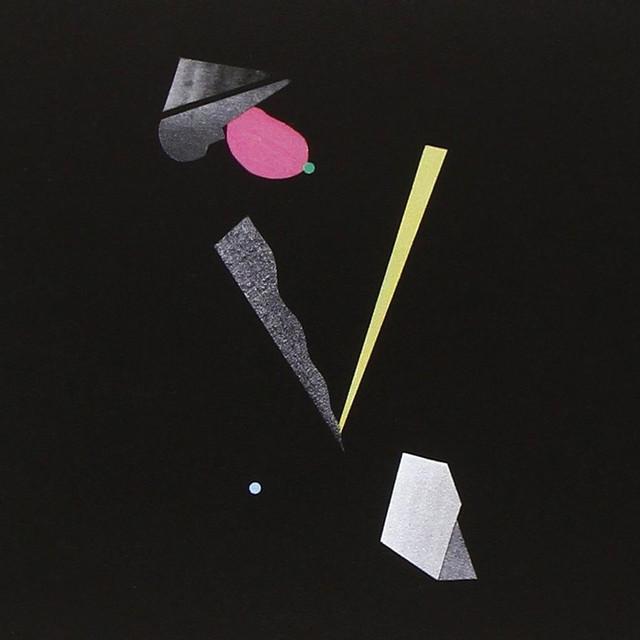
Disappears

Rock
Alternative Rock
Progressive Rock
 Viberate Rank: 256317
 Viberate Rank: 256317
 Monthly ListenersFollowers
 Subscribers
 Followers
 Followers
 FansTop Spotify Songs
| Track | 7-Day Streams | |
|---|---|---|
1 | 264 | |
2 | 114 | |
3 | 76 | |
4 | 45 | |
5 | 42 |
Top YouTube VideosMonthly ListenersFeatured in Playlists| Playlist | Followers | |
|---|---|---|
1 |  GOTH ULTIMATE LIST | DARK WAVE/POST-PUNK/GOTHIC ROCK/EBM/SYNTH/DEATH ROCK Annie Dark | 31.61K |
2 | Lee Moore | 16.02K |
3 | Annie Dark | 13.40K |
4 | Post-punk, Revival /New Wave/ Synthpop Mariles Jorge | 9.93K |
5 | space rock & psychedelia Edson Alejandro Adame | 8.05K |
Audience| City | Monthly Listeners | |
|---|---|---|
1 | | 45 |
2 | | 34 |
3 |  | 28 |
4 | | 26 |
5 | | 24 |
See full performance history, audience data, playlist activity, rankings, comparisons, and more in Viberate music analytics. Start with a free trial, then continue with a paid plan.
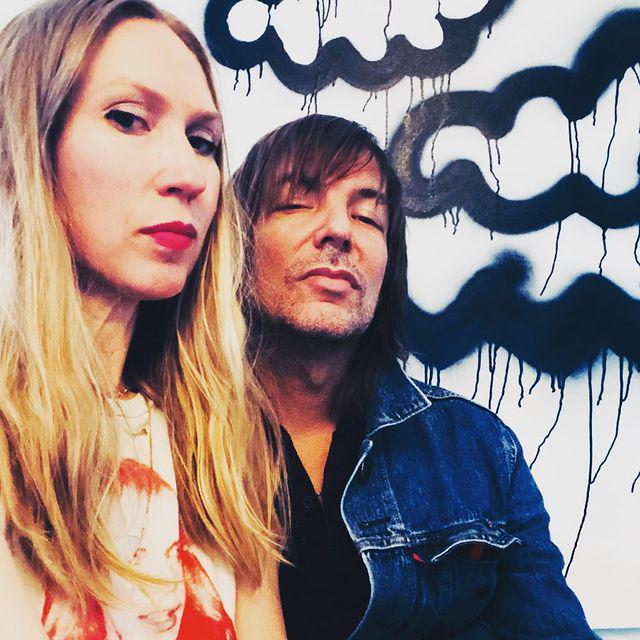
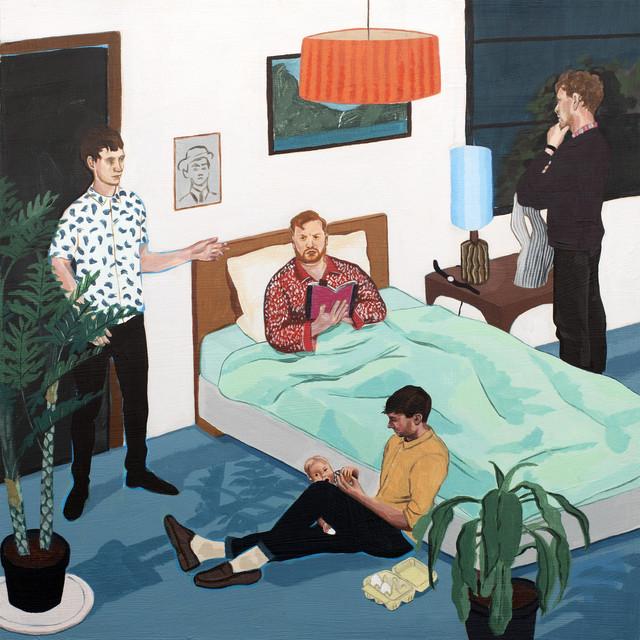
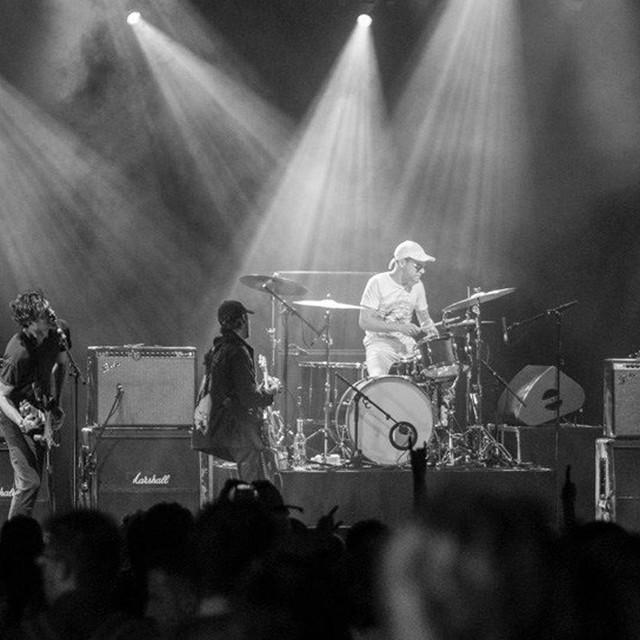
Disappears’ Spotify BioCarving out a space somewhere in the middle of garage punk snarl, shoegaze haze, and Krautrock grooves, Chicago's Disappears feature Brian Case (also of the Ponys and 90 Day Men), Boas members Graeme Gibson and Jonathan van Herik, and Damon Carruesco. The band started when Case's other groups were on hiatus and he was recording demos with Gibson; Gibson brought van Herik into the project, and in turn, van Herik brought Carruesco into the fold. Soon after forming, the band self-released a series of 7" singles with artwork based on Can's album Delay 1968, and made its material available for free on the Internet.
Disappears began recording their debut studio album and signed to Touch & Go, appearing at the label's showcase at 2009's South by Southwest festival, and also playing dates with Tortoise, Deerhunter, and Times New Viking. The band released 100 CD-Rs of Live Over the Rainbo -- a live album from the Deerhunter/Times New Viking tour -- which was eventually distributed by Plus Tapes… and Rococo Records later in 2009. Disappears continued to play more high-profile Chicago shows, including a gig at the Pitchfork Music Festival and a 2009 New Year's Eve show with the Jesus Lizard.
Late in the year, Disappears moved to Kranky Records, which released their official debut album, Lux, in 2010. The band also recorded a single with Sonic Youth's Steve Shelley and the noise duo White/Light. Disappears took a sleeker, more psychedelic approach on 2011's Guider; after Gibson left to pursue other opportunities, Shelley became the band's drummer. The following year's Pre Language, which was recorded at Sonic Youth's Echo Canyon West studio and mixed with John Congleton, was the first Disappears album to feature Shelley's work. Shelley departed the band due to touring conflicts, making way for former Anatomy of Habit drummer Noah Ledger.
Disappears self-released the Kone EP early in 2013, and the starker approach they took on those songs continued on their fourth album, Era, which arrived that August. In 2014, the band played David Bowie's classic Low at the Museum of Contemporary Art Chicago as a part of the Bowie Changes concert series; some of that album's arty darkness was also reflected on their next full-length, Irreal. Recorded with John Congleton at Steve Albini's Electrical Audio studio, the album was released in January 2015. Late that year, Low: Live in Chicago, a document of the Museum of Contemporary Art performance, arrived. ~ Heather Phares, Rovi
Viberate is a music analytics platform built for A&Rs, artist managers, labels, booking agents, marketers, and artists.
It helps music professionals track artist growth, analyze audience data, monitor playlist activity, compare artists, follow song performance, and identify opportunities across the music market.
Public artist pages provide a free preview of selected artist data. Paid plans provide access to deeper analytics, historical data, charts, comparisons, playlist tools, exports, alerts, reports, and additional professional features.
Yes. Public Viberate artist pages provide selected artist analytics and music data for free.
Viberate also offers a 7-day free trial of the full platform. A credit card is required to start the trial. The trial includes access to the complete product so users can test deeper artist analytics, historical views, playlist insights, comparisons, charts, exports, alerts, and reporting features before choosing a paid plan.
Viberate provides artist analytics across streaming, playlists, social media, video, radio airplay, songs, and audience markets.
Users can analyze Spotify performance, Spotify and Apple Music playlists, YouTube activity, TikTok and Instagram growth, radio spins, song performance, audience locations, demographics, rankings, and overall artist momentum.
Artist profiles also connect to music charts, similar artists, and comparison tools, helping users benchmark performance and evaluate artists in context.
Viberate updates key artist and track data daily.
For followed artists and tracks, selected data is refreshed multiple times per day. This helps teams monitor playlist changes, streaming movement, audience growth, releases, and campaign performance with more current data.
Update frequency can vary depending on the metric and data source.
Yes. Viberate lets users compare up to five artists side by side across streaming, social media, audience, and engagement metrics.
Users can compare fanbase growth, audience demographics, locations, Spotify performance, social metrics, and other artist data over selected time periods.
Artist comparison can be used for A&R scouting, benchmarking, booking decisions, campaign planning, and evaluating artists with similar audiences or market positions.