Dirty Sanchez

Electronic
Dance
Other Electronic Music
 Viberate Rank: 319123
 Viberate Rank: 319123
 Monthly ListenersFollowers
 Subscribers
 Followers
 Followers
 FansTop Spotify Songs
| Track | 7-Day Streams | |
|---|---|---|
1 | 6.67K | |
2 | 371 | |
3 | 371 | |
4 | 371 | |
5 | 371 |
Top YouTube VideosMonthly ListenersFeatured in Playlists| Playlist | Followers | |
|---|---|---|
1 |  rap songs that hit harder than North Koreas nuke nathankayanirad | 151.22K |
2 |  Future · The Real Me 500M ‡ NOTAX | 39.09K |
3 | Stripper Music Neil Beinert | 39.03K |
4 |  SKATE PLAYLIST 🛹🕸🌵 Ginger Gravy | 23.83K |
5 |  !! simply HARD !! soggy_spliff | 18.96K |
Audience| City | Monthly Listeners | |
|---|---|---|
1 | | 90 |
2 | | 40 |
3 |  | 32 |
4 | | 30 |
5 | | 28 |
See full performance history, audience data, playlist activity, rankings, comparisons, and more in Viberate music analytics. Start with a free trial, then continue with a paid plan.
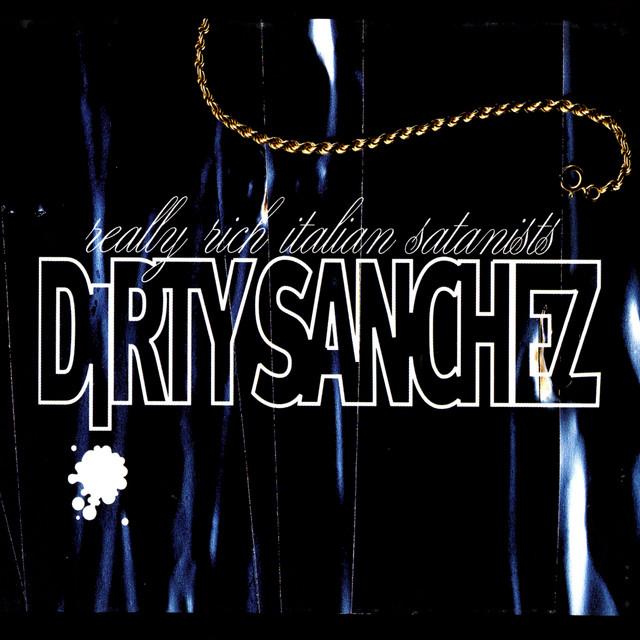
Dirty Sanchez’s Spotify BioThe world first caught a whiff of Dirty Sanchez on the 2002 electroclash comp Badd Inc. and the track "Replicunt." A pointy-headed and prurient piece of posturing electro, it spurred chatter about the Los Angeles trio in dance clubs without signs and high-end hair-dye shops throughout the N.Y.C. epicenter of the fleeting electroclash "movement." Who were they? Jackie Beat (aka actor/writer/drag performer Kent Fuher) and promoter Mario Diaz shared mouthpiece duties, while DJ Barbeau -- part of Miss Kitty's infamous fetish nights at Hollywood's Dragonfly club -- backed them up on the tables. Dirty Sanchez was really more of a performance act until early 2004, when Cleopatra finally issued the Really Rich Italian Satanists EP. It included the group's irresistibly crass, instantly dated classic "Fucking on the Dance Floor," as well as an NC-17 cover of the Soft Cell nugget "Sex Dwarf." ~ Johnny Loftus
Viberate is a music analytics platform built for A&Rs, artist managers, labels, booking agents, marketers, and artists.
It helps music professionals track artist growth, analyze audience data, monitor playlist activity, compare artists, follow song performance, and identify opportunities across the music market.
Public artist pages provide a free preview of selected artist data. Paid plans provide access to deeper analytics, historical data, charts, comparisons, playlist tools, exports, alerts, reports, and additional professional features.
Yes. Public Viberate artist pages provide selected artist analytics and music data for free.
Viberate also offers a 7-day free trial of the full platform. A credit card is required to start the trial. The trial includes access to the complete product so users can test deeper artist analytics, historical views, playlist insights, comparisons, charts, exports, alerts, and reporting features before choosing a paid plan.
Viberate provides artist analytics across streaming, playlists, social media, video, radio airplay, songs, and audience markets.
Users can analyze Spotify performance, Spotify and Apple Music playlists, YouTube activity, TikTok and Instagram growth, radio spins, song performance, audience locations, demographics, rankings, and overall artist momentum.
Artist profiles also connect to music charts, similar artists, and comparison tools, helping users benchmark performance and evaluate artists in context.
Viberate updates key artist and track data daily.
For followed artists and tracks, selected data is refreshed multiple times per day. This helps teams monitor playlist changes, streaming movement, audience growth, releases, and campaign performance with more current data.
Update frequency can vary depending on the metric and data source.
Yes. Viberate lets users compare up to five artists side by side across streaming, social media, audience, and engagement metrics.
Users can compare fanbase growth, audience demographics, locations, Spotify performance, social metrics, and other artist data over selected time periods.
Artist comparison can be used for A&R scouting, benchmarking, booking decisions, campaign planning, and evaluating artists with similar audiences or market positions.