Dirty Pretty Things

Rock
Indie Rock
Garage Rock
 Viberate Rank: 76885
 Viberate Rank: 76885
 Monthly ListenersFollowers
 Subscribers
 Followers
 Followers
 FansTop Spotify Songs
| Track | 7-Day Streams | |
|---|---|---|
1 | 69.03K | |
2 | 15.06K | |
3 | 9.12K | |
4 | 5.00K | |
5 | 4.30K |
Top YouTube VideosMonthly ListenersFeatured in Playlists| Playlist | Followers | |
|---|---|---|
1 |  Indie Rock Club Spotify | 1.36M |
2 |  Indie Klassiker Spotify | 337.96K |
3 |  god-blessed riffs Natalia P. | 147.36K |
4 |  The OC Soundtrack [All Seasons Playlist] Solitude Collective | 138.11K |
5 |  uk dad music 🍋 katherine🎧 | 87.59K |
Audience| City | Monthly Listeners | |
|---|---|---|
1 | | 9.70K |
2 | | 5.98K |
3 |  | 2.80K |
4 | | 2.68K |
5 | | 2.66K |
See full performance history, audience data, playlist activity, rankings, comparisons, and more in Viberate music analytics. Start with a free trial, then continue with a paid plan.
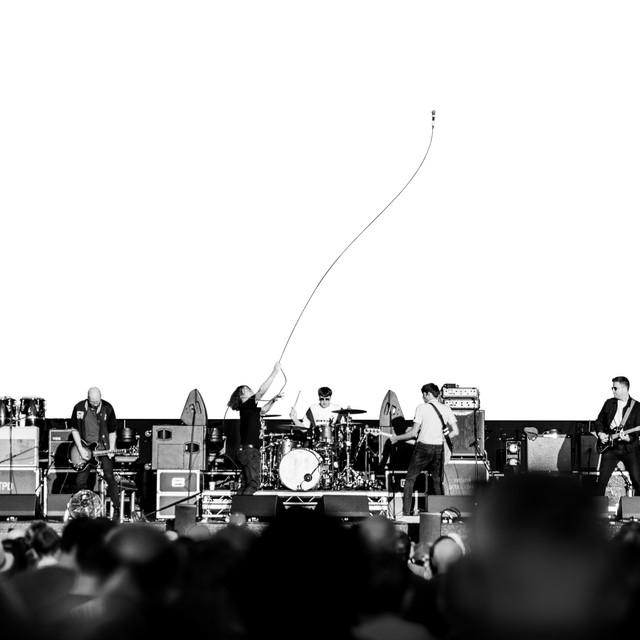
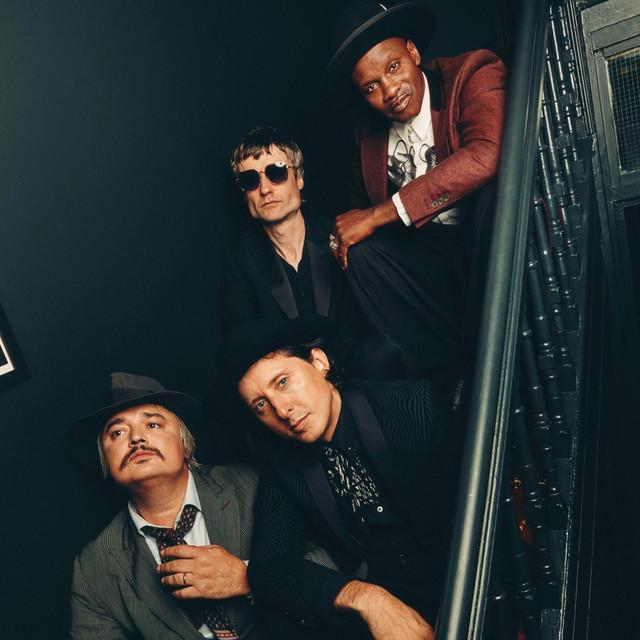
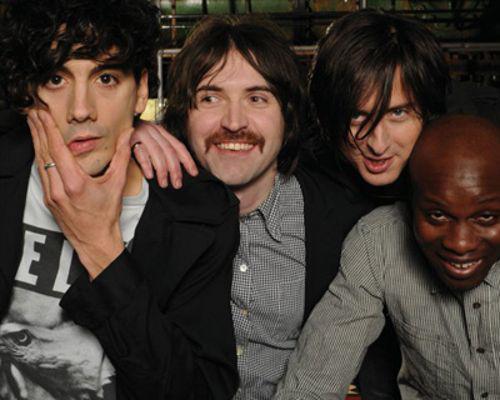
Dirty Pretty Things’ Spotify BioAfter the Libertines broke up in fall 2004, singer/songwriter and guitarist Carl Barat began work on his next musical project. Signing to the U.K. label Vertigo almost immediately after the band dissolved, Barat worked on songs on his own and eventually recruited his former bandmate Gary Powell as the drummer for his new group. He also brought in Anthony Rossomando -- who had been Pete Doherty's replacement in the Libertines when Doherty was arrested in summer 2004 -- as second guitarist. Bassist Didz Hammond left the Cooper Temple Clause to join Barat's project, which was christened Dirty Pretty Things after Barat's club night (which was later renamed Bright Young Things).
By fall 2005, Dirty Pretty Things' lineup was complete, and the band played its first gigs in Paris, France (where the Libertines also played their farewell show) and in Italy, crafting a sound that felt like a leaner, tighter version of the Libertines' freewheeling mod-punk. The band entered the studio that winter,… collaborating with Dave Sardy in Los Angeles and with Tony Doogan in Glasgow. Dirty Pretty Things came on strong in spring 2006, releasing their first track, "You Fucking Love It," as a free CD packaged with NME magazine and appearing at the South by Southwest festival. Their first official single, Bang Bang You're Dead, arrived a couple of weeks ahead of their debut album, Waterloo to Anywhere, which reached number three on the U.K. album charts.
Dirty Pretty Things kept up their prodigious touring schedule throughout that summer and released Waterloo to Anywhere in the U.S. in August 2006; Romance at Short Notice followed two years later. In December 2008 the band played its final gig. In 2009 Barat and Powell reunited with Pete Doherty at a tribute show for promoter Johnny Sedassy at the London Rhythm Factory, and a year later, the full band reunited for gigs at the Leeds and Reading festivals. Barat released his self-titled solo debut in October 2010. ~ Heather Phares, Rovi
Viberate is a music analytics platform built for A&Rs, artist managers, labels, booking agents, marketers, and artists.
It helps music professionals track artist growth, analyze audience data, monitor playlist activity, compare artists, follow song performance, and identify opportunities across the music market.
Public artist pages provide a free preview of selected artist data. Paid plans provide access to deeper analytics, historical data, charts, comparisons, playlist tools, exports, alerts, reports, and additional professional features.
Yes. Public Viberate artist pages provide selected artist analytics and music data for free.
Viberate also offers a 7-day free trial of the full platform. A credit card is required to start the trial. The trial includes access to the complete product so users can test deeper artist analytics, historical views, playlist insights, comparisons, charts, exports, alerts, and reporting features before choosing a paid plan.
Viberate provides artist analytics across streaming, playlists, social media, video, radio airplay, songs, and audience markets.
Users can analyze Spotify performance, Spotify and Apple Music playlists, YouTube activity, TikTok and Instagram growth, radio spins, song performance, audience locations, demographics, rankings, and overall artist momentum.
Artist profiles also connect to music charts, similar artists, and comparison tools, helping users benchmark performance and evaluate artists in context.
Viberate updates key artist and track data daily.
For followed artists and tracks, selected data is refreshed multiple times per day. This helps teams monitor playlist changes, streaming movement, audience growth, releases, and campaign performance with more current data.
Update frequency can vary depending on the metric and data source.
Yes. Viberate lets users compare up to five artists side by side across streaming, social media, audience, and engagement metrics.
Users can compare fanbase growth, audience demographics, locations, Spotify performance, social metrics, and other artist data over selected time periods.
Artist comparison can be used for A&R scouting, benchmarking, booking decisions, campaign planning, and evaluating artists with similar audiences or market positions.